

Legal advances in the therapeutic use of psychedelic mushrooms
For decades, psychedelic mushrooms were associated exclusively with recreational or countercultural contexts. However, in recent years a significant shift has occurred: psilocybin, their main active compound, is now being seriously evaluated as a therapeutic tool for various mental health disorders.
This change is not only scientific, but also legal and regulatory. Globally, several countries and regions have begun to modify laws, create pilot programs, and authorize clinical research that opens the door to controlled therapeutic use.
From prohibited substance to medical research focus
Most countries historically classified psilocybin as a substance with no medical value and high abuse potential. This classification hindered scientific research for decades.
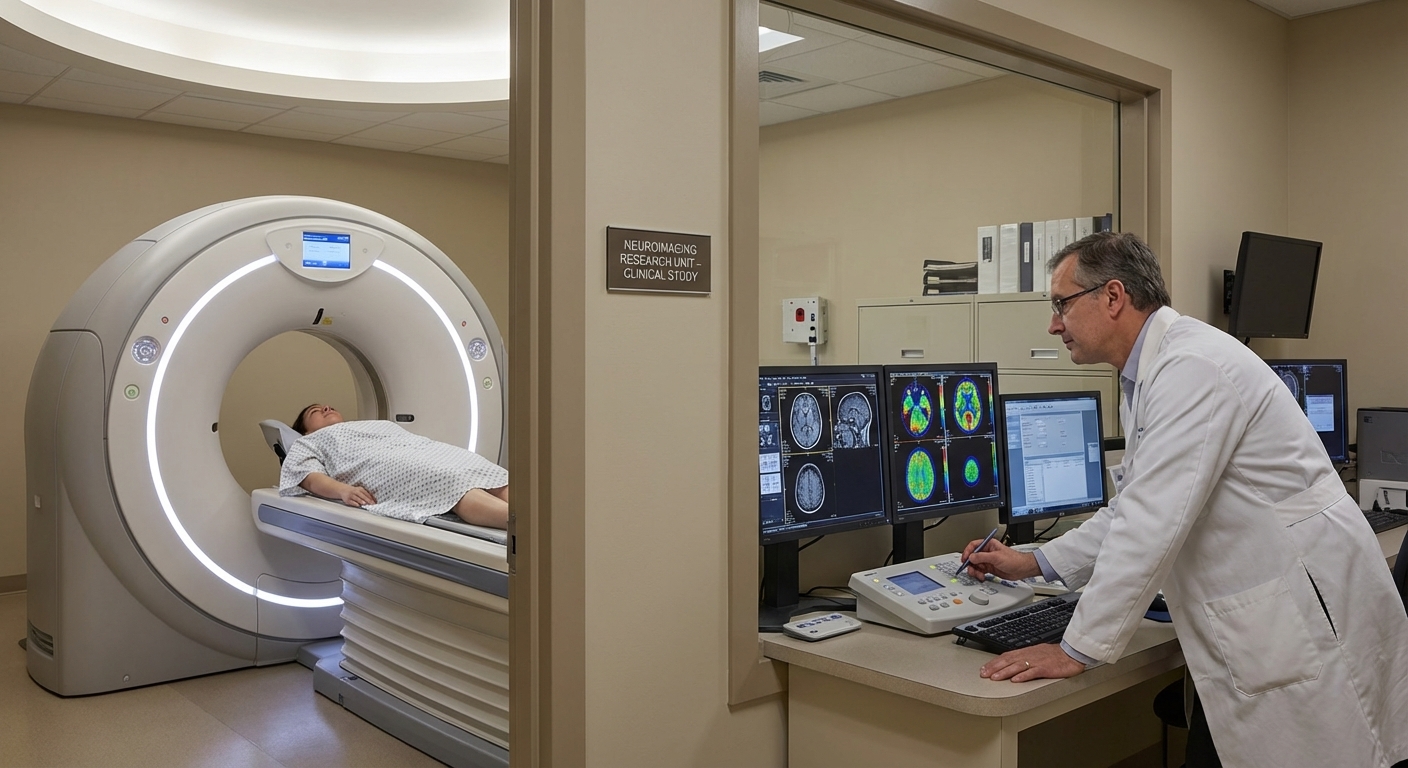
The shift began when universities and medical centers demonstrated, under strict protocols, that psilocybin could be administered safely in clinical contexts, with promising results for treatment-resistant depression, anxiety associated with terminal illness, and post-traumatic stress disorder.
Psilocybin, when administered in a controlled therapeutic setting, shows safety and efficacy profiles that strongly justify regulatory reevaluation.
Regulatory advances across different regions of the world
Although there is no uniform global legalization, a clear trend is emerging: greater regulatory flexibility for research and assisted therapy.
| Region | Current legal status | Therapeutic scope |
|---|---|---|
| United States | Local decriminalization and state therapeutic programs | Supervised assisted therapy in states such as Oregon and Colorado |
| Europe | Authorization for clinical research | Advanced clinical trials in the United Kingdom, Germany, and the Netherlands |
| Canada | Controlled medical exemptions | Compassionate use for patients with serious illnesses |
| Latin America | Restrictive framework with cultural exceptions | Limited research and emerging regulatory debate |
The role of science in legal change
A key element in these advances has been the quality of scientific evidence. Controlled studies, systematic reviews, and ethical protocols have enabled regulators to assess risks and benefits more objectively.
In particular, psilocybin-assisted therapy is not framed as a conventional pharmacological treatment, but rather as an integrated process combining psychological preparation, professional guidance, and post-session follow-up.
This is not just about a substance, but about a complete therapeutic model that requires regulation, training, and responsibility.

Current limitations and legal precautions
Despite progress, it is important to emphasize that psilocybin is not freely accessible in most countries. Its use outside legal and clinical contexts remains illegal and potentially risky.
Current regulatory frameworks aim to prevent trivialization of treatment by establishing strict requirements for professional training, compound traceability, and patient protection.
Conclusion: an ongoing regulatory shift
The therapeutic use of psychedelic mushrooms is in a phase of historic transition. While not reaching full legalization, the world is witnessing a move toward regulated, scientific, and ethically supervised models.
For applied mycology, biotechnology, and mental health, these advances represent a significant opportunity—provided a responsible, evidence-based, and legally compliant approach is maintained.