
Do You Know Why Pigs Are So Commonly Used to Find Truffles?
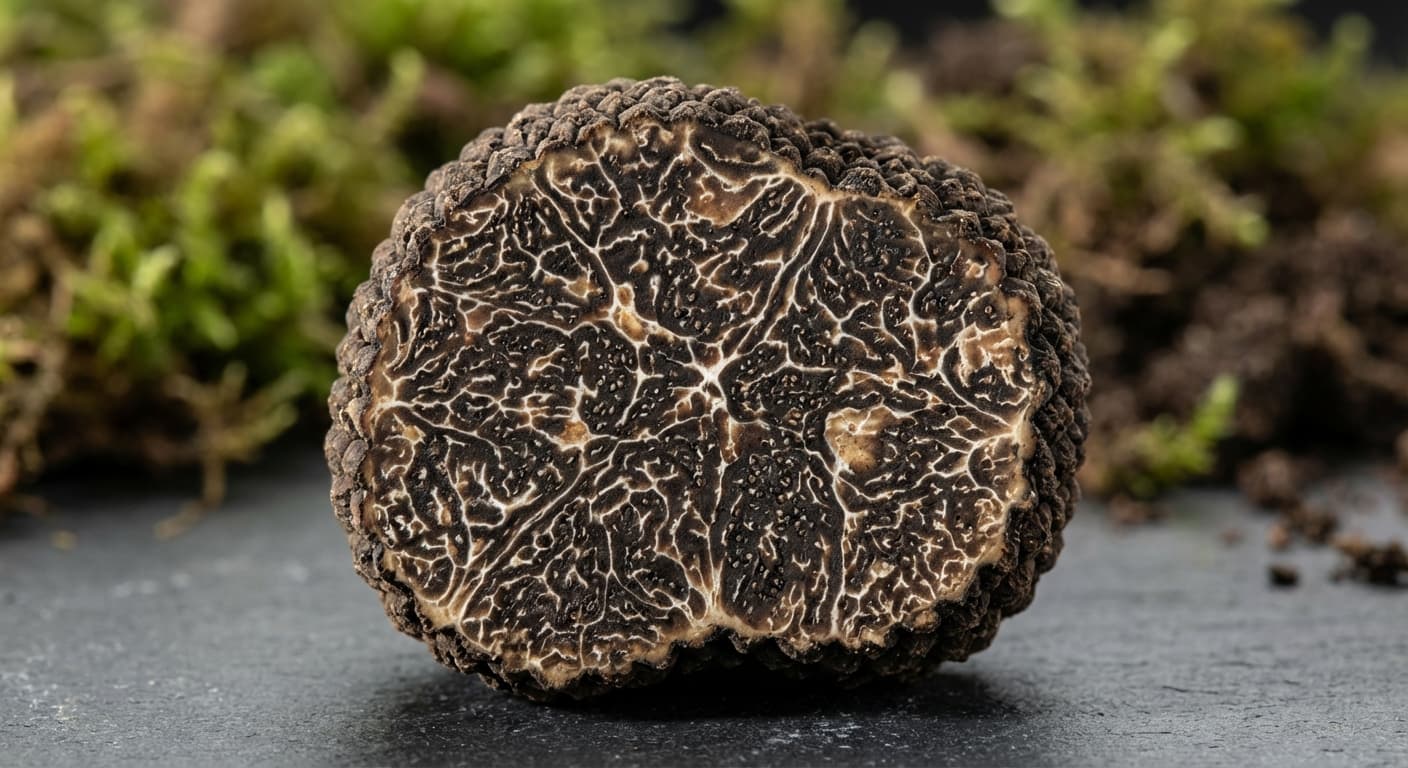
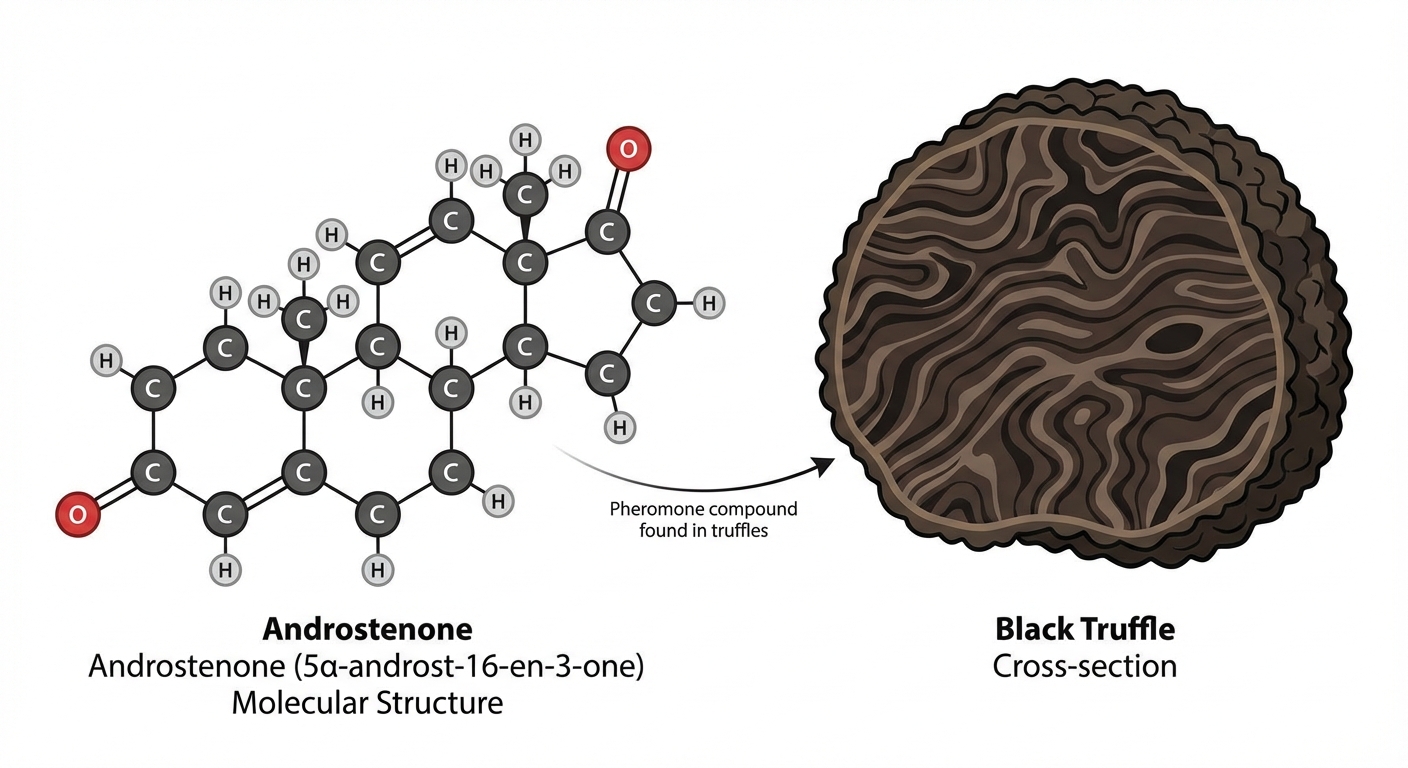
The relationship between truffles and pigs is one of the most fascinating examples of how fungal volatile compounds can directly influence animal behavior. Truffles, the underground fruiting bodies of ectomycorrhizal fungi, emit a complex blend of aromatic molecules. Among these compounds is one particularly notable chemical: androstenone, a steroid associated with sexual pheromones in pigs. This molecule explains why pigs were historically the truffle hunters of choice.
The Role of Volatile Compounds in Truffle Biology
Truffles rely on animals for spore dispersal because they fruit below the surface. Unlike mushrooms that release spores into the air, truffles must attract organisms capable of digging them up, consuming them, and dispersing their spores. To achieve this, they have evolved the ability to produce strong aromas, often described as earthy, musky, and slightly sweet.
Among their most important aromatic components are volatile alcohols, sulfides, aldehydes, and ketones. However, one of the most relevant for this story is the volatile form of androstenone.
What Is Androstenone and Why Does It Attract Pigs?
Androstenone is a pheromone found in male pigs. When a sow is in heat, this substance helps trigger sexual receptivity. Some truffle species—especially Tuber melanosporum (the Périgord black truffle)—produce a volatile version of this compound in concentrations detectable by pigs.
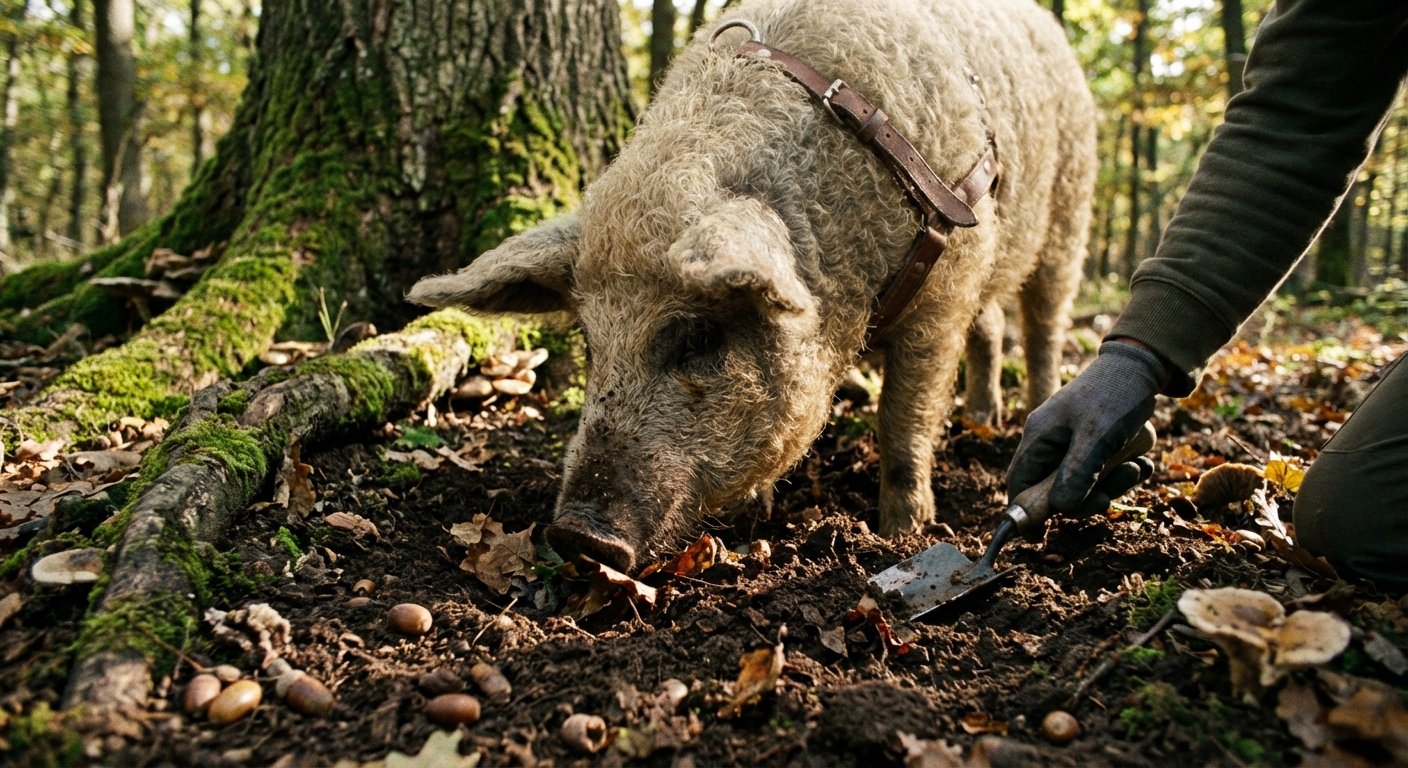
This means that, from an olfactory perspective, a mature truffle may smell to a pig similar to a sexually active male. Historically, female pigs were used for truffle hunting because they reacted strongly to this chemical signal.
An Extremely Effective Evolutionary Adaptation
It is believed that this chemical resemblance is not accidental. Truffles that could attract animals capable of deep digging had a higher probability of spore dispersal. Over time, species producing more attractive volatile blends gained a selective advantage. Pigs, wild boars, and other ungulates became key dispersers in many European ecosystems.
Why Dogs Are Now Used More Often Than Pigs
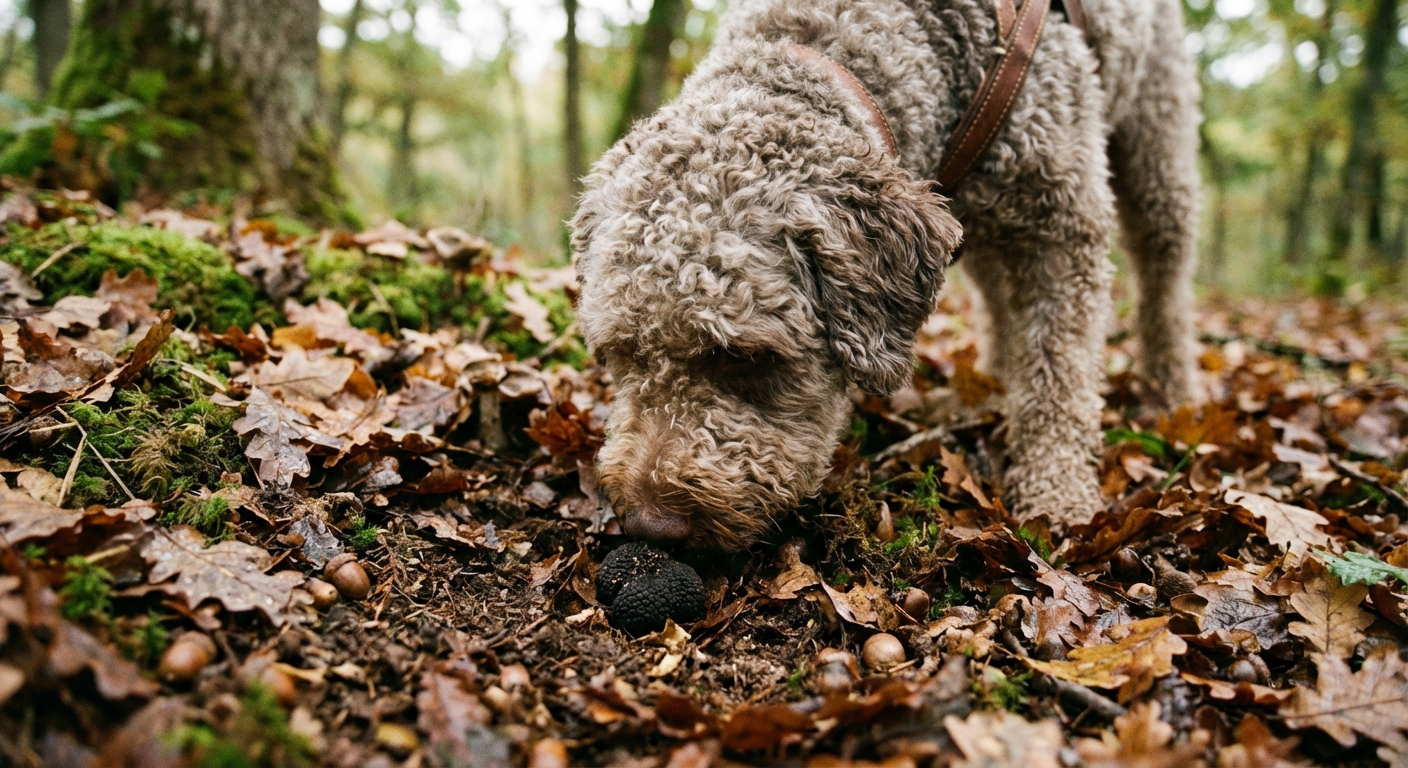
Although pigs naturally detect truffles with impressive precision, dogs have become the more common truffle hunters today. The primary reason is practical: pigs tend to eat the truffles as soon as they find them, while dogs can be trained to avoid doing so.
Additionally, dogs show much lower innate attraction to androstenone. Their detection behavior depends mainly on training, giving hunters better control during harvest.
Other Animals That Can Detect Truffles
In natural ecosystems, several species have evolved the ability to detect truffle odors. Documented examples include:
- Rodents such as squirrels and mice
- Marsupials like potoroos in Australia
- Deer and wild boars
- Insects associated with host tree roots
This demonstrates that truffle aroma is an ecological mechanism designed to attract multiple potential dispersers.
Conclusion: A Story of Chemistry, Ecology, and Tradition
Truffles were producing their aromas millions of years before humans appeared. Their production of volatile compounds like androstenone was not designed for us, but rather to attract mammals capable of digging them up. Pigs turned out to be the perfect animal for humans to exploit this evolutionary adaptation.
Modern science has provided a clearer understanding of this relationship, confirming that chemistry is the bridge connecting a subterranean fungus with one of the most olfactory-sensitive domestic animals.