Mycotourism: why traveling to forage mushrooms is a growing global tradition
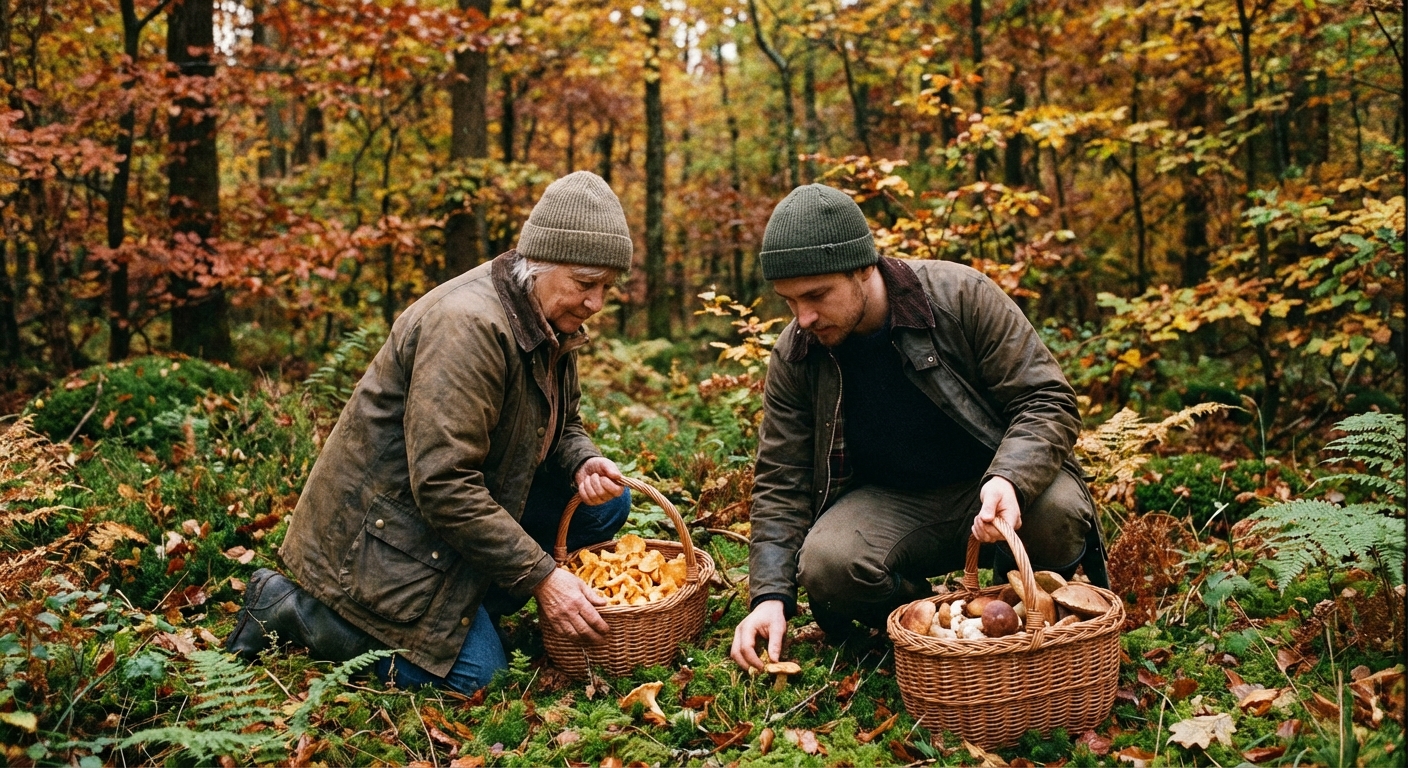
Mycotourism, also known as mushroom tourism, refers to traveling with the purpose of searching for, collecting, or studying wild mushrooms. Although it has recently gained visibility through social media and specialized tours, the activity has existed for thousands of years. For many cultures, mushroom foraging is a family tradition, a way to connect with the land, and a source of seasonal, fresh food.
This guide explains why mycotourism is so popular, where it is practiced, which species are most commonly sought after, and what safety measures you must follow when collecting wild mushrooms.
What exactly is mycotourism?
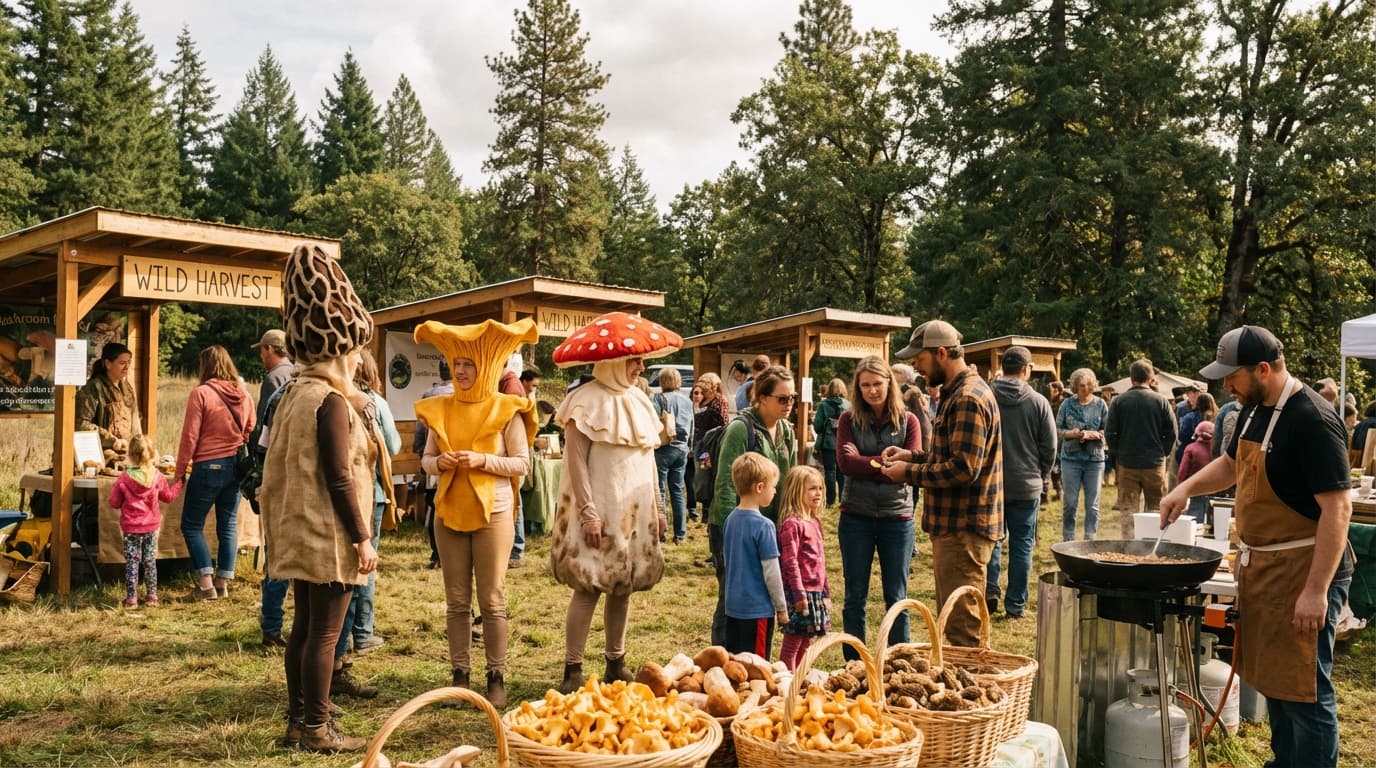
Mycotourism refers to any travel activity motivated by wild fungi. It may include recreational foraging, mycological hikes, identification workshops, gastronomic events, seasonal festivals, or guided tours led by local experts.
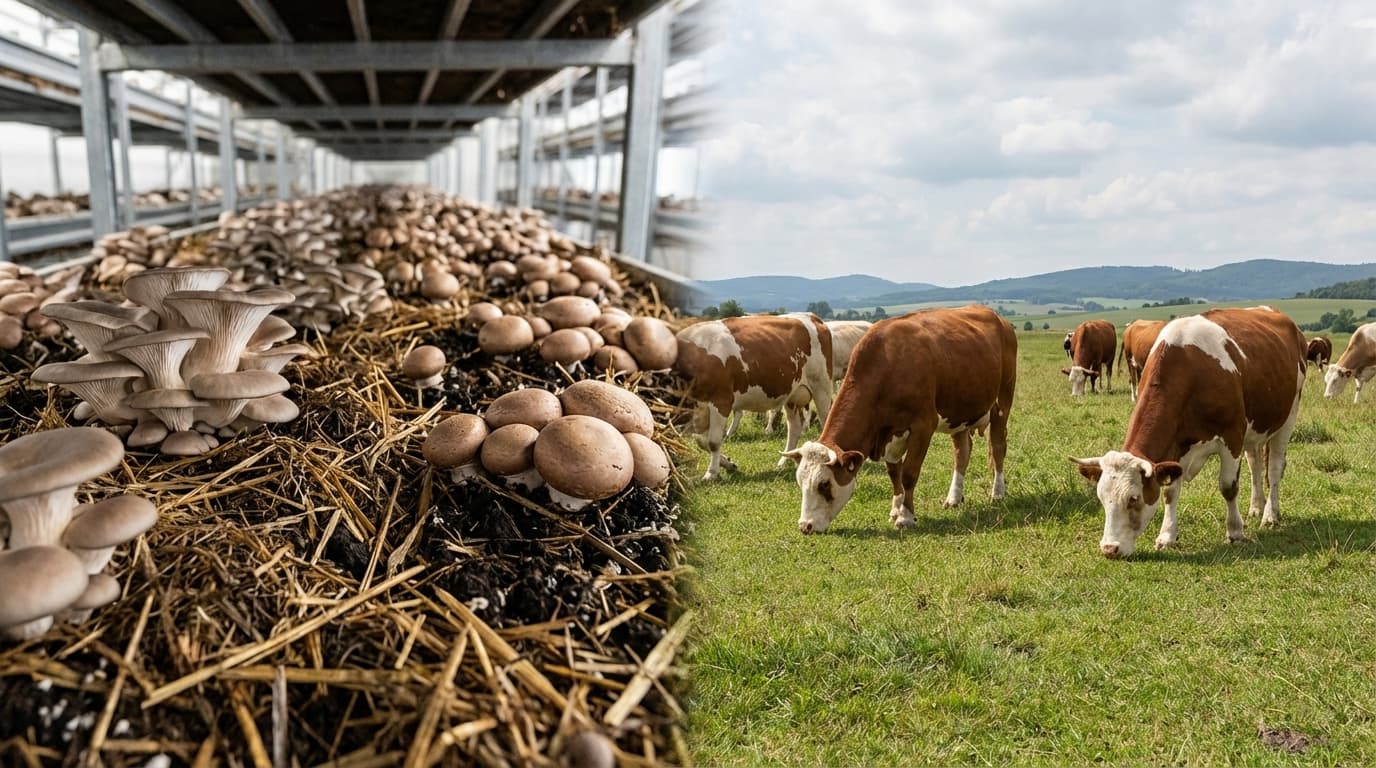
Unlike mushroom cultivation, which takes place in controlled environments, mycotourism happens directly within forests, where fungal biodiversity is far richer. For many participants, the experience is both educational and sensory: walking, observing, identifying, harvesting, and finally cooking.
Why mycotourism is so popular
Mycotourism combines multiple attractive elements: nature, gastronomy, cultural tradition, and adventure. In recent years, it has grown alongside interest in local cuisine, hiking, and sustainable foraging. A greater appreciation for the ecological role of fungi has also contributed.
- It fosters a connection with local ecosystems and seasonal cycles.
- It offers a unique gastronomic experience: cooking what you forage.
- It is a long-standing family tradition in many regions of Europe, Asia, and the Americas.
- It supports rural tourism and local economies.
- It promotes ecological education and forest conservation.
Mycophile vs. mycophobic cultures
Some societies have a deeply positive relationship with mushrooms (called mycophile): Japan, China, Korea, Mexico, Russia, Italy, and Poland. In these regions, knowledge about edible and toxic mushrooms is passed down through generations. In contrast, historically mycophobic countries such as the United Kingdom, Australia, or parts of the United States have shown distrust toward wild mushrooms, though this is changing thanks to modern mycotourism.
Where mycotourism is practiced
Although mushrooms grow in almost every ecosystem, certain regions are known for their abundance, tradition, and fungal diversity. These areas have developed routes, festivals, and specialized services for visitors during mushroom season.
| Region | Country | Highlighted species |
|---|---|---|
| Soria and Castile and León | Spain | Boletus edulis, saffron milk caps, chanterelles |
| The Alps and Dolomites | Italy | Porcini, edible amanitas, black trumpets |
| Hokkaido | Japan | Matsutake, nameko, wild shiitake |
| Oaxaca and Michoacán | Mexico | Rain mushrooms, blue mushrooms, escobetas |
| Pacific Northwest | United States | Morels, chanterelles, matsutake |
How to identify mushrooms responsibly
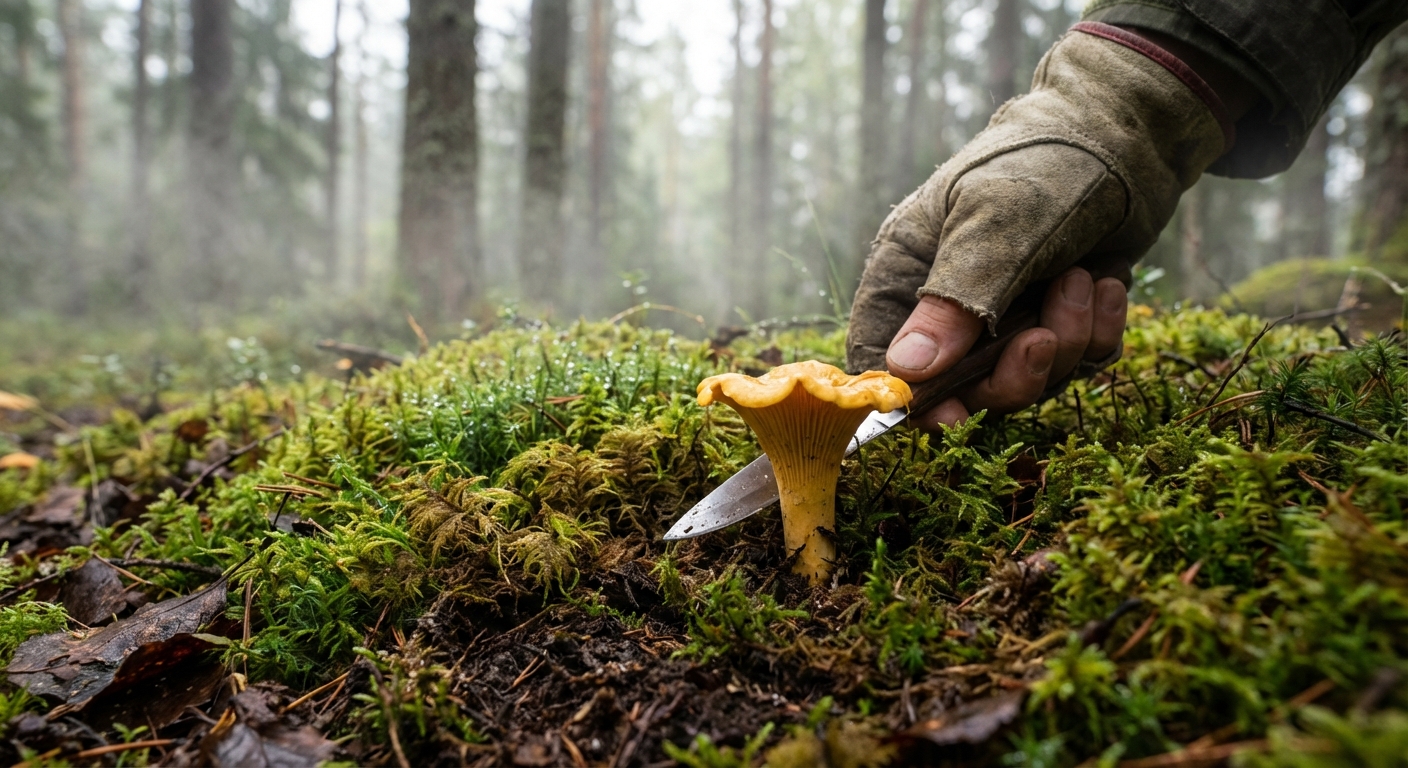
Identifying wild mushrooms takes time and practice. There is no universal method to distinguish edible from toxic mushrooms without experience. That is why most countries recommend learning from experts or joining guided outings.
Basic identification principles
- Observe the cap, gills or pores, stipe, texture, and smell.
- Check the habitat: tree species, altitude, humidity, and time of year.
- Use reliable field guides or identification apps with taxonomic keys.
- Take photos from multiple angles to document features.
- Never consume a mushroom without expert confirmation.
Most sought-after species in mycotourism
While fungal diversity is vast, certain species stand out for their culinary value, aroma, or seasonal availability. These are the main targets for mushroom foragers.
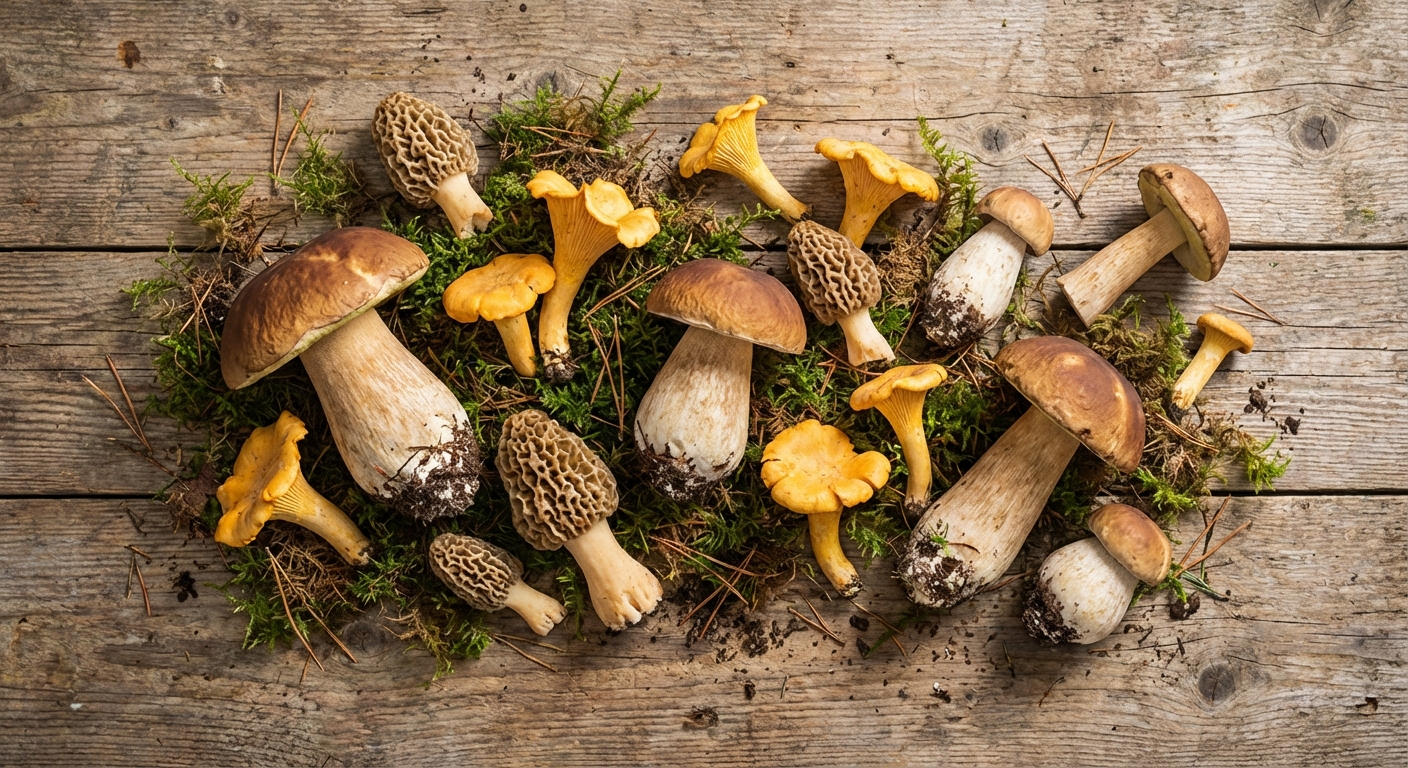
- Boletus edulis (porcini or king bolete): intense, meaty flavor.
- Cantharellus cibarius (chanterelle): fruity aroma, easy to identify.
- Matsutake (Tricholoma matsutake): highly prized in Asia.
- Morchella spp. (morels): valued for their texture and aroma.
- Lactarius deliciosus (saffron milk cap): traditional in Spain and Mexico.
Safety in mushroom foraging: what you must never do
Mycotourism is safe when practiced responsibly, but mistakes can have serious consequences. The toxicity of some mushrooms cannot be detected by smell, color, or taste. This is why international guidelines emphasize basic rules to avoid poisonings.
- Do not collect mushrooms that are old, damaged, or parasitized.
- Do not mix unknown mushrooms with edible ones.
- Do not rely on myths such as “if animals eat it, it is safe for humans”.
- Do not eat any wild mushroom raw.
- Do not rely solely on internet photos for identification.
Ecological impact and sustainable foraging
Well-practiced mycotourism encourages respect for forests. Most experts agree that moderate mushroom harvesting does not damage the mycelium, since mushrooms are only the fruiting bodies—similar to picking apples from a tree. However, improper techniques can affect natural regeneration.
- Cut mushrooms instead of pulling them in fragile ecosystems.
- Avoid stepping on mycelial zones or disturbing the forest floor excessively.
- Do not collect more than you need.
- Respect protected areas and local regulations.
- Join forest education programs when available.
Conclusion
Mycotourism is a doorway into nature, local gastronomy, and cultural tradition. Whether in European forests, Mexican mountains, or temperate North American woods, the practice connects people with seasonal rhythms and fungal biodiversity. With basic knowledge, environmental respect, and proper safety measures, mushroom foraging becomes a rewarding and sustainable activity.