Not edible. Tough or woody; used as tea or extract. Never eat a wild mushroom identified only from photos.
- Season in Mexico
- HabitatLeaf litter and wood
- FamilyPhallaceae
How do you identify devil's fingers?
- Young egg
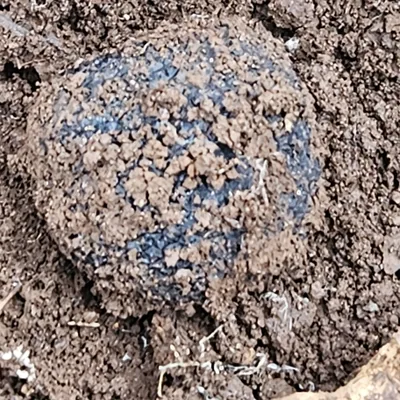
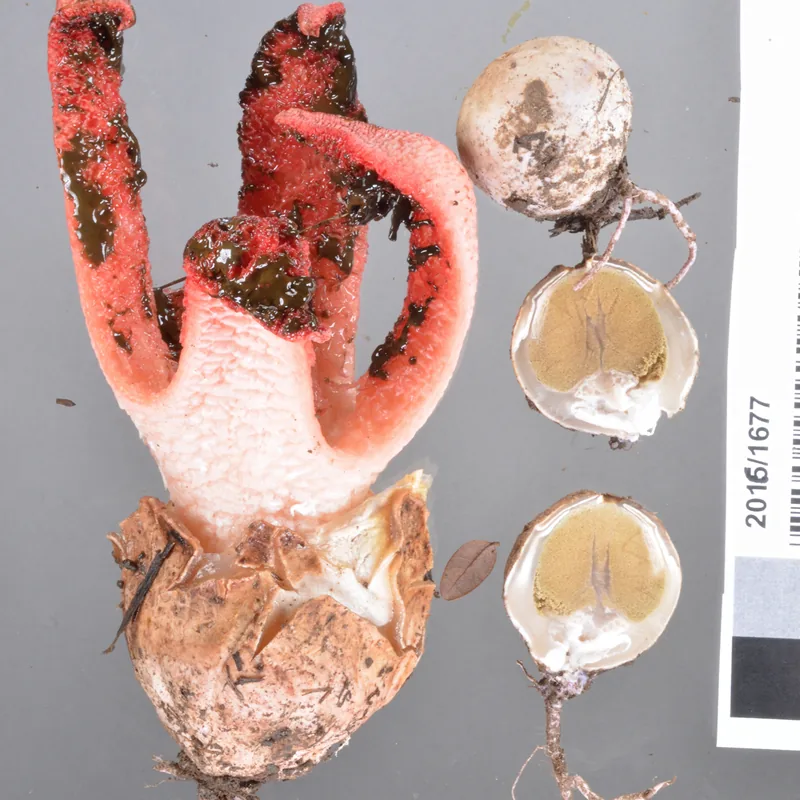
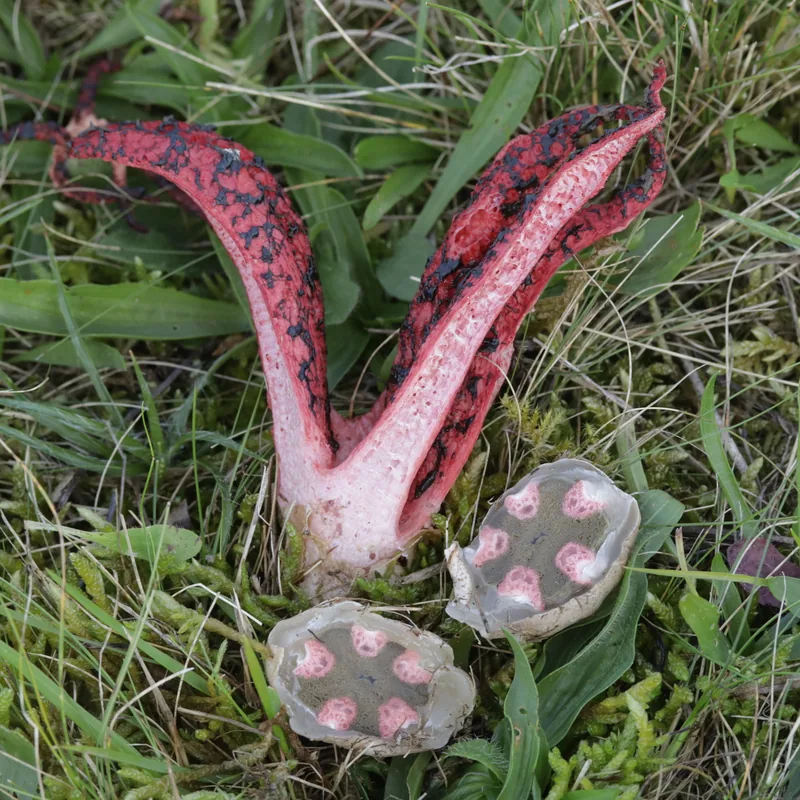
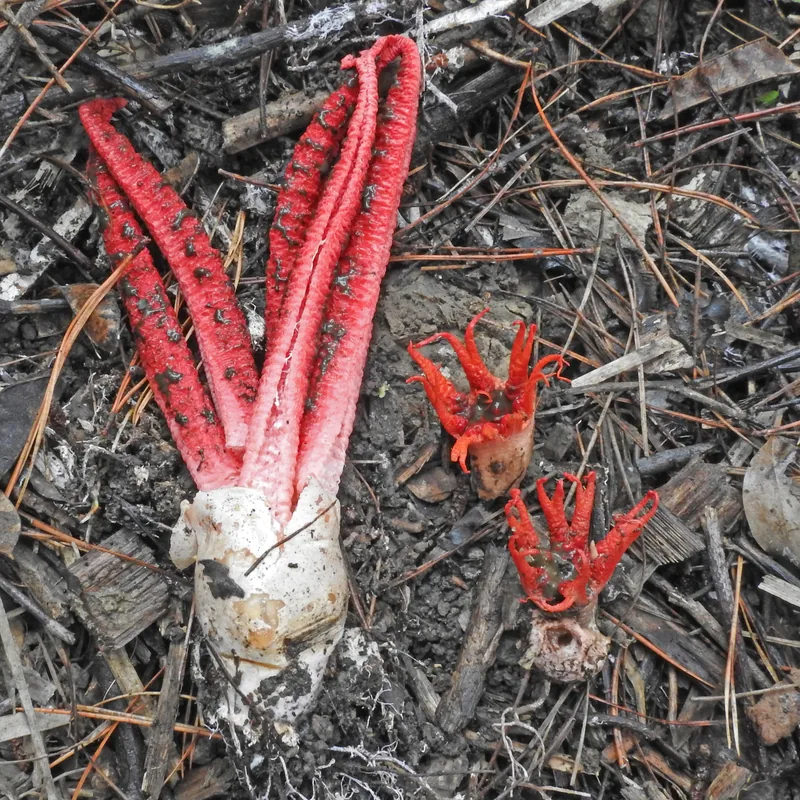
- It begins as a whitish egg up to about 5 cm high and 4 cm wide.[1]
- Mature size
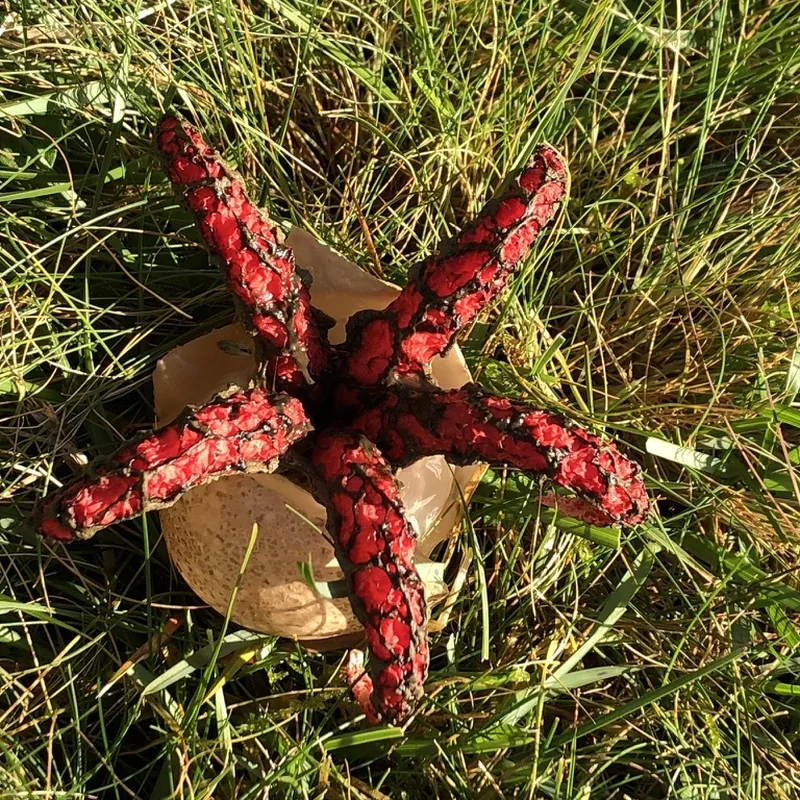
- The fruiting body is 8–17 cm high and 3–5 cm wide at the base.[1]
- Arms
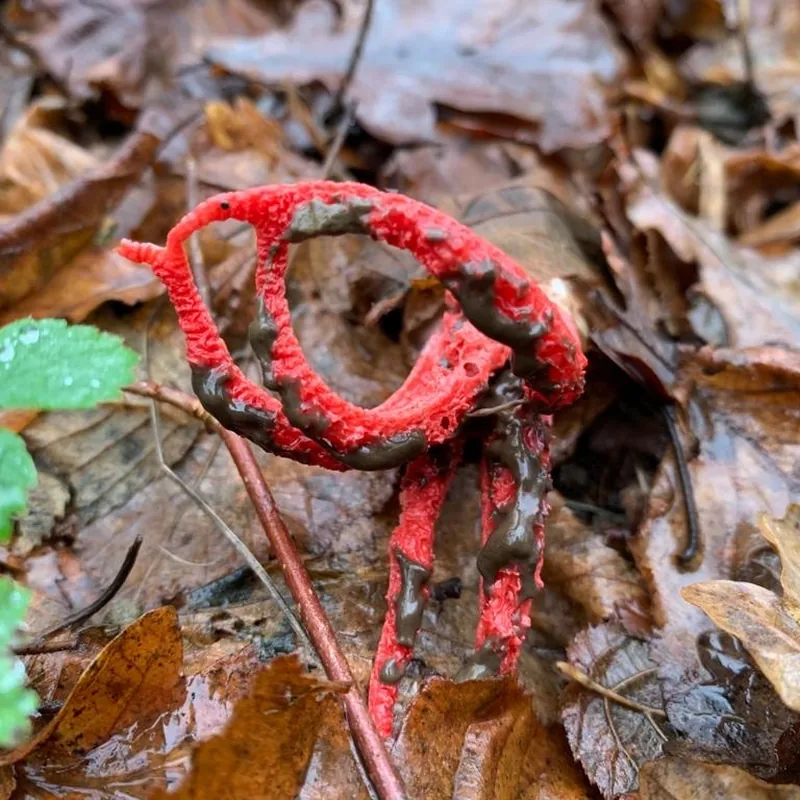
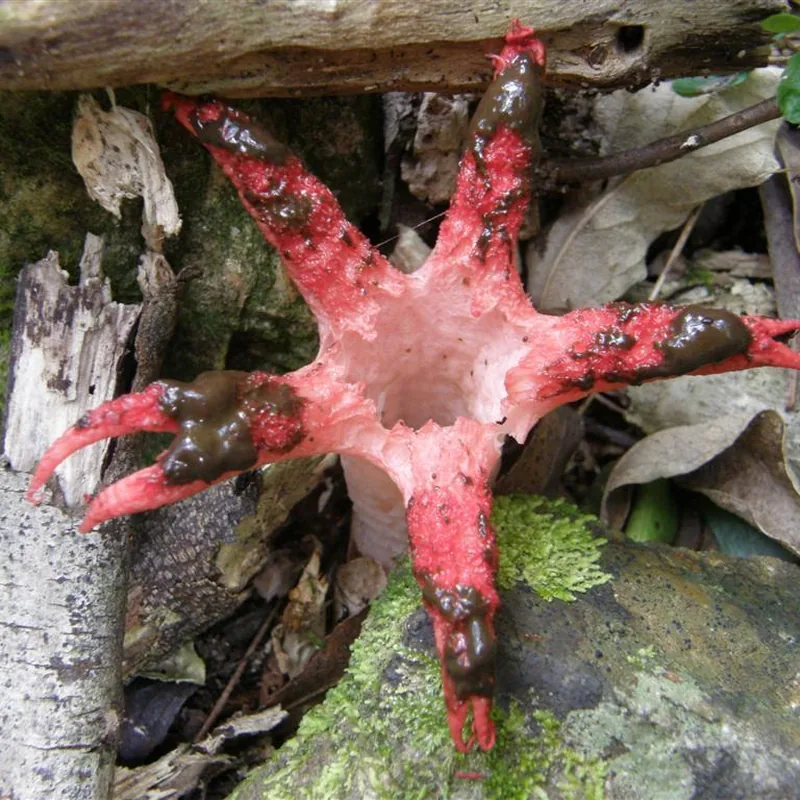
- It forms 4–7 arms, 3–12 cm long, with red inner surfaces and slightly paler outer surfaces.[1]
- Texture
- The arms are hollow, spongy and finely pitted.[1]
- Gleba
- The spore-bearing slime coats the inner surfaces of the arms and is dark brown to nearly black.[1]
- Volva
- A whitish, sack-like volva surrounds the base.[1]
Can you eat devil's fingers?
It is considered inedible because of its unpleasant smell and taste. Do not eat it, including the egg stage.[4]
Where and when does devil's fingers grow?
It is saprobic: it breaks down dead organic matter. It fruits on wood debris, mulch and forest litter in woodlands, gardens, orchards, old cemeteries and meadows.[3]
It can fruit nearly year-round, depending on climate. Fruiting months in Mexico remain unconfirmed by the sources consulted.[1]
It is documented in Australia, New Zealand, Africa, Europe, Asia, North America and South America. Mexican states remain unconfirmed by the sources consulted.[1][3]
About the name
Clathrus archeri is the combination Dring published in 1980. Lysurus archeri is its original name; Anthurus archeri is also listed as a synonym.[9][1]