What does Black Mold (Aspergillus) look like?
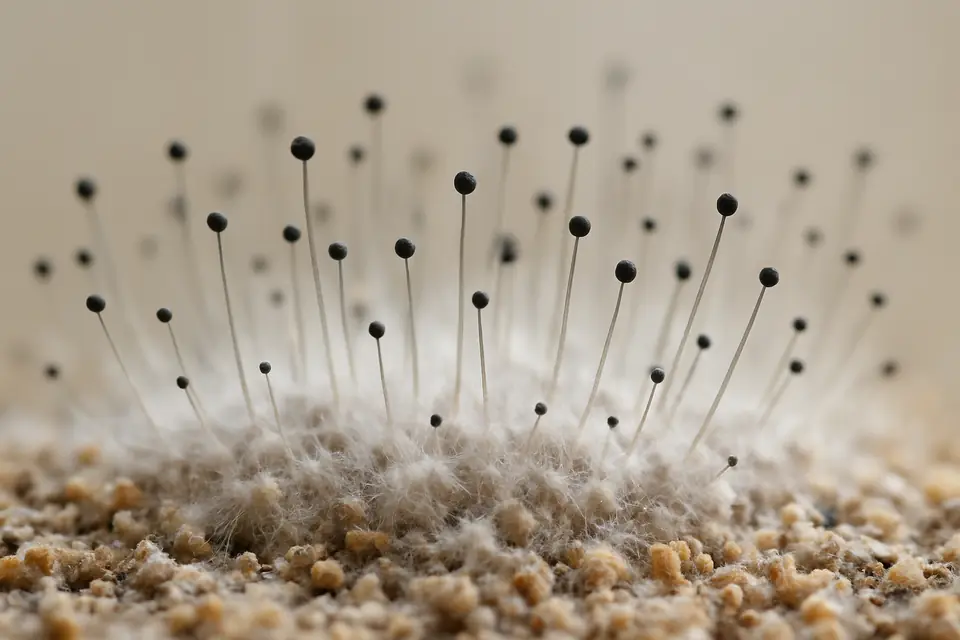
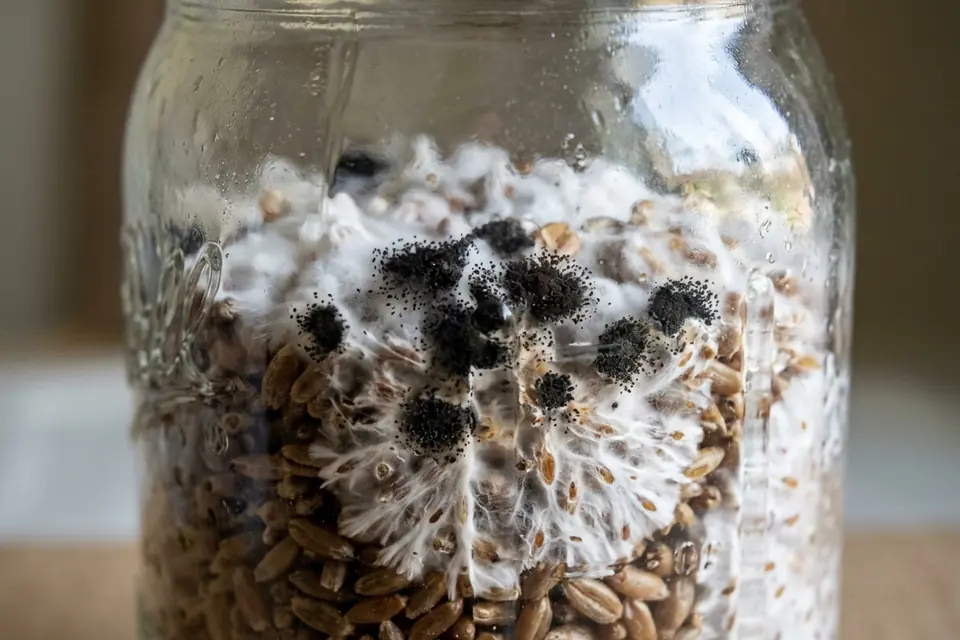
Dark black or dark brown powdery colonies. Initially may appear white before sporulation turns them black. Often found in circular patches.
- Color
- Black
- Texture
- Powdery, dusty
- Smell
- Musty, earthy
- Growth speed
- Fast
Why does Black Mold (Aspergillus) show up?
Inadequate sterilization, contaminated air, dirty equipment, working in dusty environments.
What do I do if I find Black Mold (Aspergillus) in my grow?
- WEAR A RESPIRATOR when handling.
- Do not open containers indoors.
- Dispose of entire batch sealed in plastic bag.
- Disinfect growing area thoroughly with bleach solution.
- Wait at least 48 hours before restarting.
How do I prevent Black Mold (Aspergillus)?
- Use proper sterilization techniques.
- Wear respiratory protection when handling suspect materials.
- Maintain clean air in growing environment.
- HEPA filtration recommended.
At which stage does Black Mold (Aspergillus) appear?
| Stage | Risk | What happens | How to prevent it |
|---|---|---|---|
| Preparation | Moderate | Present in unsterilized grain and substrate. | Sterilize all materials properly. Use pressure cooker at 15 PSI for adequate time. |
| Inoculation | Moderate | Airborne spores can land on substrate during inoculation. | Use laminar flow hood or still air box. Work quickly and cleanly. |
| Colonization | High | Black patches develop on poorly sterilized substrate. | Check jars/bags daily. Isolate any suspect containers immediately. |
| Fruiting | Low | Uncommon at this stage if colonization was clean. | Maintain clean air circulation. |
| Harvest | Low | Rare at harvest stage. | Keep harvesting tools clean. |
Updated: February 24, 2026
This guide is for orientation. A reliable diagnosis needs a lab. If in doubt, ask an experienced mycologist.