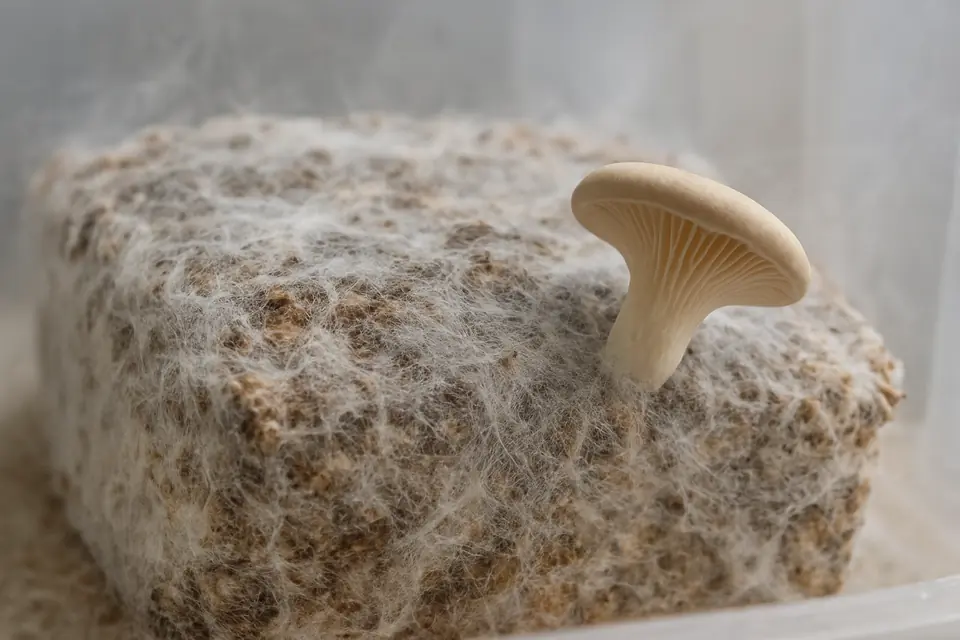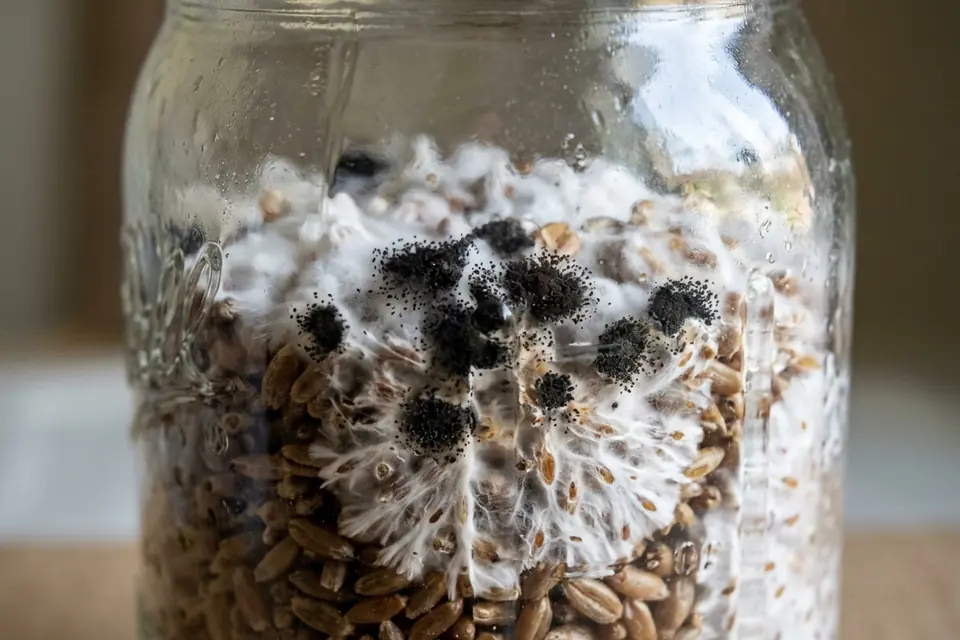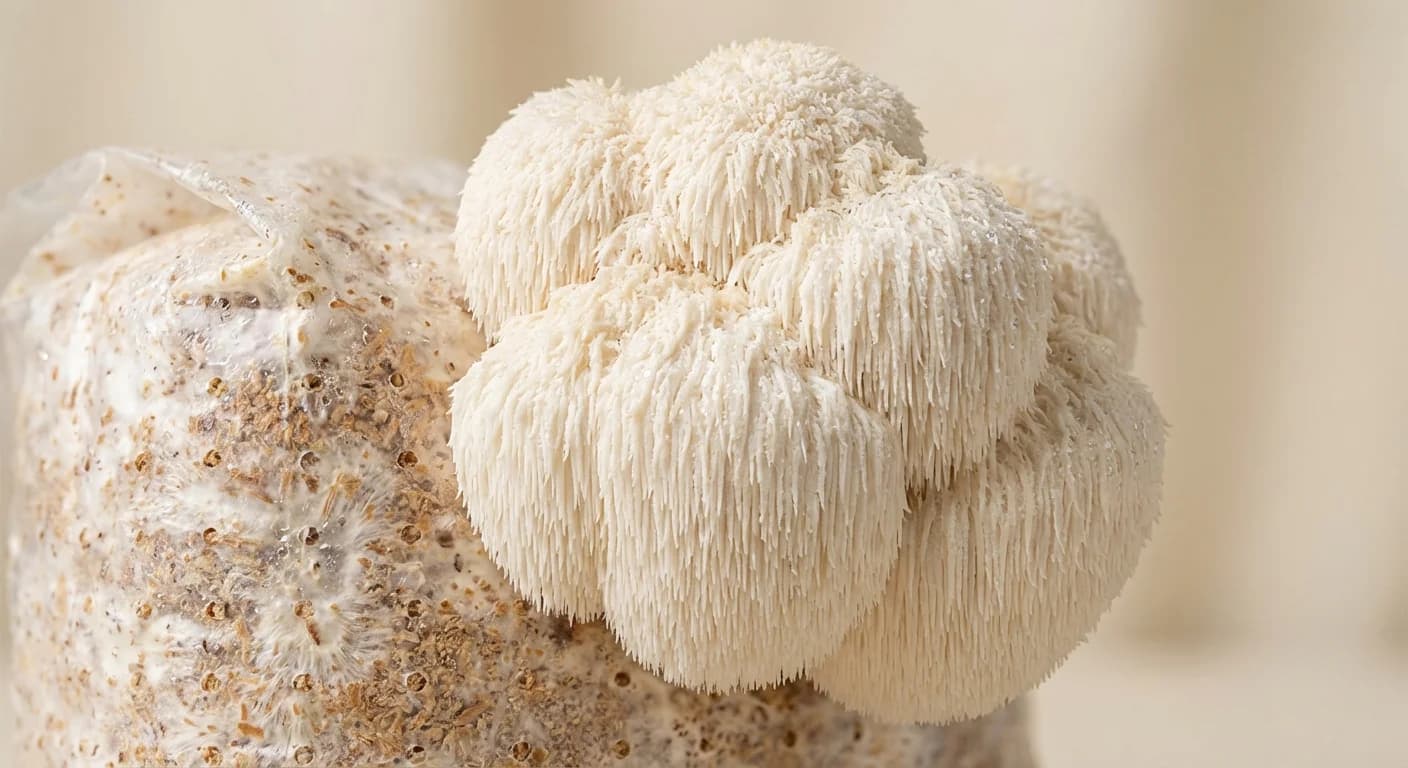
What does Blue-Green Mold (Penicillium) look like?
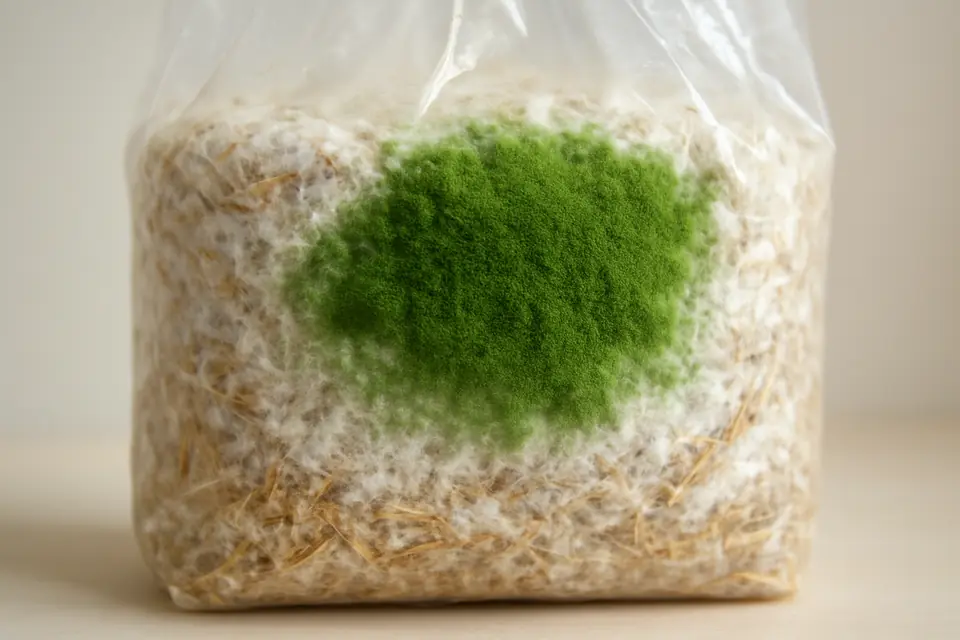
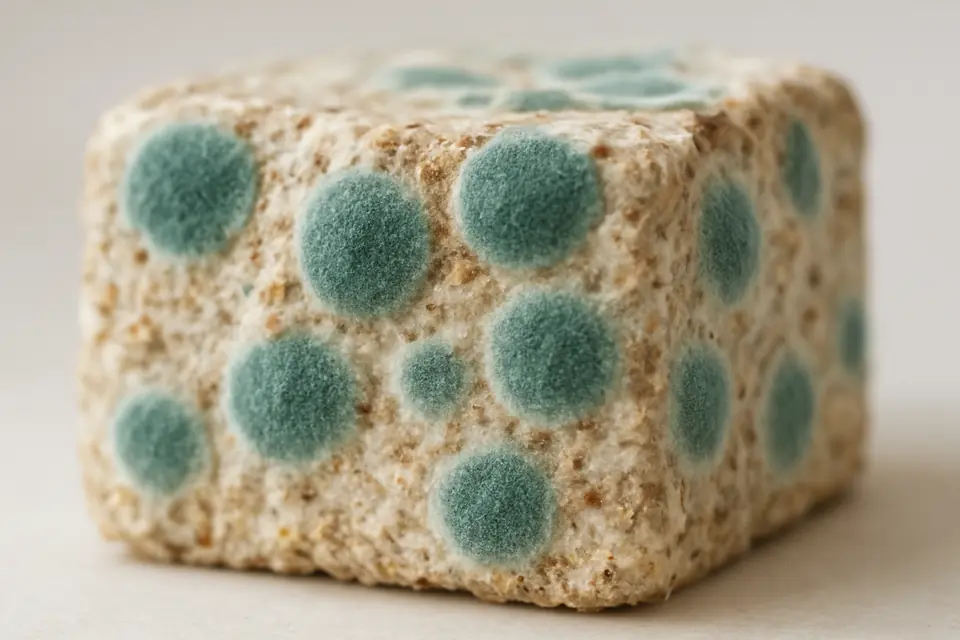
Blue-green to dark green powdery patches. Often appears in circular colonies. Spores dust off easily when disturbed.
- Color
- Blue
- Texture
- Powdery, dusty
- Smell
- Musty, earthy
- Growth speed
- Moderate
Why does Blue-Green Mold (Penicillium) show up?
Ubiquitous in the environment. Enters through poor sterile technique, contaminated air, or inadequate substrate treatment.
What do I do if I find Blue-Green Mold (Penicillium) in my grow?
- Remove and discard affected substrate.
- Do not try to salvage — the mold has likely spread further than visible.
- Clean the area and improve sterilization protocols.
How do I prevent Blue-Green Mold (Penicillium)?
- Proper sterilization and pasteurization.
- Clean working environment.
- Good air filtration.
- Use quality spawn.
At which stage does Blue-Green Mold (Penicillium) appear?
| Stage | Risk | What happens | How to prevent it |
|---|---|---|---|
| Preparation | Moderate | Present in most environments and raw materials. | Sterilize thoroughly. Work in clean environment. |
| Inoculation | Moderate | Common airborne contaminant during inoculation. | Use SAB or flow hood. Minimize exposure time. |
| Colonization | High | Competes with mushroom mycelium. Blue-green spots appear. | Keep colonization area clean. Monitor daily. |
| Fruiting | Low | Less common during fruiting with proper FAE. | Good air exchange reduces risk. |
| Harvest | Low | May appear on spent substrate. | Harvest promptly. Remove spent blocks. |
Updated: February 24, 2026
This guide is for orientation. A reliable diagnosis needs a lab. If in doubt, ask an experienced mycologist.