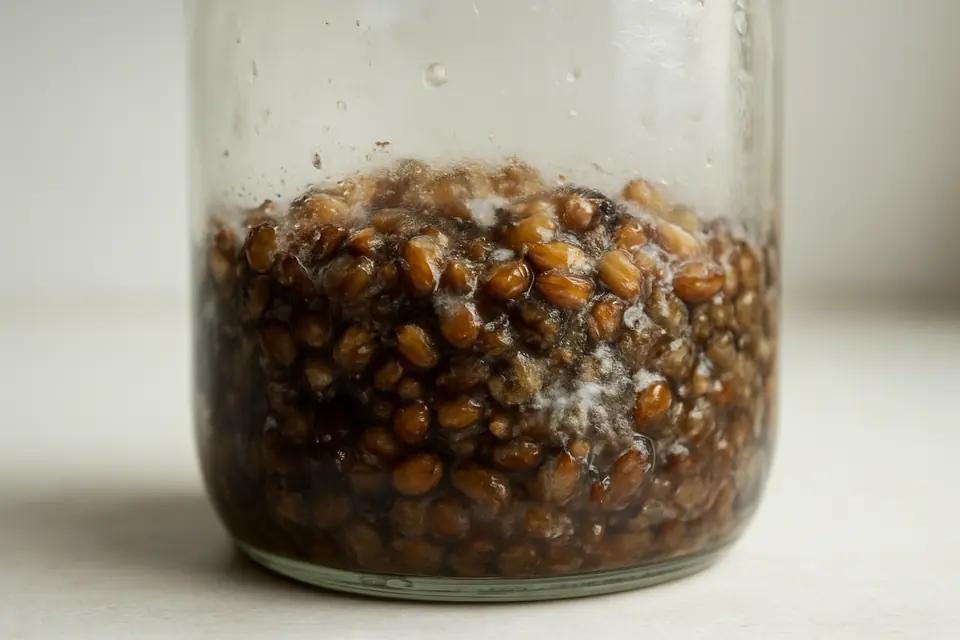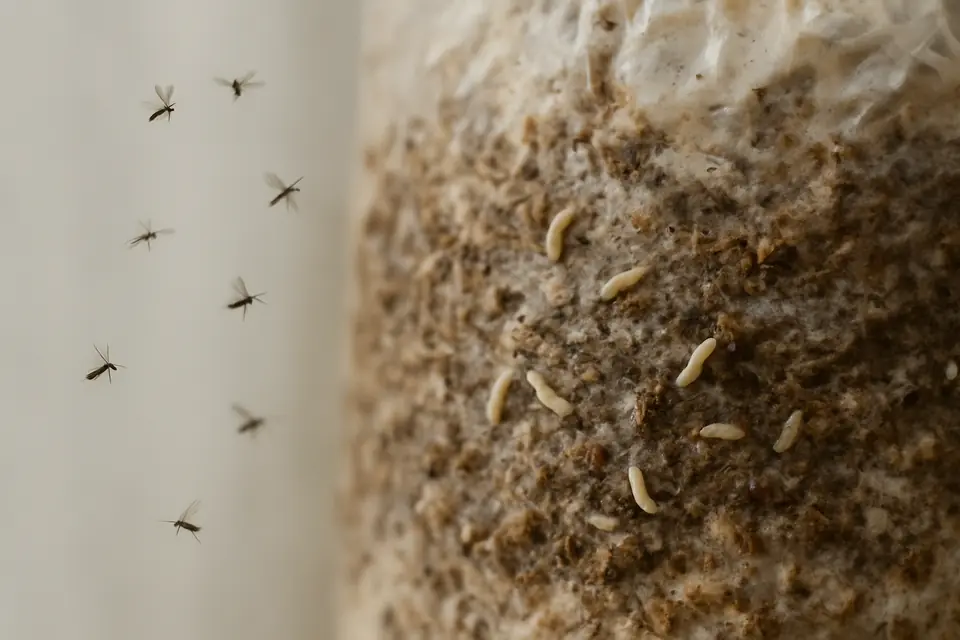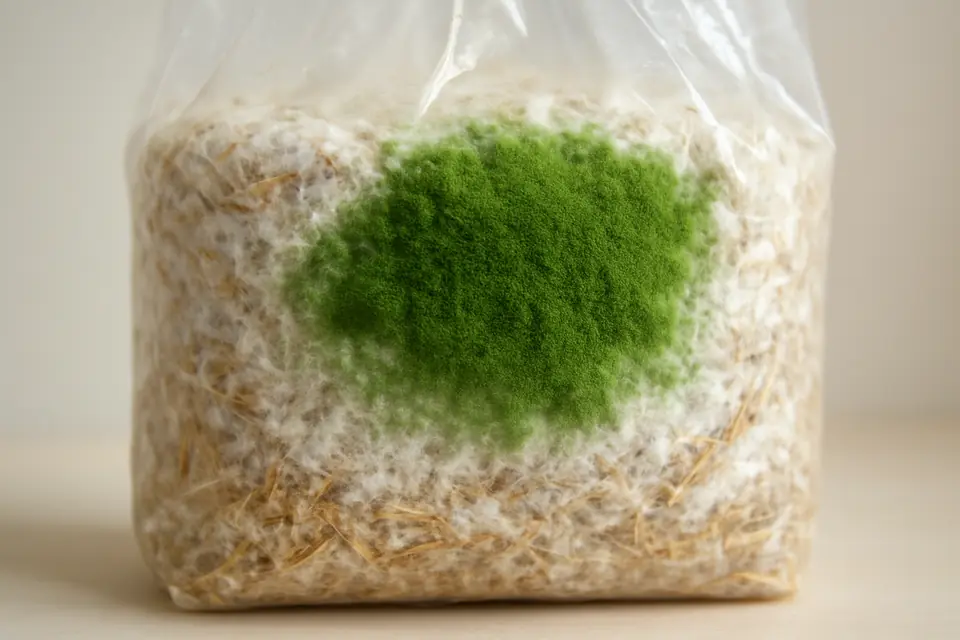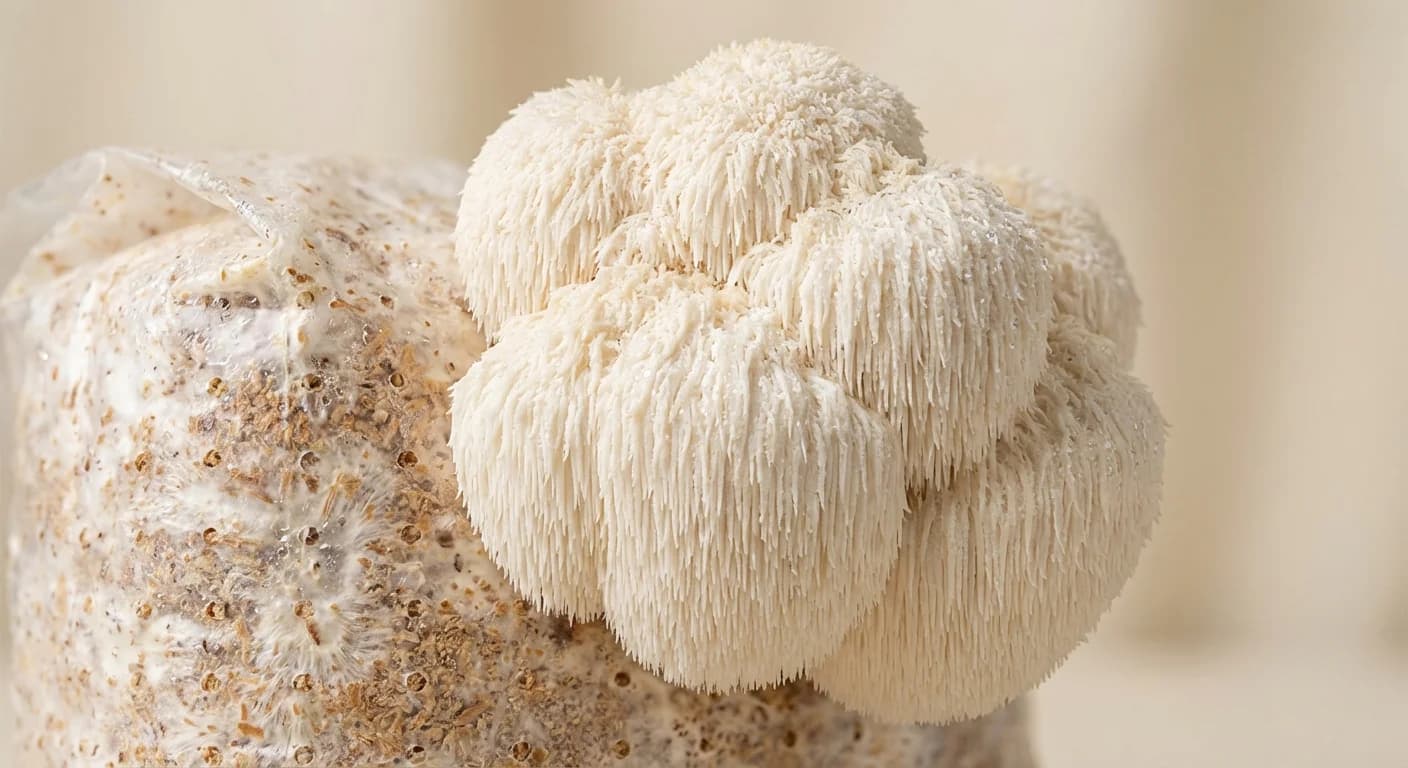
What does Dry Bubble Disease look like?
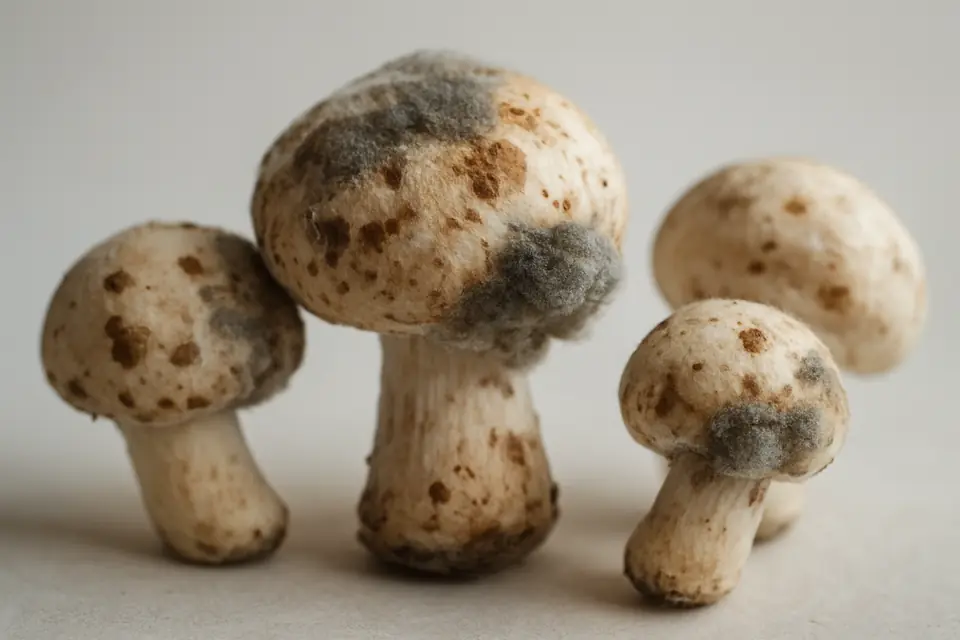
Deformed, lumpy, round mushroom masses instead of normal caps and stems. Brown spots on caps. Tilting or leaning mushrooms. Gray fuzzy growth on affected areas.
- Color
- Brown
- Texture
- Spotted, deformed
- Smell
- None initially
- Growth speed
- Moderate
Why does Dry Bubble Disease show up?
Contaminated casing soil, fly vectors, splashing water between blocks, poor hygiene, contaminated tools.
What do I do if I find Dry Bubble Disease in my grow?
- Remove and destroy affected mushrooms and surrounding substrate.
- Salt the affected area to prevent spore spread.
- Increase hygiene protocols.
- Consider reducing humidity temporarily.
- Treat remaining crop with appropriate fungicide if applicable.
How do I prevent Dry Bubble Disease?
- Use pasteurized casing layer.
- Maintain hygiene in fruiting room.
- Control flies (vectors).
- Dip tools in disinfectant between blocks.
- Avoid splashing water between blocks.
At which stage does Dry Bubble Disease appear?
| Stage | Risk | What happens | How to prevent it |
|---|---|---|---|
| Preparation | Low | Can be present in contaminated casing materials. | Pasteurize casing layer properly. |
| Inoculation | No risk | — | — |
| Colonization | Low | Can be introduced with casing layer. | Use clean casing materials. |
| Fruiting | High | Disease manifests during fruiting — deformed mushrooms, brown spots. | Maintain hygiene. Control flies. Dip tools in disinfectant. Avoid water splash. |
| Harvest | Moderate | Can spread during harvesting if tools are contaminated. | Disinfect hands and tools between blocks. |
Updated: February 24, 2026
This guide is for orientation. A reliable diagnosis needs a lab. If in doubt, ask an experienced mycologist.