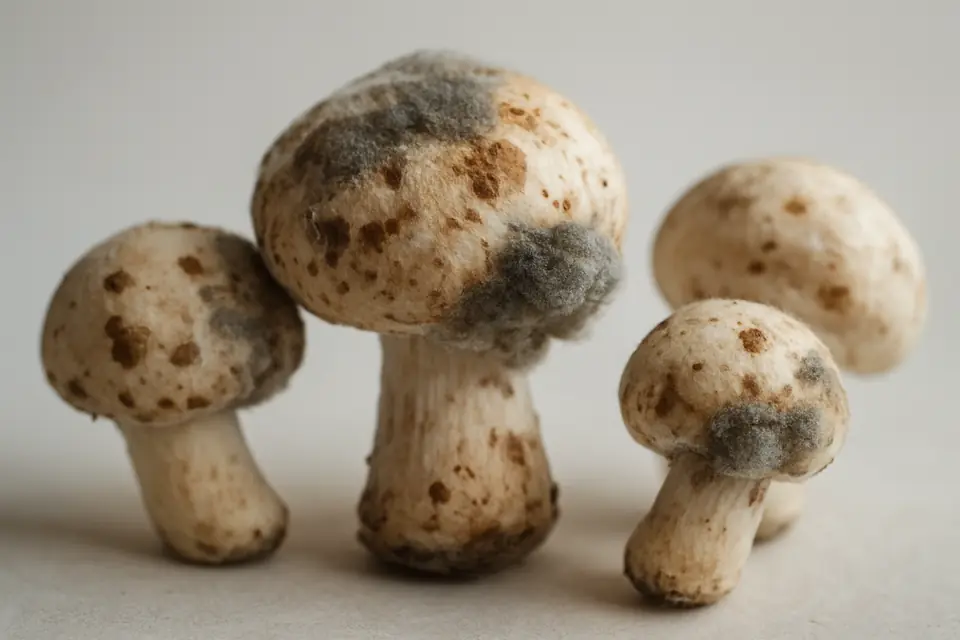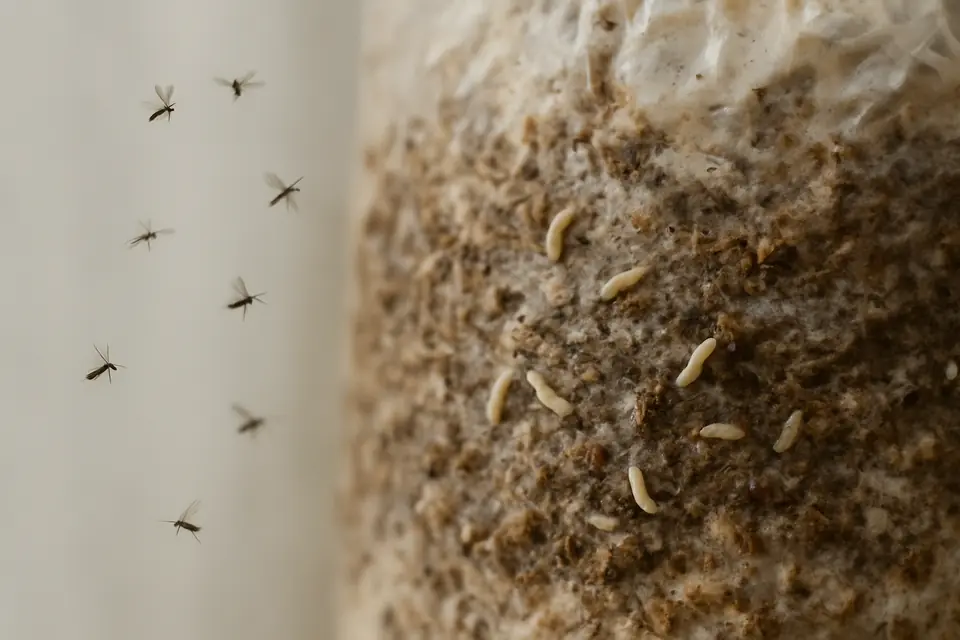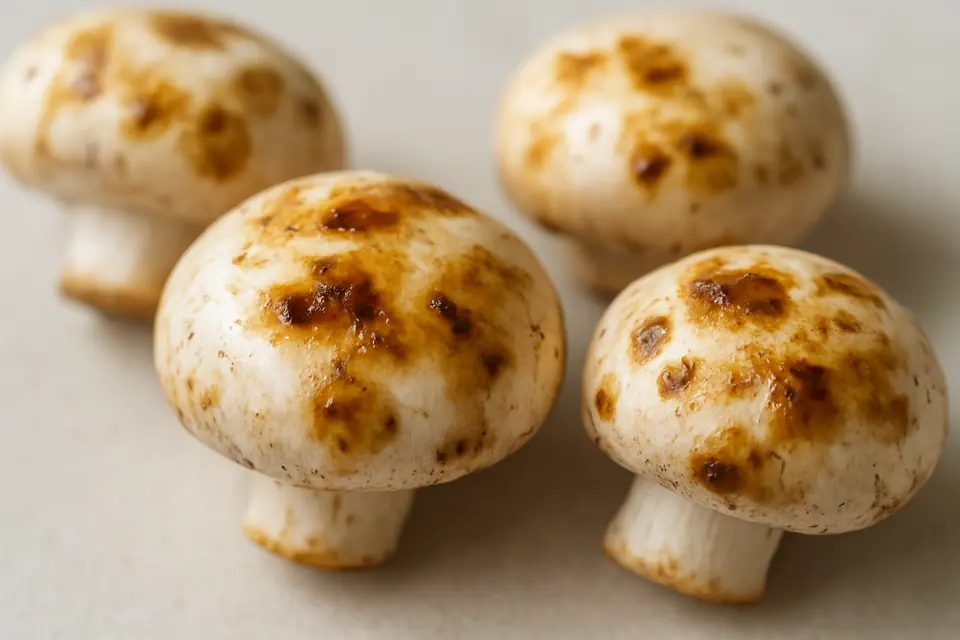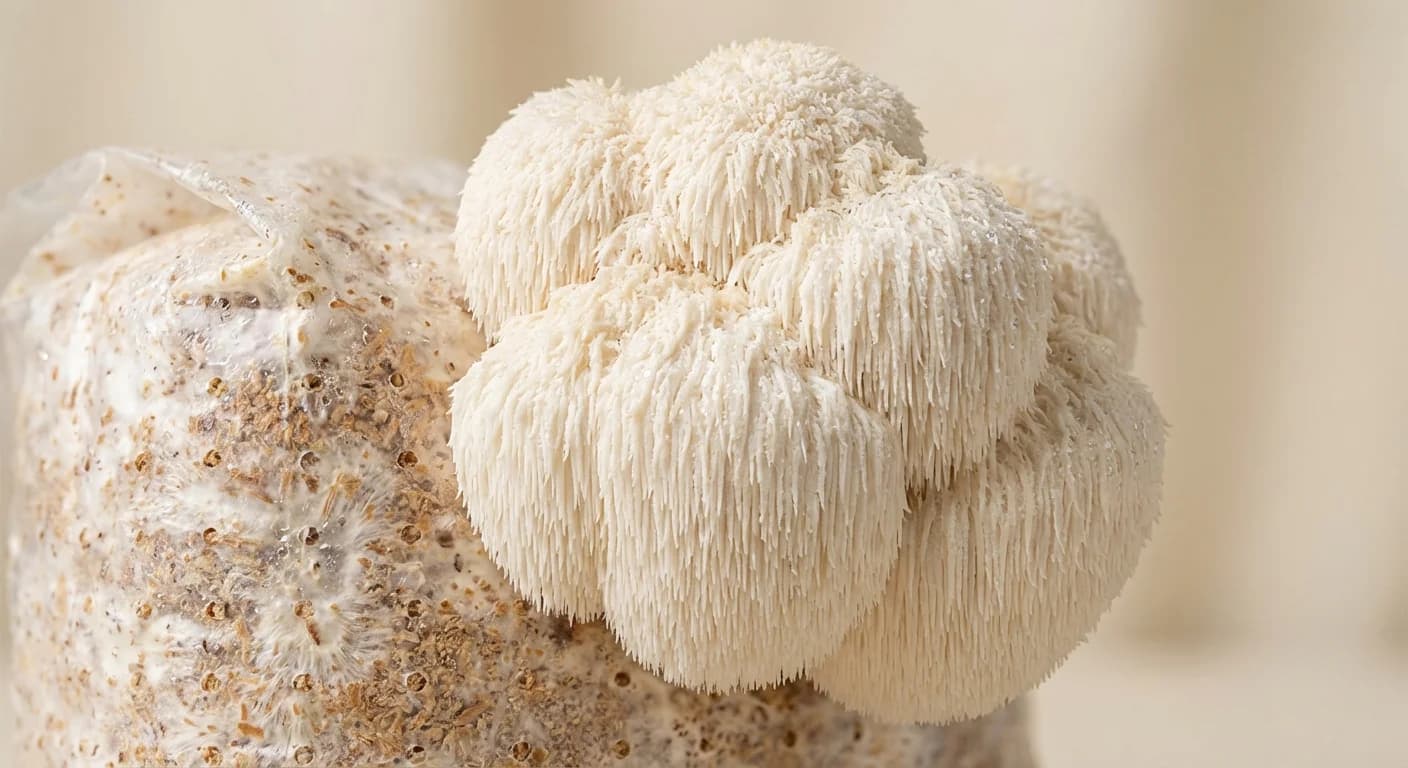
What does Wet Spot / Sour Rot look like?
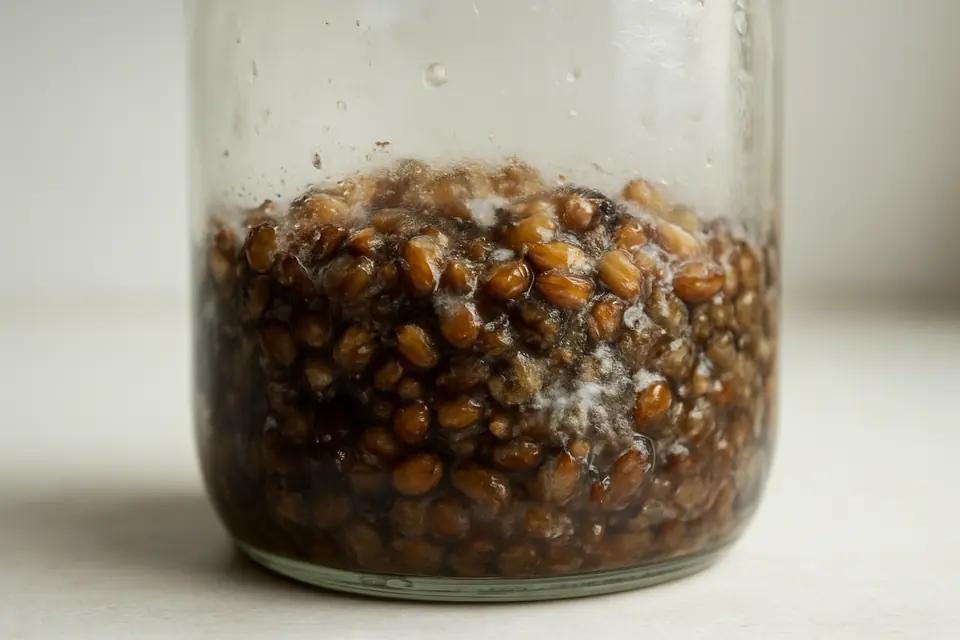
Wet, slimy, translucent spots on grain. Grains appear darker and waterlogged. No visible mycelium growth in affected areas. Grain may clump together.
- Color
- Brown
- Texture
- Slimy, wet
- Smell
- Sour, fermented, acidic
- Growth speed
- Fast
Why does Wet Spot / Sour Rot show up?
Insufficient sterilization time, overhydrated grain, uneven heating, too-short pressure cooker time.
What do I do if I find Wet Spot / Sour Rot in my grow?
- Discard all affected grain.
- The bacteria produce endospores that are extremely difficult to eliminate.
- Clean pressure cooker thoroughly.
- Review grain hydration and sterilization protocol.
How do I prevent Wet Spot / Sour Rot?
- Sterilize grain at 15 PSI for 90 minutes minimum.
- Do not overhydrate grain — it should be dry to the touch on the outside.
- Ensure even heat distribution in pressure cooker.
- Cool grain fully before inoculation.
At which stage does Wet Spot / Sour Rot appear?
| Stage | Risk | What happens | How to prevent it |
|---|---|---|---|
| Preparation | High | Most common cause — inadequate grain sterilization or overhydration. | Follow precise grain prep: soak, simmer, dry, then sterilize at 15 PSI 90+ min. |
| Inoculation | High | Often appears within days of inoculation due to surviving spores. | Ensure grain is fully cooled before inoculating. Work cleanly. |
| Colonization | Moderate | Wet spots become obvious as healthy mycelium grows around them. | Shake grain jars to check for wet spots. Discard any suspect jars. |
| Fruiting | Low | Rarely an issue at fruiting if spawn was clean. | — |
| Harvest | No risk | — | — |
Updated: February 24, 2026
This guide is for orientation. A reliable diagnosis needs a lab. If in doubt, ask an experienced mycologist.