Skip to content
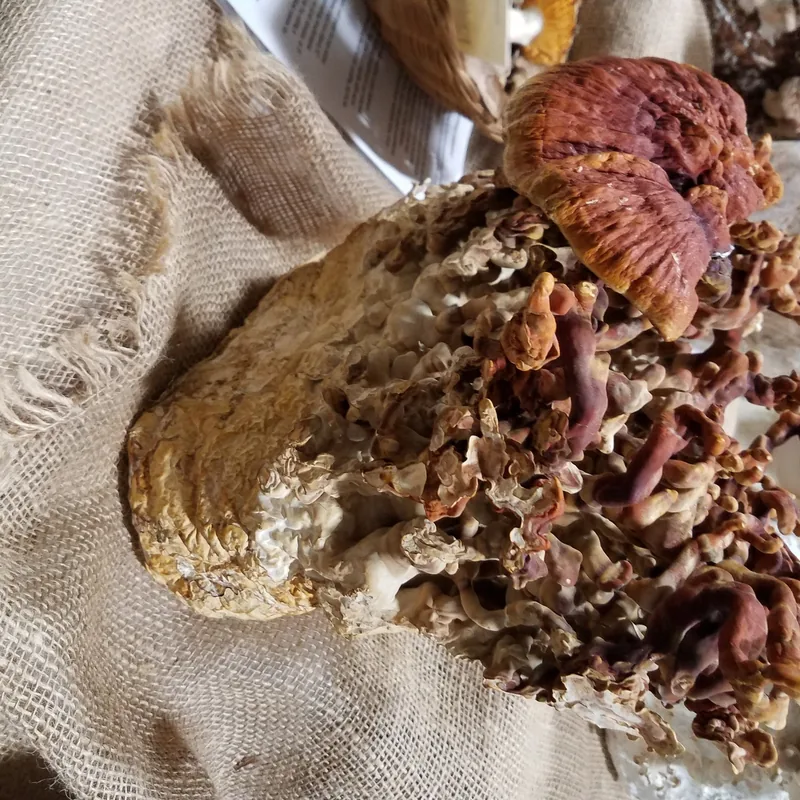
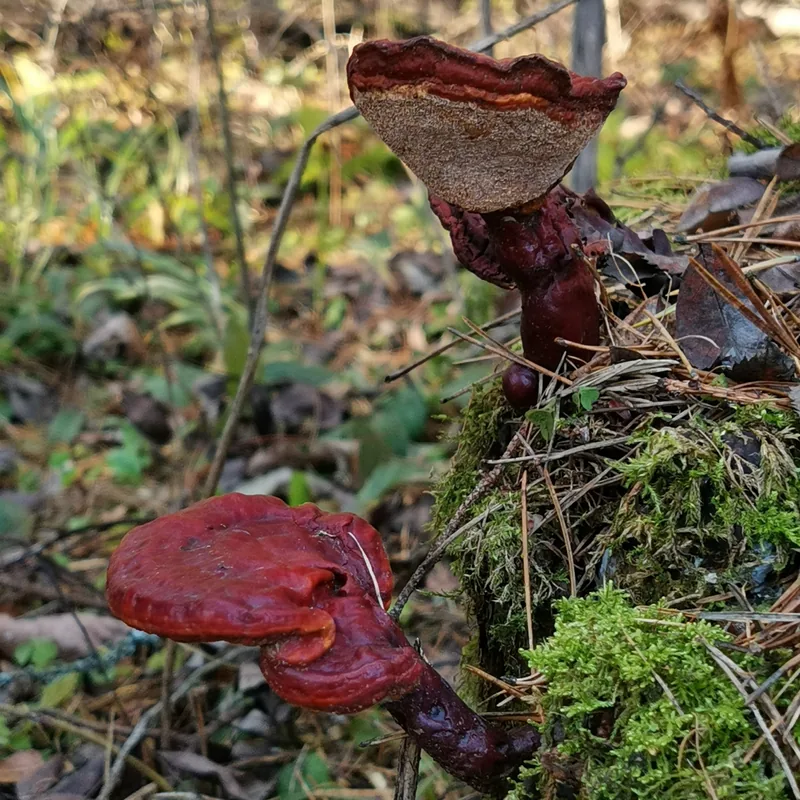
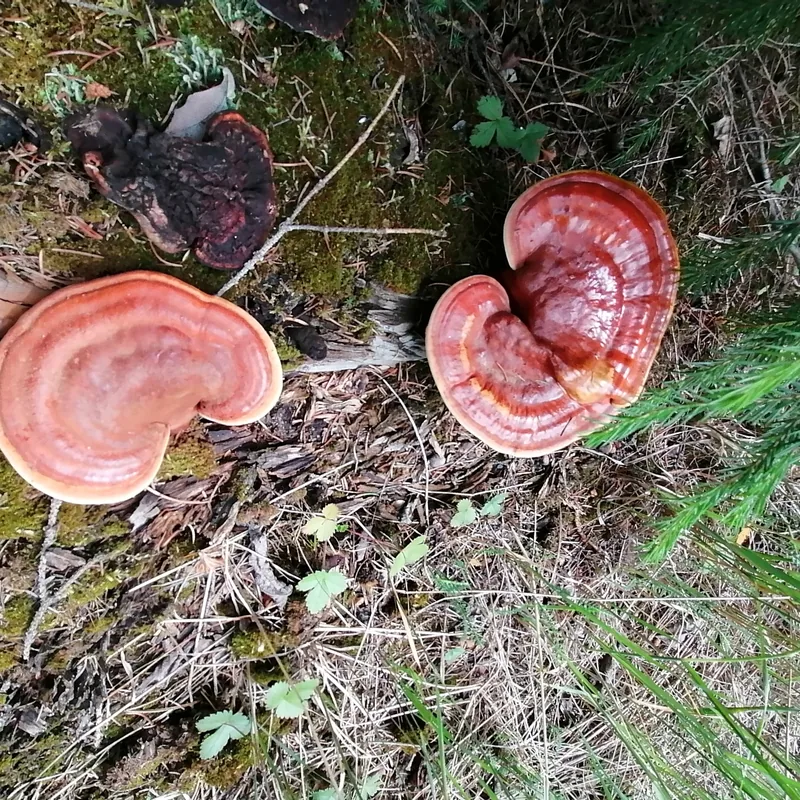
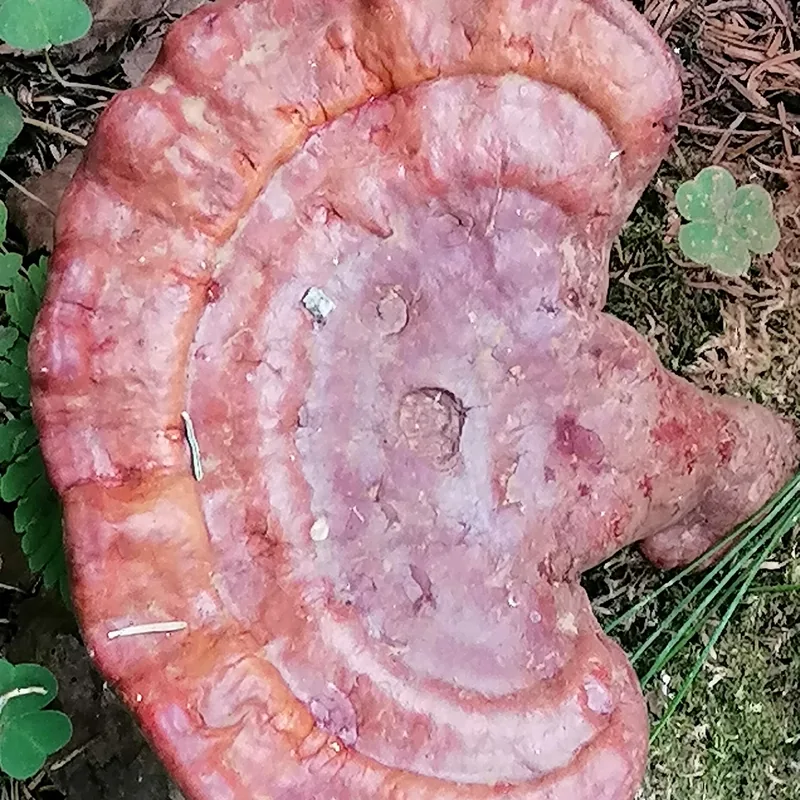
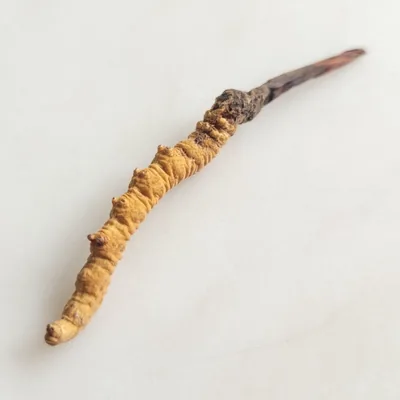
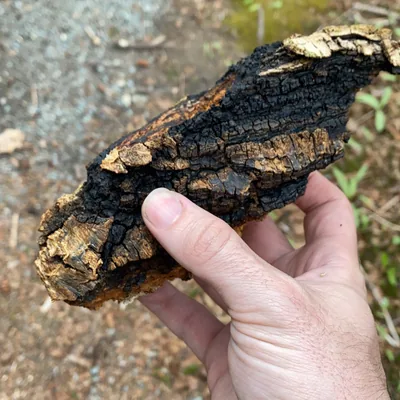
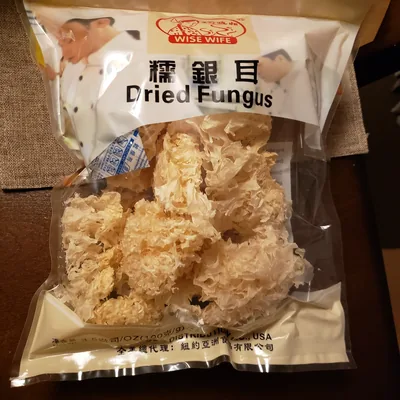
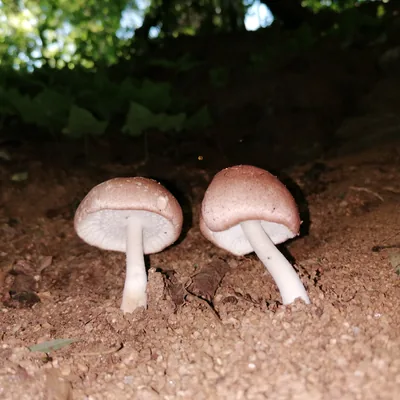
reishi (Ganoderma lucidum), photo
Photo
Medicinal

ReishiGanoderma lucidum

lingzhi

Ganoderma lucidum is a varnished wood-growing fungus widely distributed in Europe. Searches for reishi often bring together this species, Asian lingzhi, and research on their preparations.[1][2][7]

Not edible. Tough or woody; used as tea or extract. Never eat a wild mushroom identified only from photos.

  • Season in Mexico
  • HabitatWood of trees
  • GrowingMedium
  • FamilyPolyporaceae

How do you identify reishi?
Cap
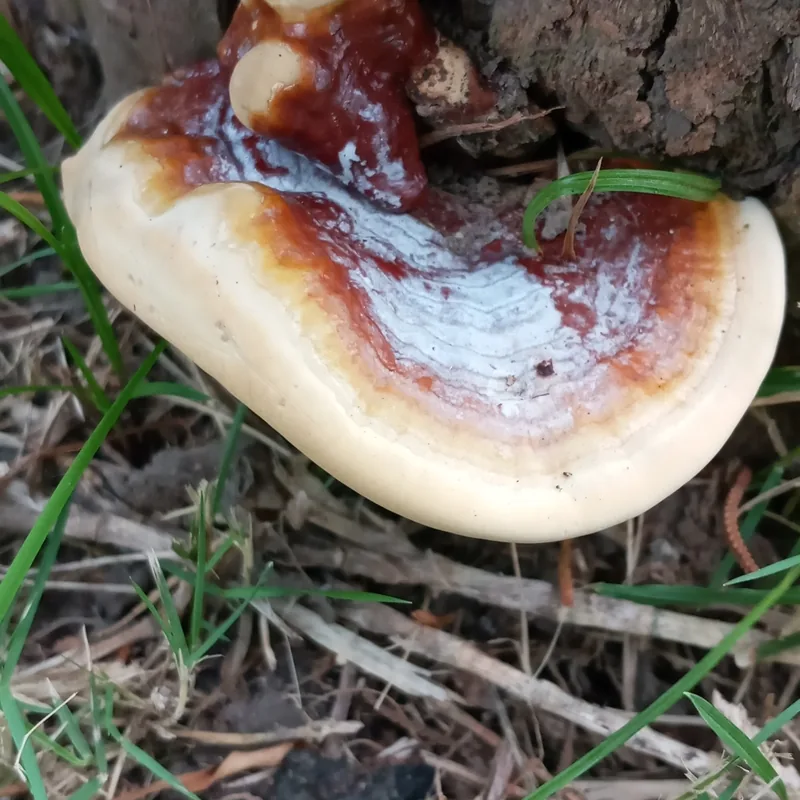
Kidney-shaped, up to 20 cm across; red to pinkish-brown at maturity, according to the description of Romanian specimens.[10]
Pores
Round, cream-colored pores, 4–5 per mm; they turn brown under pressure.[1]
Stem
Usually 5–12 × 1–3 cm, with an uneven, reddish-brown surface.[1]
Spore print
Brown.[1]
Smell
Mushroom-like.[1]

Can you eat reishi?

It is classified as inedible. Published reports describe liver injury associated with powdered preparations labeled lingzhi, including a fatal case; the patients also took other medicines. A review identifies possible interactions with anticoagulants and antiplatelet drugs, with a theoretical bleeding risk.[1][8][9]

How do you grow reishi?

Temperature

Colonization21–27 °C

Fruiting21–27 °C

Humidity

Colonization0–95 %

Fruiting0–92 %

Full cycle: 90 days

Light
Indirect

Substrates

  • Supplemented hardwood sawdust
  • Hardwood logs

Woods it likes

  • Birch
  • Alder
  • Hackberry
  • Soft Maple
  • Cherry
  • Poplar
  • Plum
  • Beech
  • Sweetgum
  • Mulberry
Track this grow in SporeXpert

Log your batches, temperatures and harvests. The free plan needs no card.

Track this grow in SporeXpert

Where and when does reishi grow?

Grows on living and dead broadleaf trees, occasionally on conifers, in forests, parks, and gardens. It causes white rot.[1]

The consulted literature gives summer and autumn for Europe. Fruiting months in Mexico remain unconfirmed for G. lucidum sensu stricto.[1][3]

Ganoderma lucidum sensu stricto is the European species. A study documented restricted populations in northern California and Utah, possibly introduced. Mexican literature questions its American distribution; Mexican records published under this name require taxonomic review.[3][11]

See the mushroom map

About the name

Ganoderma lucidum sensu stricto is the species described from Europe. The widely cultivated Chinese lingzhi belongs to G. sichuanense. A study of type material considers G. lingzhi a later synonym of G. sichuanense. These names explain some of the confusion in older records and studies.[2][11]
Fun facts

  • Lucidum refers to its sheen: the Latin word means “bright, shiny.”[1]
  • DNA analysis of the first cultivated Chinese lingzhi helped clarify its identity.[2]

Frequently asked questions

Sources

  1. A Review of Chemical Composition and Bioactivity Studies of the Most Promising Species of Ganoderma spp.
  2. Re-Examination of the Holotype of Ganoderma sichuanense (Ganodermataceae, Polyporales) and a Clarification of the Identity of Chinese Cultivated Lingzhi
  3. Diversidad y distribución de Ganoderma (Polyporales: Ganodermataceae) en Sonora, México
  4. Uso de subproductos forestales como cobertura para la producción comercial de champiñón (Agaricus bisporus)
  5. Safety and tolerability of Ganoderma lucidum in healthy subjects: a double-blind randomized placebo-controlled trial
  6. A double-blind, randomised, placebo-controlled trial of Ganoderma lucidum for the treatment of cardiovascular risk factors of metabolic syndrome
  7. The Nutritional Significance of Ganoderma lucidum on Human Health: A GRADE-Assessed Systematic Review and Meta-Analysis of Clinical Trials
  8. Fatal fulminant hepatitis associated with Ganoderma lucidum (Lingzhi) mushroom powder
  9. Herb–drug interactions: an overview of systematic reviews
  10. Natural Bio-Compounds from Ganoderma lucidum and Their Beneficial Biological Actions for Anticancer Application: A Review
  11. The Species Identity of the Widely Cultivated Ganoderma, ‘G. lucidum’ (Ling-zhi), in China

Written with AI help from the cited sources. A second model checked every fact against those sources and removed what they did not support.

Image credits

Photos are under free licenses (CC0, CC BY or CC BY-SA).

Related mushrooms