
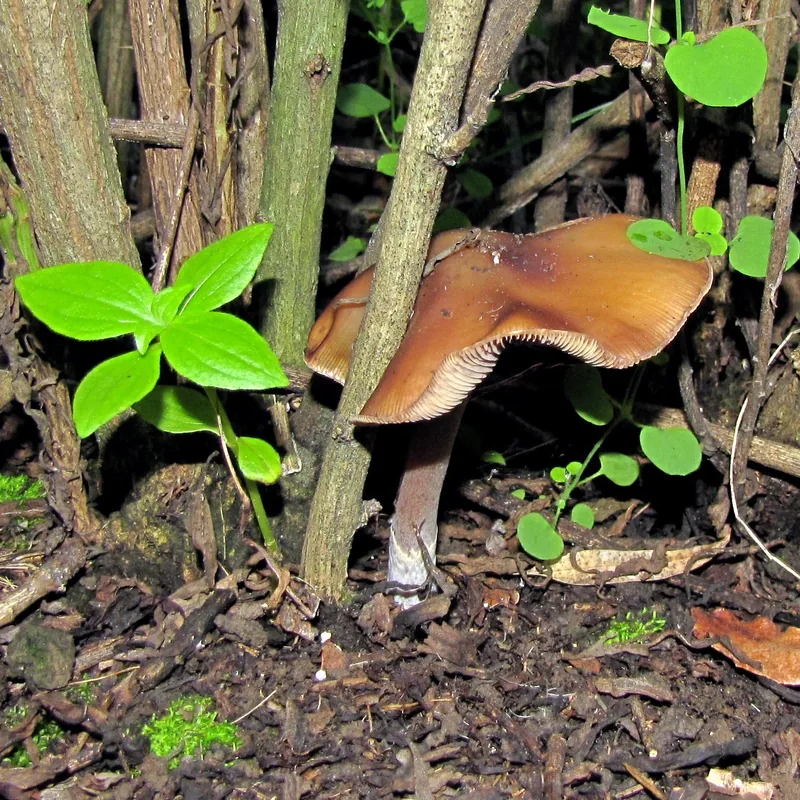
Psychoactive: controlled substance in Mexico. For information only. Never eat a wild mushroom identified only from photos.
- Season in Mexico
- HabitatCloud and tropical forests
- FamilyHymenogastraceae
How do you identify landslide mushroom?
- Cap diameter
- 2 to 9 cm.[1]
- Cap shape
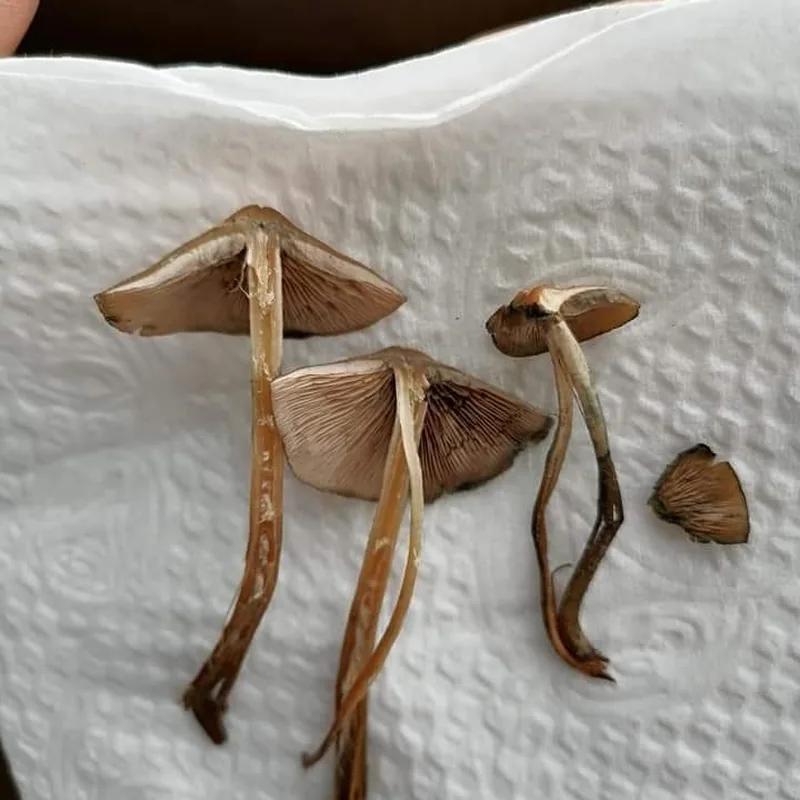
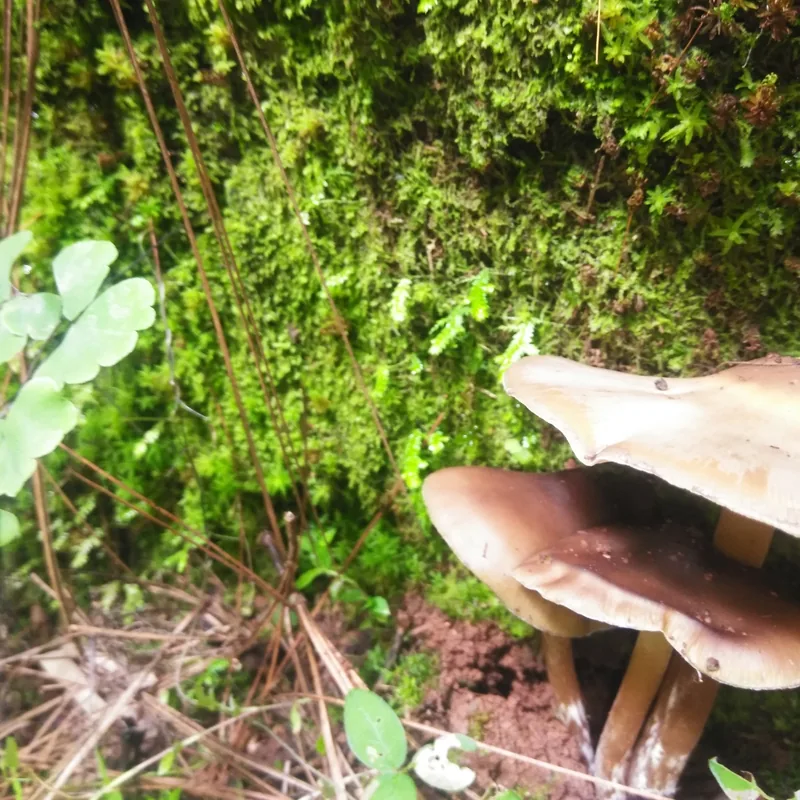
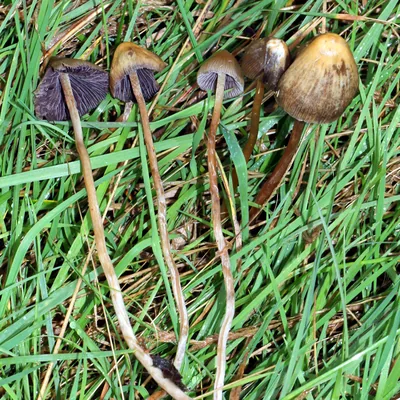
- Bluntly bell-shaped to convex, with an incurved margin at first; with age it becomes convex and rarely flat.[1]
- Cap center
- May have a small nipple-like bump or a central depression.[1]
- Cap margin
- Often bluish, with translucent lines.[1]
- Blue bruising
- The fruiting body may stain blue-green when bruised.[2]
- Spore print
- Dark purplish brown.[1]
What happens if someone eats landslide mushroom?
It is classified as a controlled psychoactive mushroom and excluded from food use. Ingestion can cause psychological crises; mistaken identification adds the risk of poisoning by another species.[13][16][19]
Where and when does landslide mushroom grow?
A saprotrophic mushroom of cloud forests and dry tropical forests; it favors high humidity.[1]
The sources consulted provide no month-by-month fruiting calendar specifically for Mexico.[1][2]
CONABIO records these states. Its range also includes the United States, Costa Rica, Trinidad, and Colombia.[1]
History and traditional uses
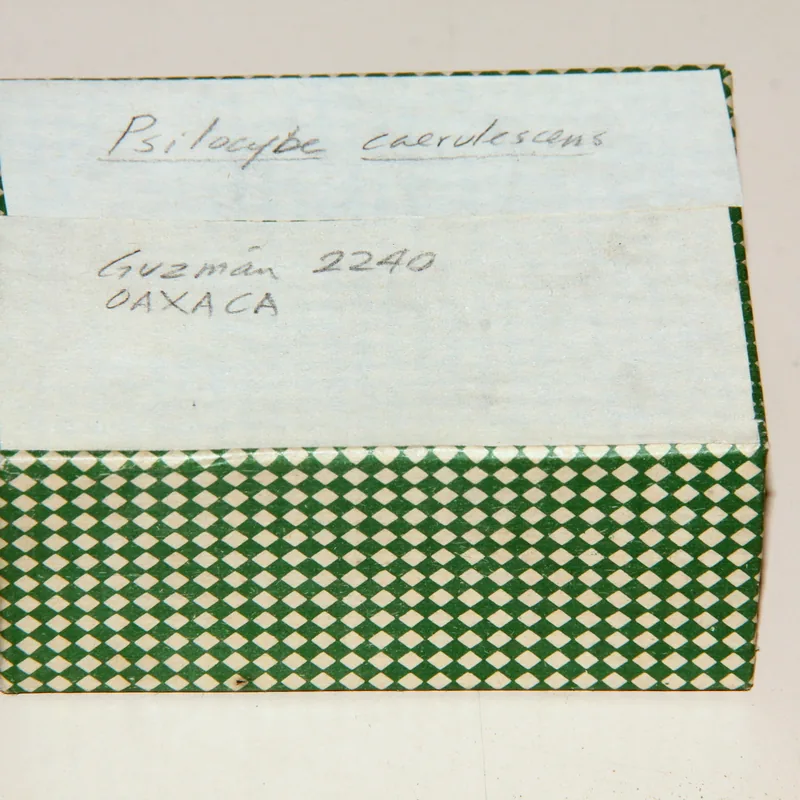
UNAM includes P. caerulescens among the species used in Mazatec and Zapotec rituals. It also documents continuing ritual use of psilocybin mushrooms in Nahua communities. María Sabina used this species in her veladas in Huautla de Jiménez. R. Gordon Wasson publicized his experience in Life in 1957. Albert Hofmann and his team isolated psilocybin and psilocin from P. mexicana and published their results in 1958. Gastón Guzmán published his monograph of the genus Psilocybe in 1983.[3][5][6][7]
Is it legal in Mexico?
In Mexico, the Ley General de Salud lists psilocybin and psilocin in Article 245, section I; the psilocybin entry mentions hallucinogenic mushrooms. Articles 248 and 249 establish prohibitions and authorizations for scientific research. Psilocybin and psilocin appear in Schedule I of the United Nations Convention on Psychotropic Substances of 1971. Mexico has a documented history of traditional ceremonial use.[19][20]
About the name
GBIF accepts P. caerulescens and includes P. caerulescens var. mazatecorum among its synonyms. Its classification places the genus Psilocybe in Hymenogastraceae.[8][9]
Fun facts
Frequently asked questions
Related mushrooms
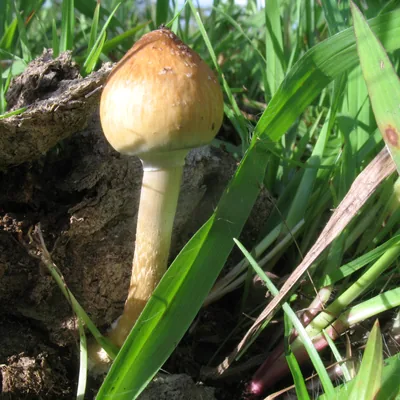 Magic mushroomPsilocybe cubensisPsychoactive: controlled substance in Mexico
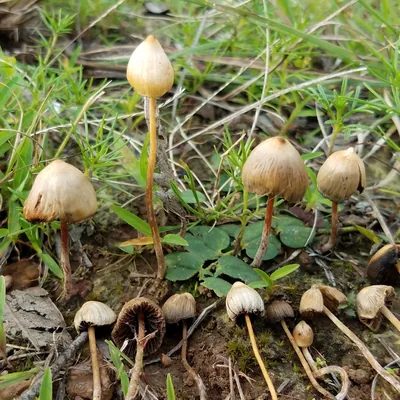 PajaritoPsilocybe mexicanaPsychoactive: controlled substance in Mexico
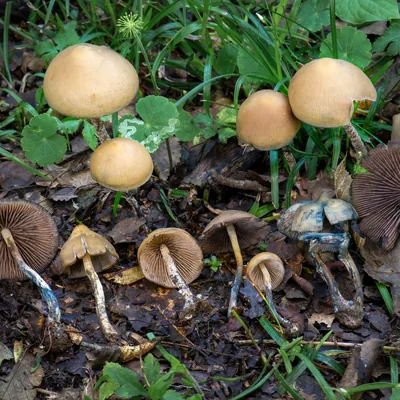 Drunken mushroomPsilocybe zapotecorumPsychoactive: controlled substance in Mexico
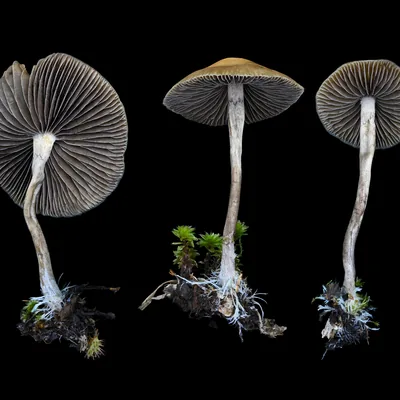 Niño de aguas (water child)Psilocybe aztecorumPsychoactive: controlled substance in Mexico
 Liberty capPsilocybe semilanceataPsychoactive: controlled substance in Mexico