
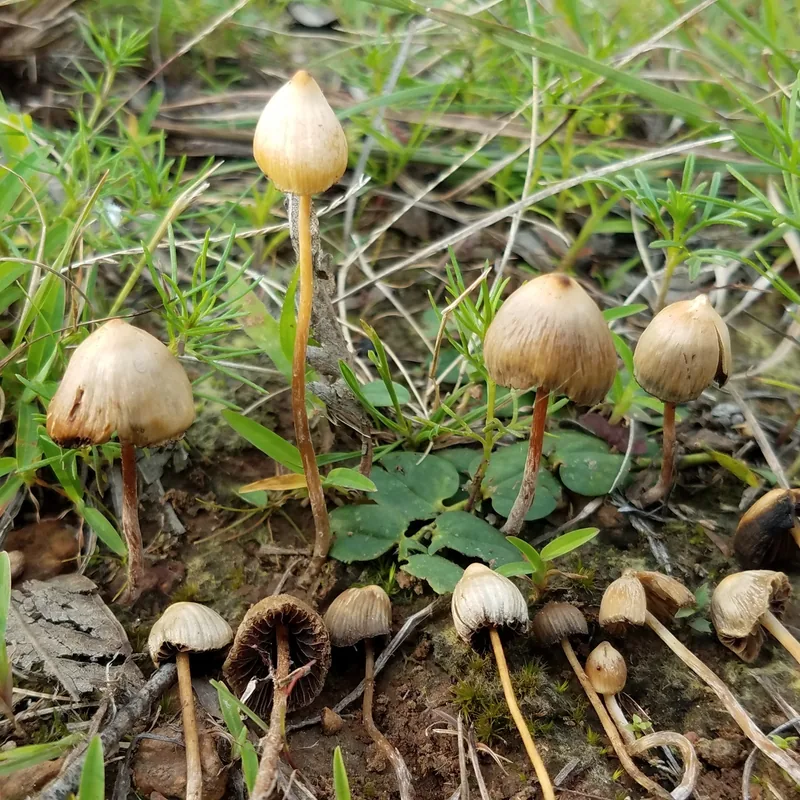
Psychoactive: controlled substance in Mexico. For information only. Never eat a wild mushroom identified only from photos.
- Season in Mexico
- HabitatMoist meadows and moss
- FamilyHymenogastraceae
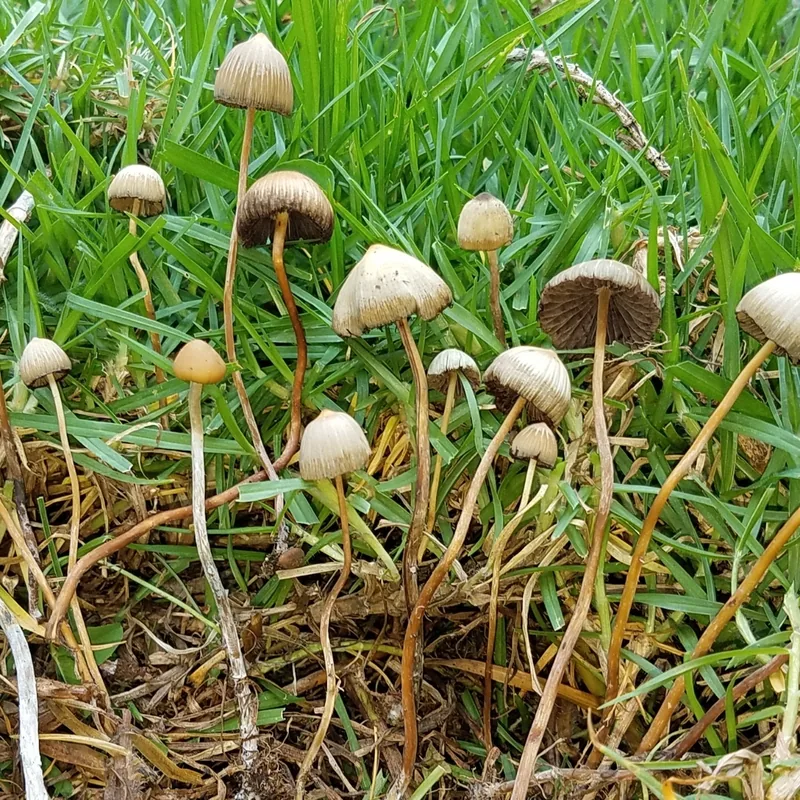
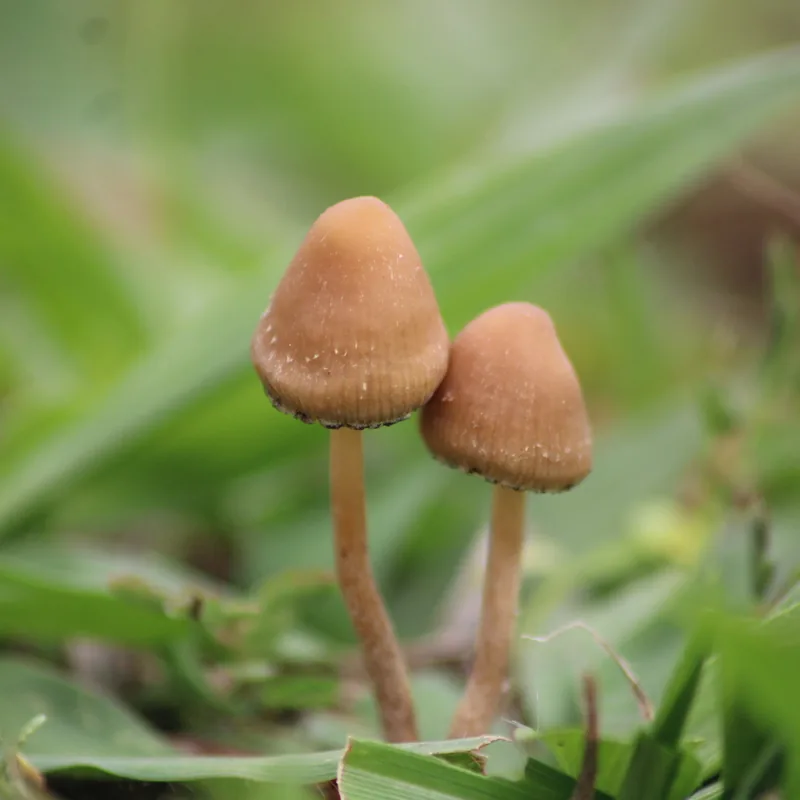
How do you identify Pajarito?
What happens if someone eats Pajarito?
A controlled psychoactive mushroom, excluded from food use. Avoid consuming wild mushrooms identified from photographs.[8][12][13]
Where and when does Pajarito grow?
Moist meadows, moss, and grassy areas bordering forests. It occurs alone or in small groups.[1]
Fruiting months in Mexico await confirmation from a specific Mexican source.[1]
CONABIO identifies potential distribution in these states. The species is also documented in Guatemala.[1][3]
Is it legal in Mexico?
In Mexico, the Ley General de Salud lists psilocybin, psilocin, and hallucinogenic mushrooms in Article 245, section I; it explicitly names Psilocybe mexicana. Articles 248 and 249 establish prohibitions and authorizations for scientific research. Psilocybin and psilocin appear in Schedule I of the United Nations Convention on Psychotropic Substances of 1971. Traditional ceremonial use is documented in Mexico.[13][14]
Fun facts
Frequently asked questions
Related mushrooms
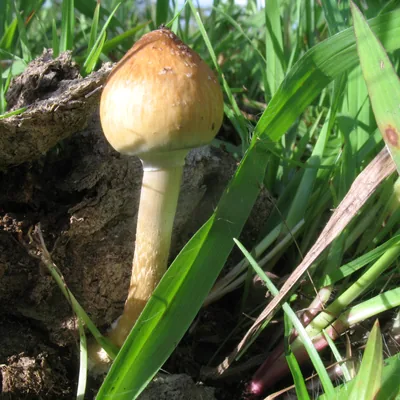 Magic mushroomPsilocybe cubensisPsychoactive: controlled substance in Mexico
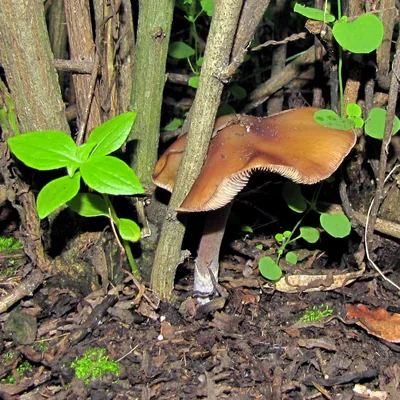 Landslide mushroomPsilocybe caerulescensPsychoactive: controlled substance in Mexico
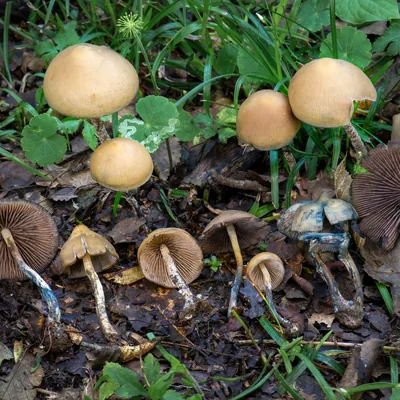 Drunken mushroomPsilocybe zapotecorumPsychoactive: controlled substance in Mexico
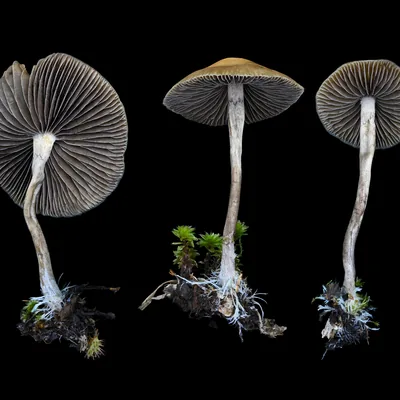 Niño de aguas (water child)Psilocybe aztecorumPsychoactive: controlled substance in Mexico
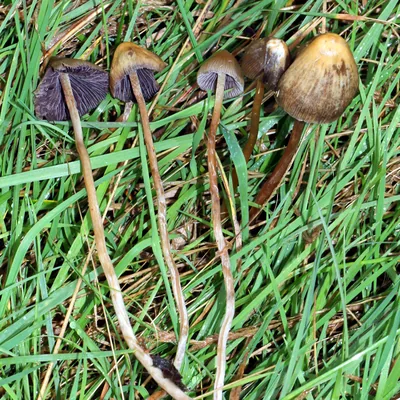 Liberty capPsilocybe semilanceataPsychoactive: controlled substance in Mexico