
Psychoactive: controlled substance in Mexico. For information only. Never eat a wild mushroom identified only from photos.
- Season in Mexico
- HabitatHerbivore dung
- FamilyHymenogastraceae
How do you identify magic mushroom?
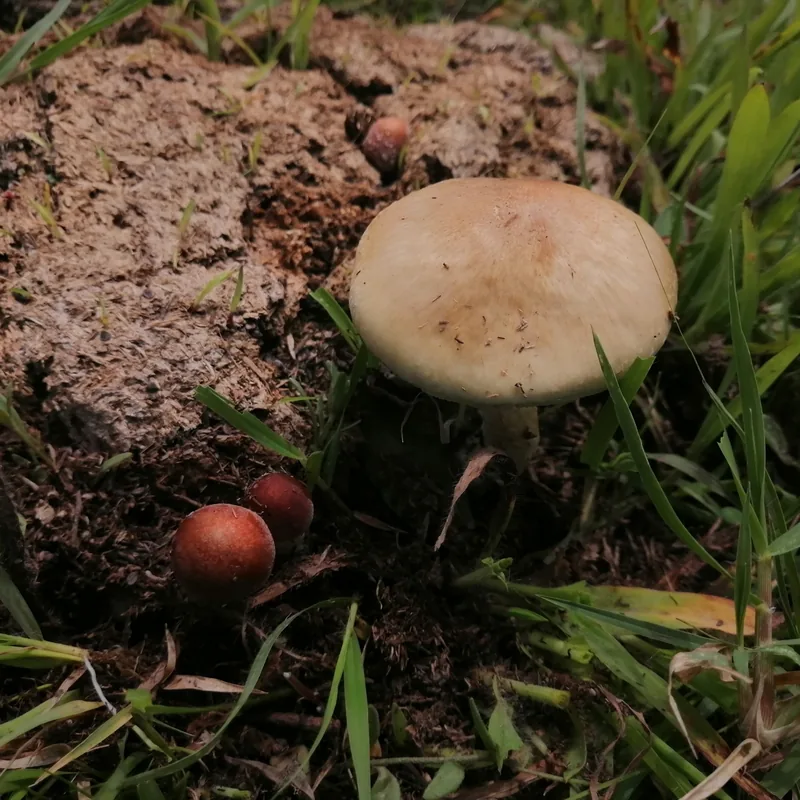
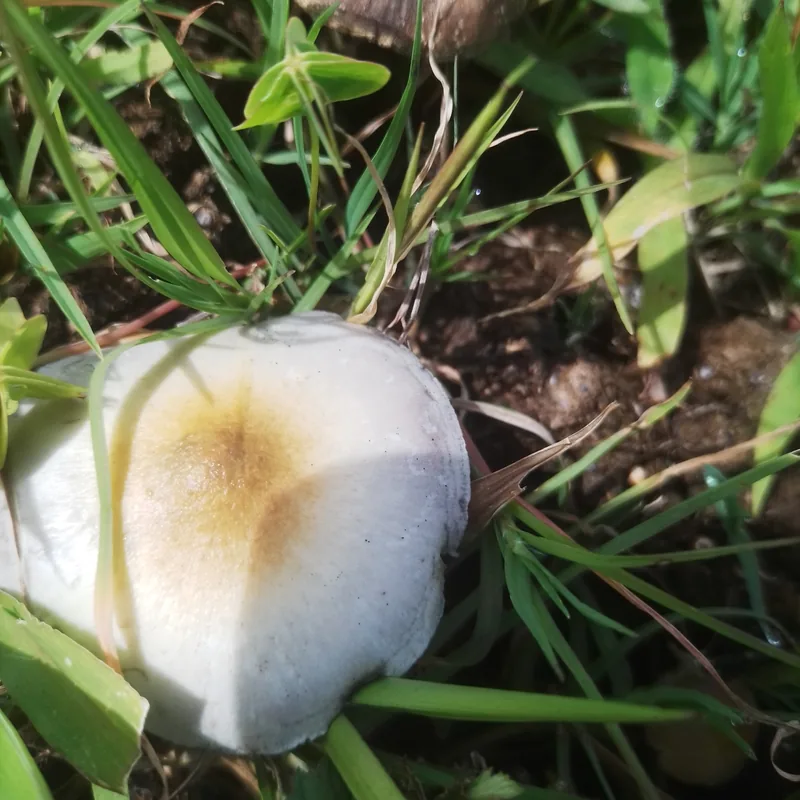
- Cap
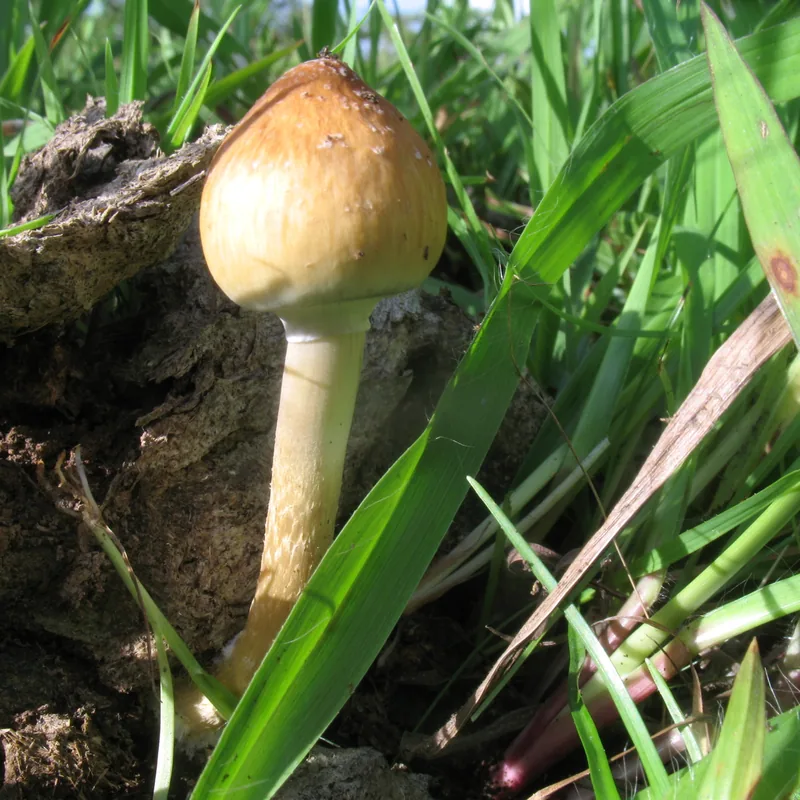
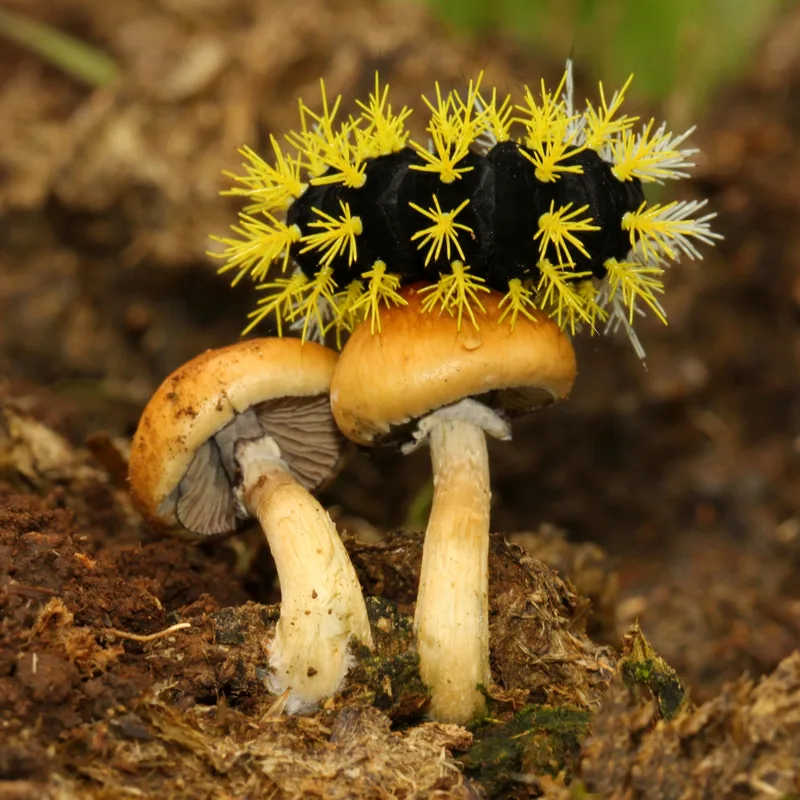
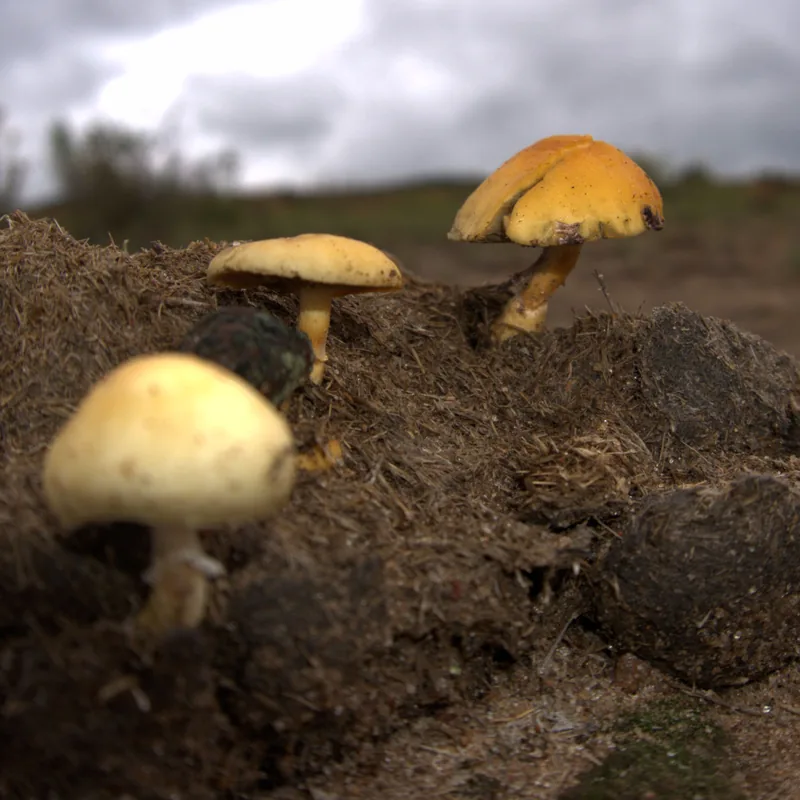
- 2 to 5 cm across, conical and bell-shaped at first, then convex or flat; brown with an edge that fades to white.[3]
- Gills
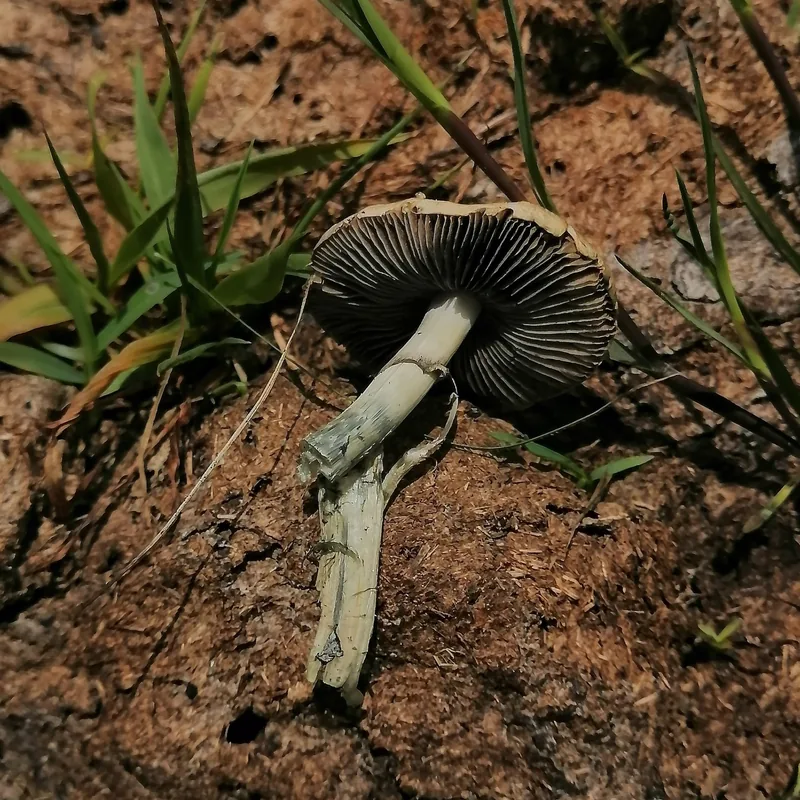
- White at first, becoming violet-gray or purple-brown.[3]
- Stem
- Hollow and white, with a swollen base; it may turn yellow.[3]
- Blue staining
- Its tissues show pronounced blue staining.[4]
- Height
- The fruiting body stands 4 to 15 cm tall.[3]
What happens if someone eats magic mushroom?
Consumption is discouraged. This is a psychoactive mushroom subject to legal control. Avoid using this page as permission to ingest it.[6][11][16]
Where and when does magic mushroom grow?
It grows on cow or bull dung and on fertilized plant remains.[2]
It has a broad distribution across tropical and subtropical regions worldwide. The states reflect records compiled by CONABIO.[1][5]
Is it legal in Mexico?
In Mexico, Article 245, section I, of the Ley General de Salud lists psilocybin and psilocin as controlled psychotropic substances. Article 248 establishes prohibitions, and Article 249 provides for authorized scientific research. Psilocybin appears in Schedule I of the UN Convention on Psychotropic Substances of 1971. Traditional ceremonial use is documented in Indigenous communities; its existence does not imply general authorization for consumption.[16][17]
About the name
Stropharia cubensis is a historical synonym. Molecular classification places Psilocybe in Hymenogastraceae. A 2026 study described Psilocybe ochraceocentrata, from Africa, as the closest wild relative of P. cubensis.[1][5][21]
Fun facts
Frequently asked questions
Related mushrooms
 PajaritoPsilocybe mexicanaPsychoactive: controlled substance in Mexico
 Landslide mushroomPsilocybe caerulescensPsychoactive: controlled substance in Mexico
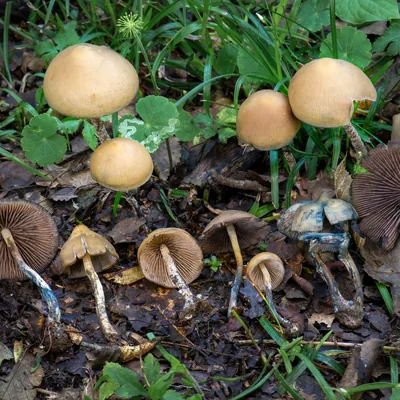 Drunken mushroomPsilocybe zapotecorumPsychoactive: controlled substance in Mexico
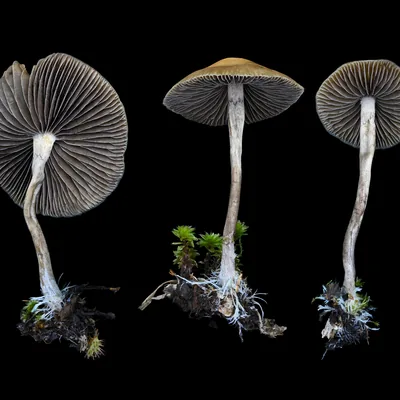 Niño de aguas (water child)Psilocybe aztecorumPsychoactive: controlled substance in Mexico
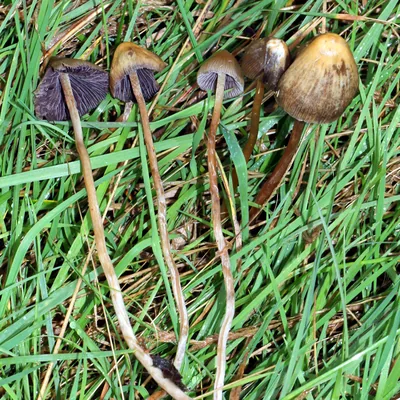 Liberty capPsilocybe semilanceataPsychoactive: controlled substance in Mexico