
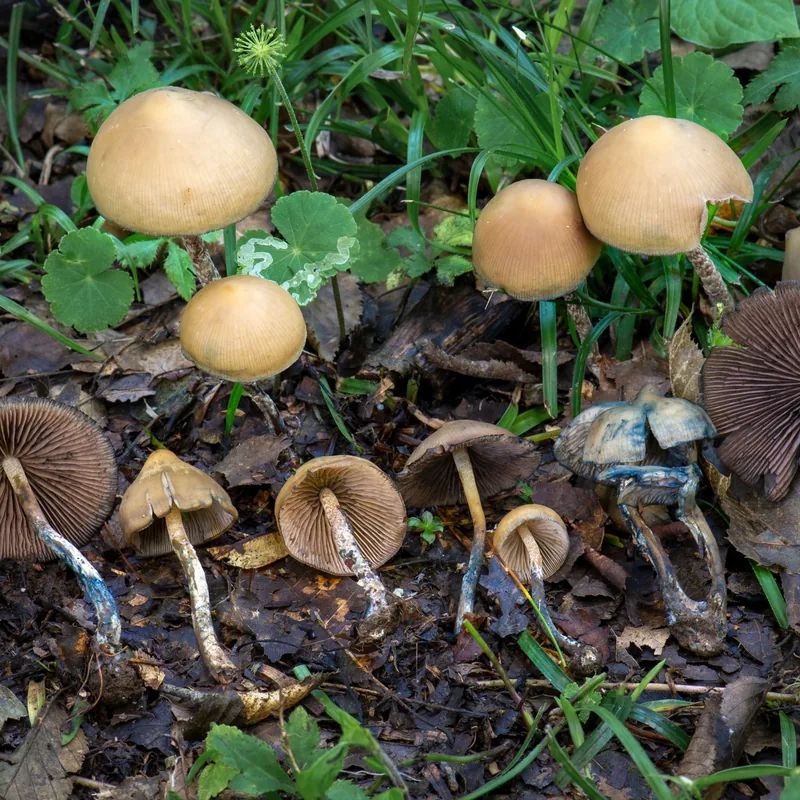
Psychoactive: controlled substance in Mexico. For information only. Never eat a wild mushroom identified only from photos.
- Season in Mexico
- HabitatCloud forests
- FamilyHymenogastraceae
How do you identify Drunken mushroom?
- Cap
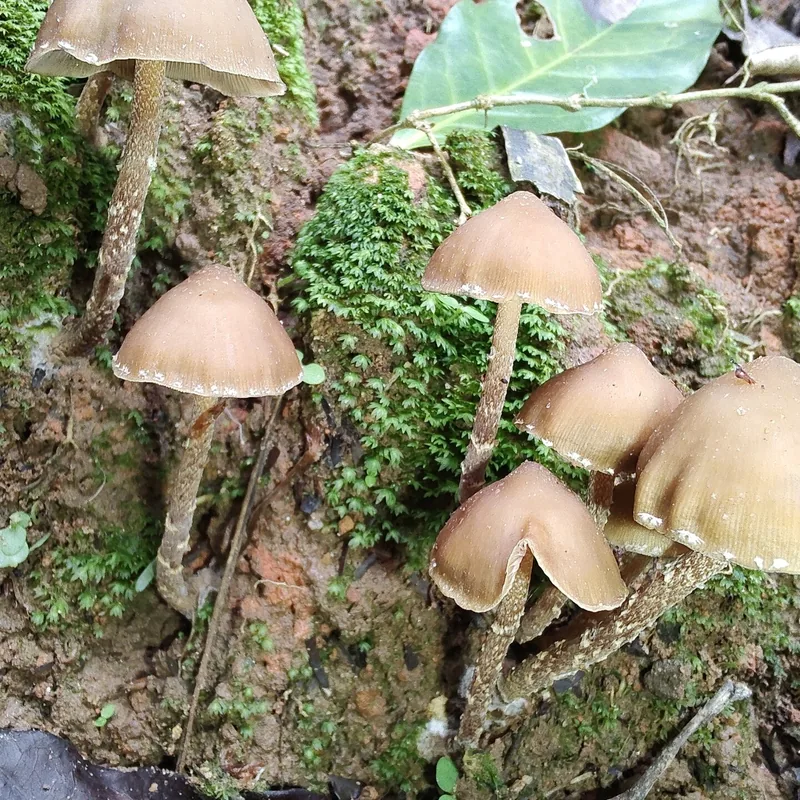
- (2-)4-7(-11) cm across; conical, convex or bell-shaped; pale yellow to chocolate brown.[3]
- Gills
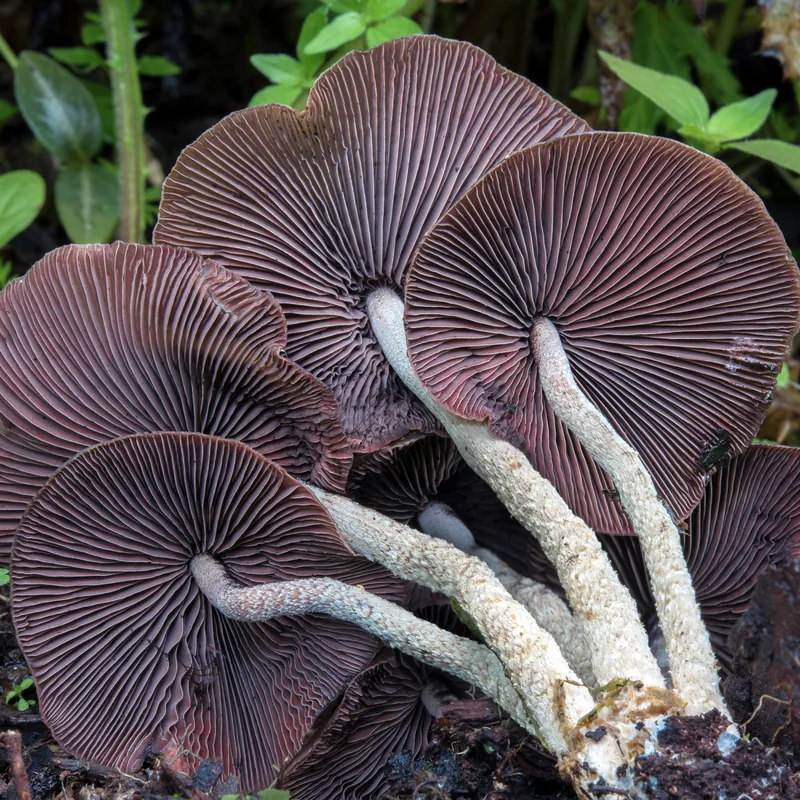
- Attached or notched at the stem; whitish brown to dark violet; whitish edges.[3]
- Stem
- (7-)10-18(-20) cm long by (0.5-)1-1.5(-2) cm thick; fibrous, with white scales toward the base.[3]
- Veil and ring
- White, thin, cobweb-like veil; sometimes leaves a fleeting ring.[3]
- Blue bruising
- Damaged areas show intense blue bruising.[4]
- Smell
- Mealy.[3]
What happens if someone eats Drunken mushroom?
Food use is discouraged: this psychoactive mushroom is subject to legal control. Misidentification can cause serious poisoning.[4][8][12]
Where and when does Drunken mushroom grow?
Cloud forests; fruits on landslides, clay ravines carved by water, and disturbed ground such as road cuts.[4]
The species has records from Mexico to Argentina. Documented records include Oaxaca.[3][5]
Is it legal in Mexico?
In Mexico, the Ley General de Salud lists psilocybin, psilocin and hallucinogenic mushrooms in Article 245, group I. Article 248 prohibits the acts listed in Article 247 for this group; Article 249 provides for authorization for scientific research. The 1971 UN Convention lists psilocybin and psilocin in Schedule I. Traditional ceremonial use is documented in Oaxaca.[12][13][5]
About the name
Gastón Guzmán's 2012 revision brought several previously described species together under the name Psilocybe zapotecorum.[16]
Fun facts
Frequently asked questions
Related mushrooms
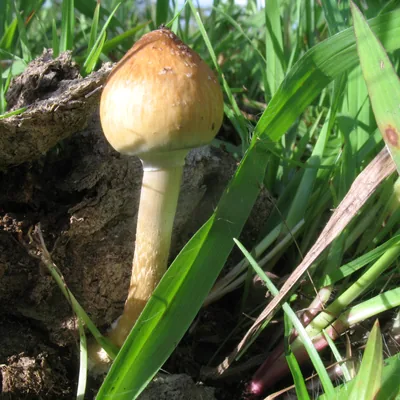 Magic mushroomPsilocybe cubensisPsychoactive: controlled substance in Mexico
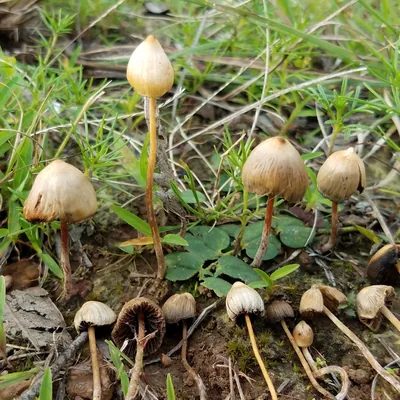 PajaritoPsilocybe mexicanaPsychoactive: controlled substance in Mexico
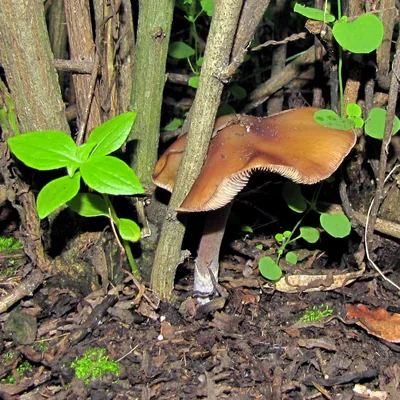 Landslide mushroomPsilocybe caerulescensPsychoactive: controlled substance in Mexico
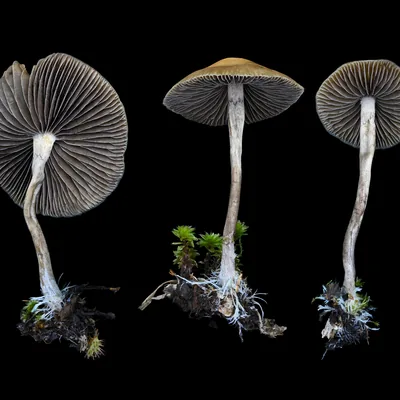 Niño de aguas (water child)Psilocybe aztecorumPsychoactive: controlled substance in Mexico
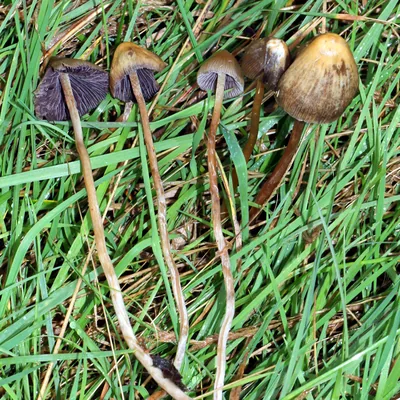 Liberty capPsilocybe semilanceataPsychoactive: controlled substance in Mexico