Button mushroomAgaricus bisporus
portobello · cremini
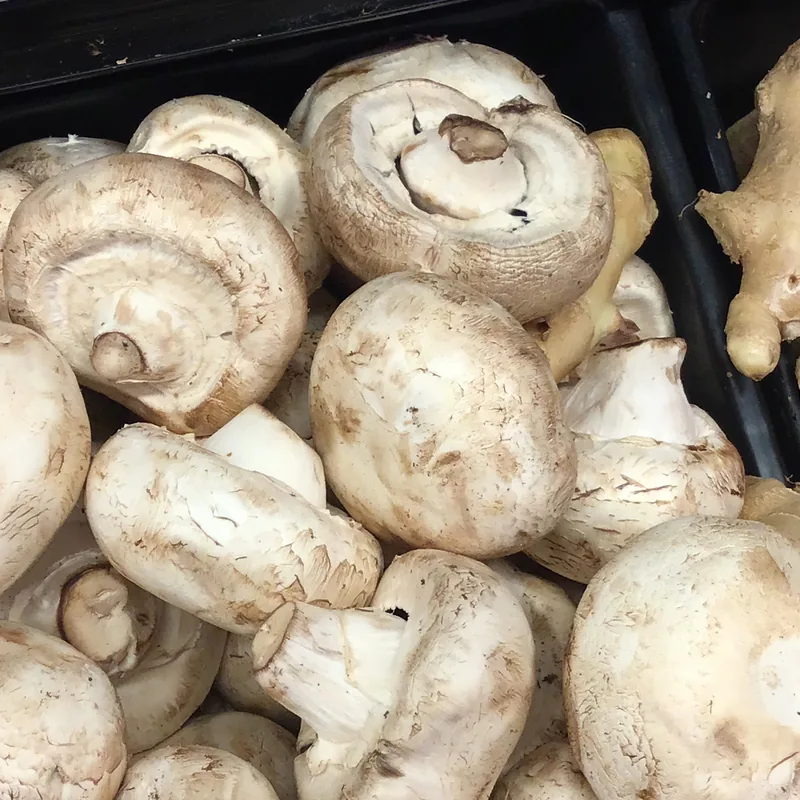
Agaricus bisporus is the edible button mushroom you find at the market. It also grows wild in Mexico. Cremini is its immature brown form and portobello is its mature brown form.[2][9]
Edible. Eat it cooked. Never eat a wild mushroom identified only from photos.
- Season in Mexico
- HabitatSoil and grasslands
- FlavorMild, umami
- GrowingHard
- FamilyAgaricaceae
How do you identify button mushroom?
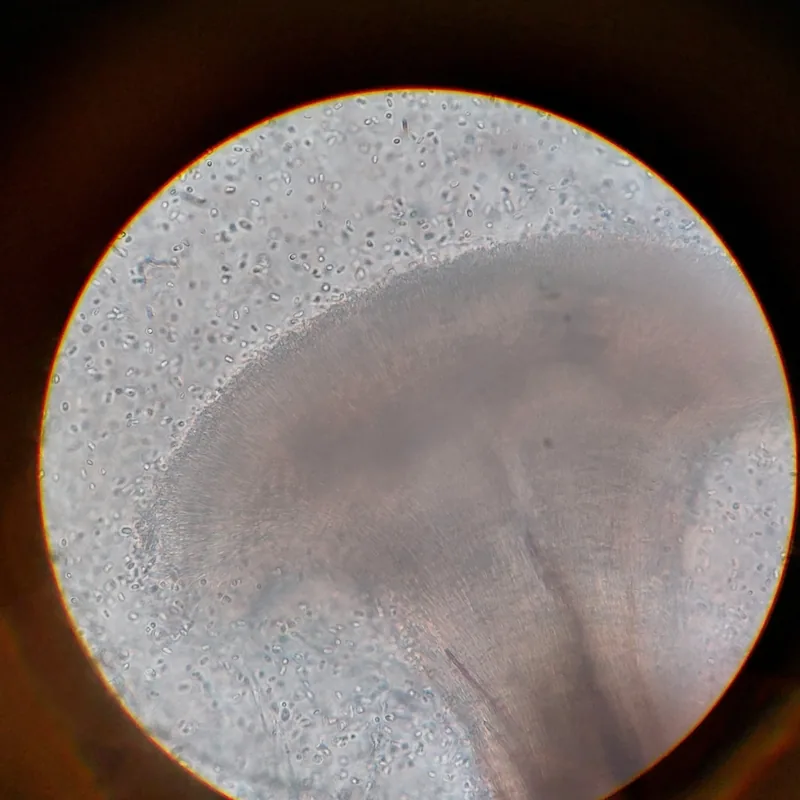
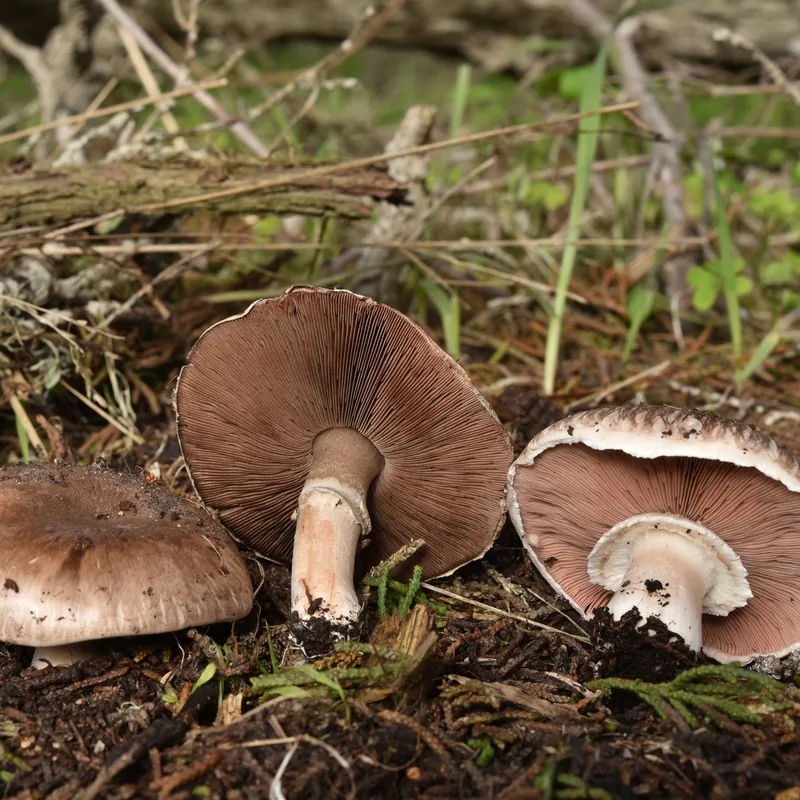
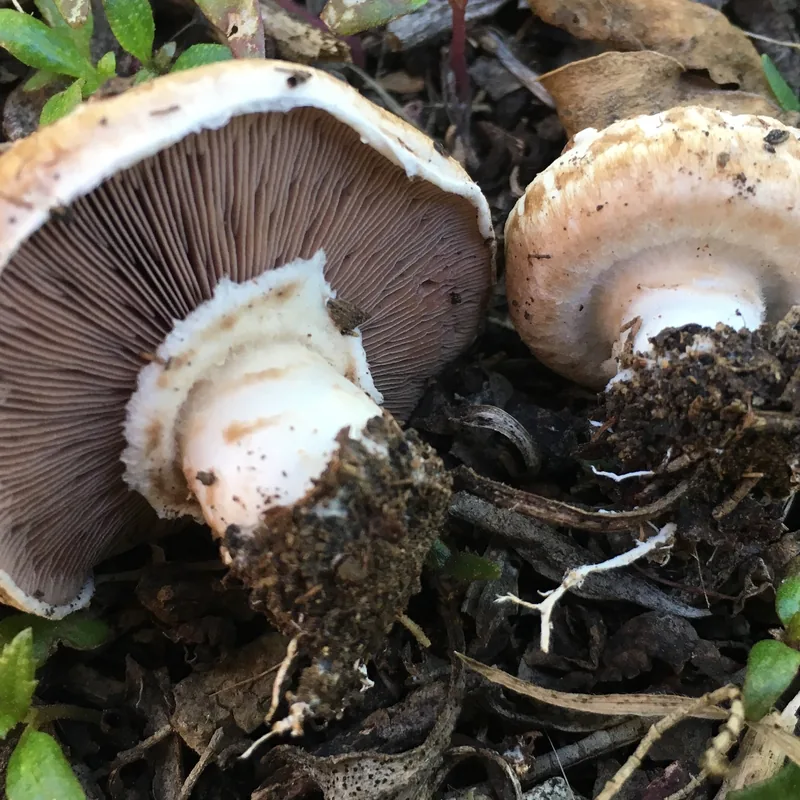
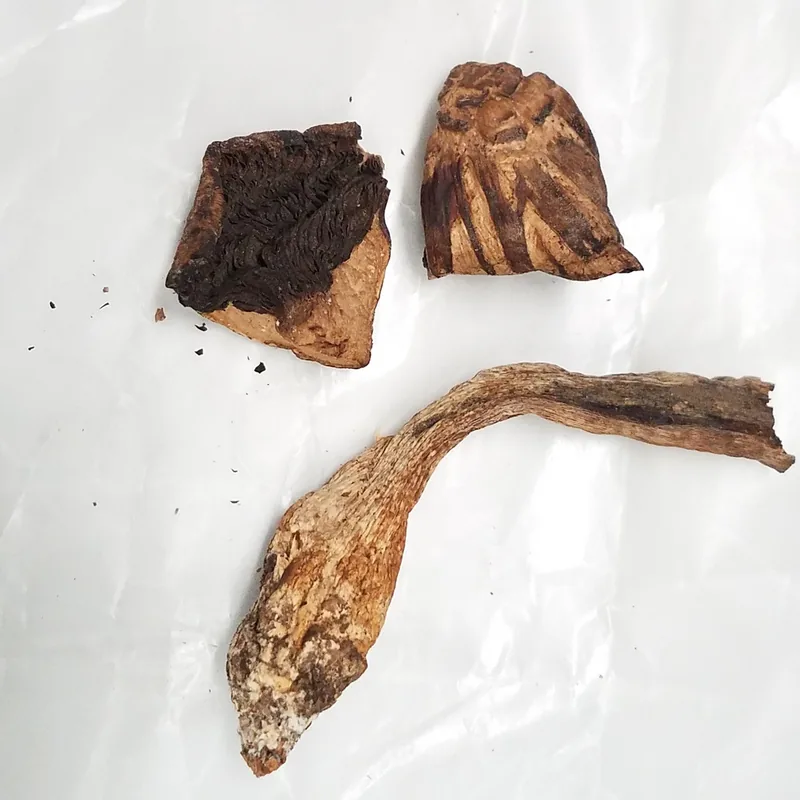
- Cap
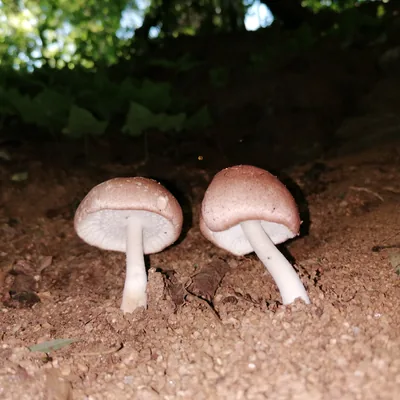
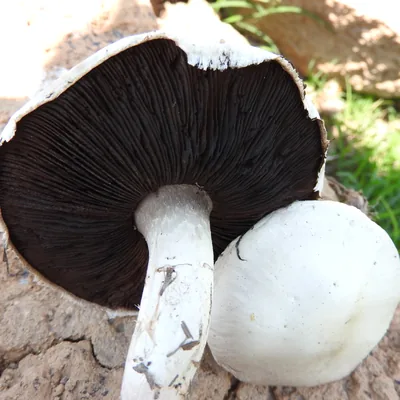
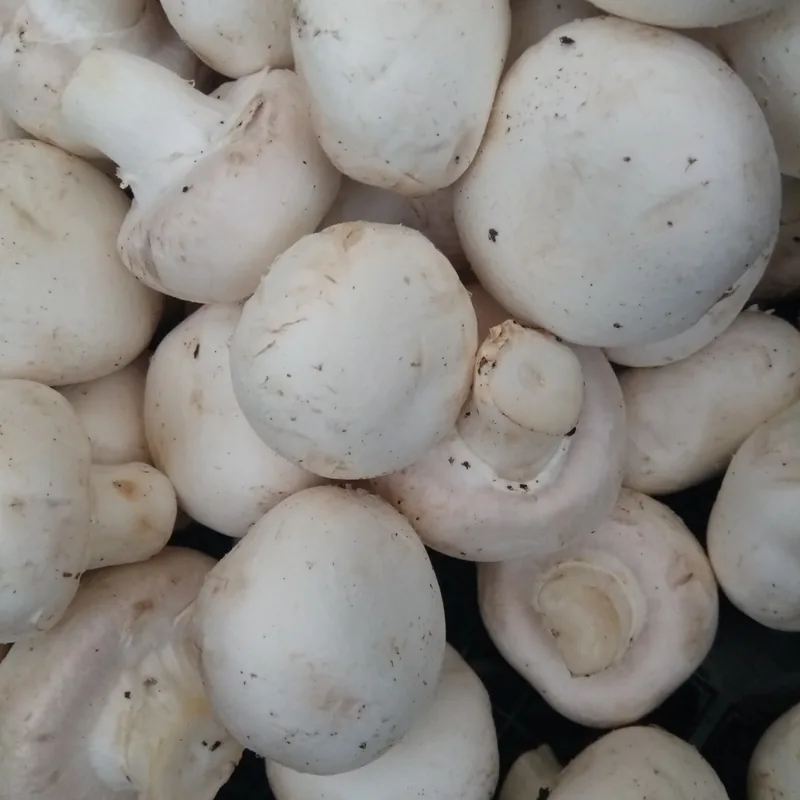
- Measures 2.5–14 cm; white in some cultivated varieties and brown in others. Described Mexican wild specimens measure 5–9 cm and change from whitish to beige and light brown, with a darker center and brown fibrils.[1][2]
- Gills
- Free from the stem and close together; pink at first, then dark brown to nearly black.[1]
- Stem
- 2–7 cm long and 1–2.5 cm thick; white, sometimes bruising reddish to brownish.[1]
- Ring
- Thin; may disappear at maturity.[1]
- Flesh
- White and firm; usually stains pinkish to reddish, then brownish.[1]
- Spore print
- Dark brown.[1]
- Smell
- Faint, mushroom-like and pleasant.[2]
Can you eat button mushroom?
It is edible. If you forage it, have a specialist confirm the species before you eat it: mistaken identification can cause serious poisoning.[2][8]
How do you grow button mushroom?
Temperature
Colonization24–27 °C
Fruiting16–18 °C
Humidity
Colonization0–90 %
Fruiting0–88 %
Full cycle: 45 days
- Light
- None
Substrates
Log your batches, temperatures and harvests. The free plan needs no card.
How do you cook button mushroom?
You can sauté it in oil or butter, roast it or grill it. Cremini is dark and firm. Use it with pasta, soups, pizza and egg; large portobello caps work well on the grill.[9][10]
Where and when does button mushroom grow?
Grows on soil in groups. In Tlaxcala it was documented beneath Cupressus trees, in potato fields or in grasslands.[2]
The cited Mexican wild collections were made in May, July, August, September and October; these are individual records.[2]
Wild occurrence is confirmed in Tlaxcala and Veracruz. Wild records also exist in North America, South America, Europe and Asia.[2]