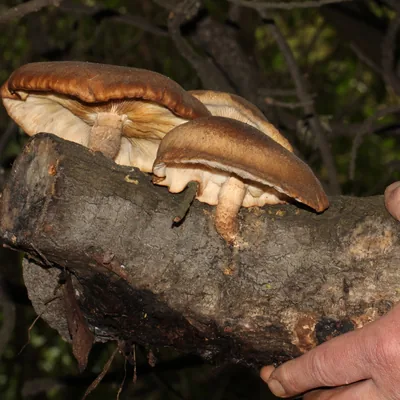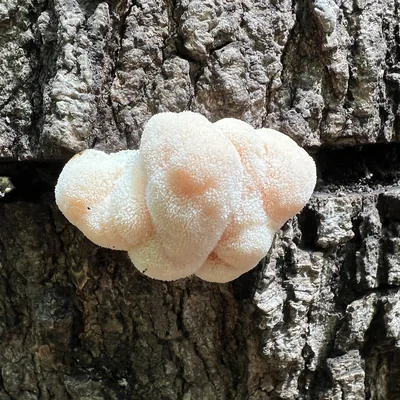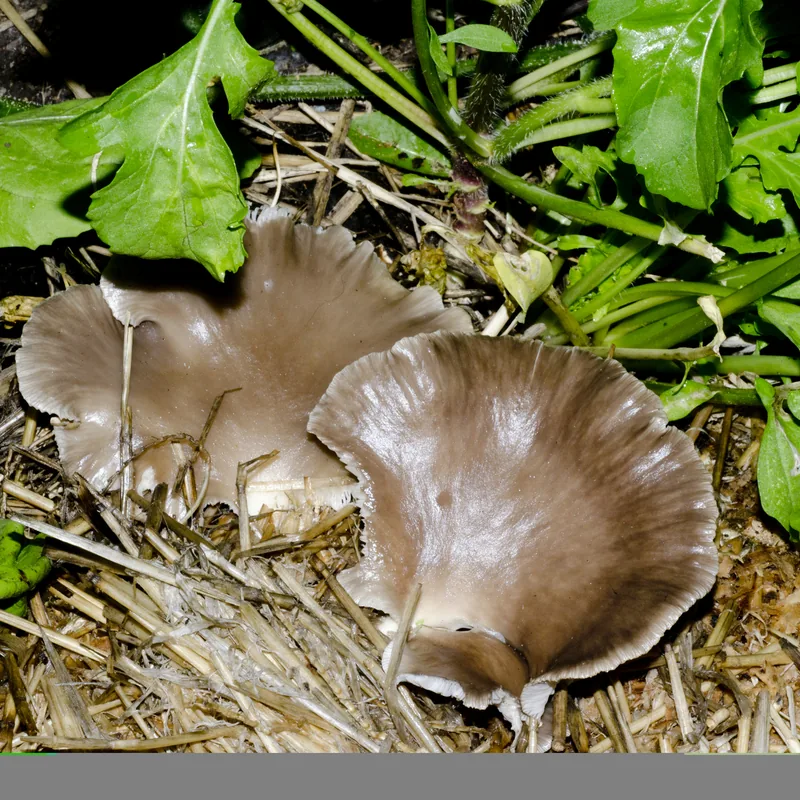
Phoenix oysterPleurotus pulmonarius
Indian oyster · Pale oyster · Summer oyster · Lung oyster · Hongo pulmón (Mexico (CONABIO EncicloVida))
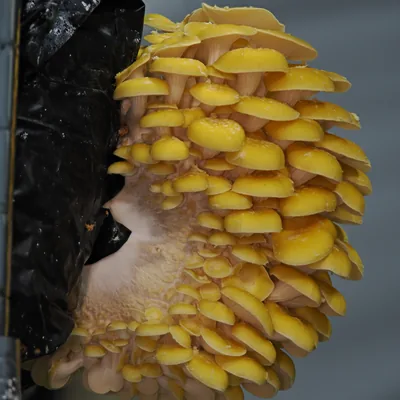
Pleurotus pulmonarius is a commercially cultivated edible mushroom in the family Pleurotaceae.[1][4][5][7]
Edible. Eat it cooked. Never eat a wild mushroom identified only from photos.
- Season in Mexico
- HabitatHardwood logs and stumps
- FlavorMild
- GrowingEasy
- FamilyPleurotaceae
How do you identify Phoenix oyster?
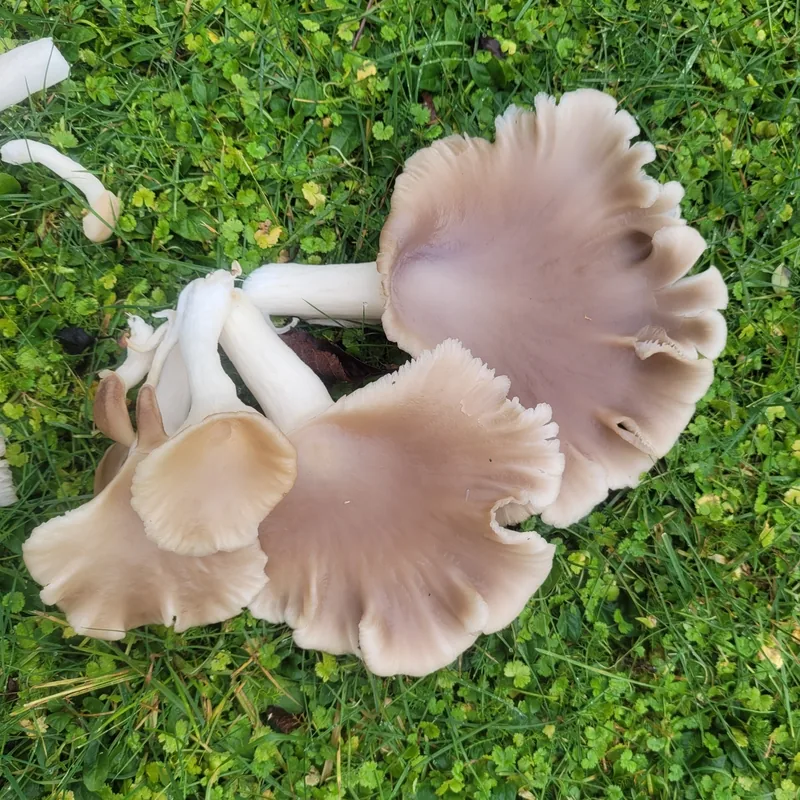
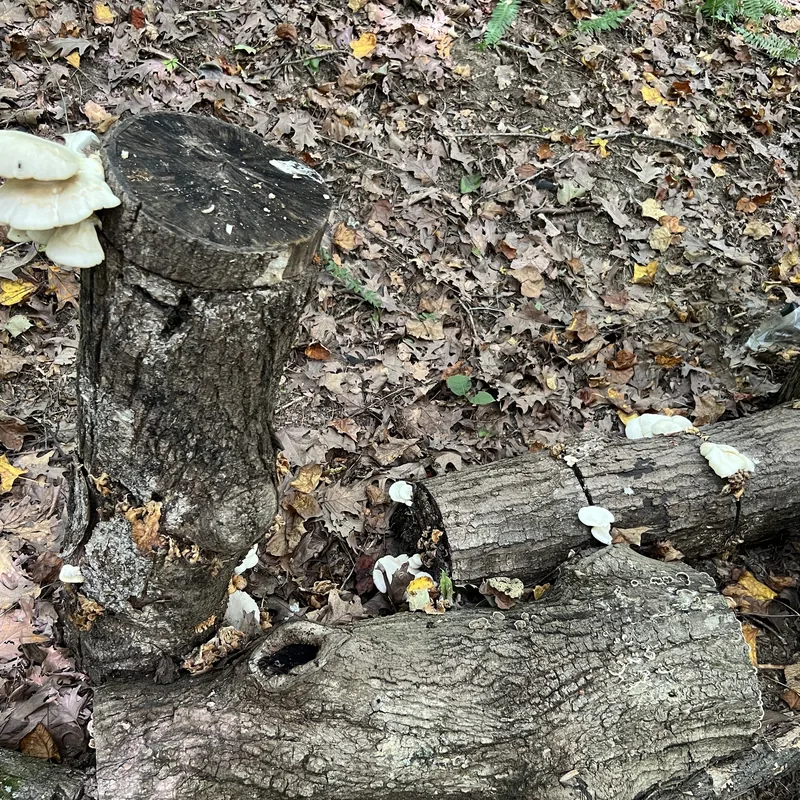
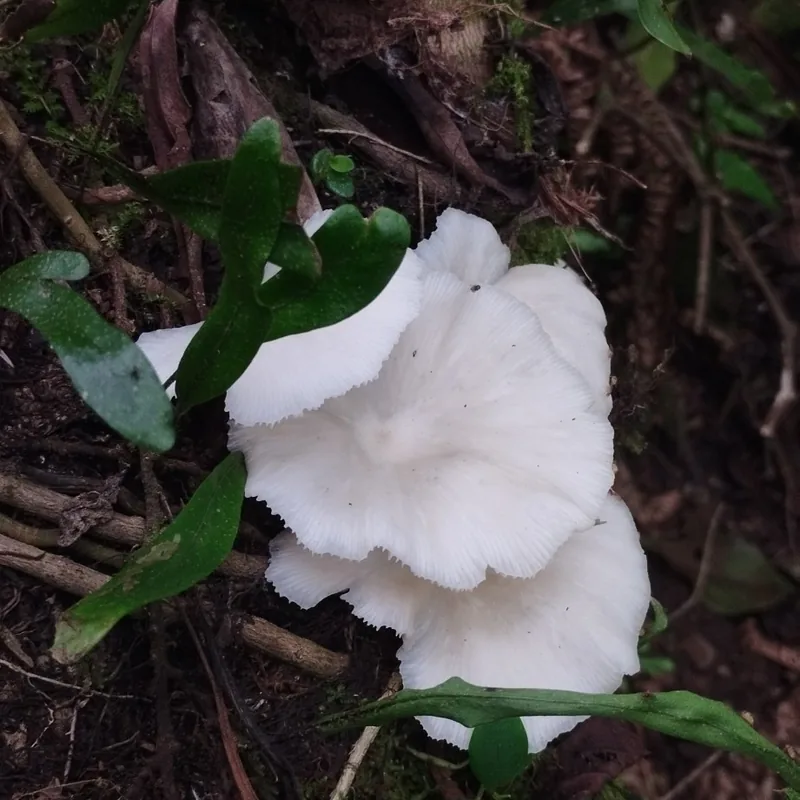
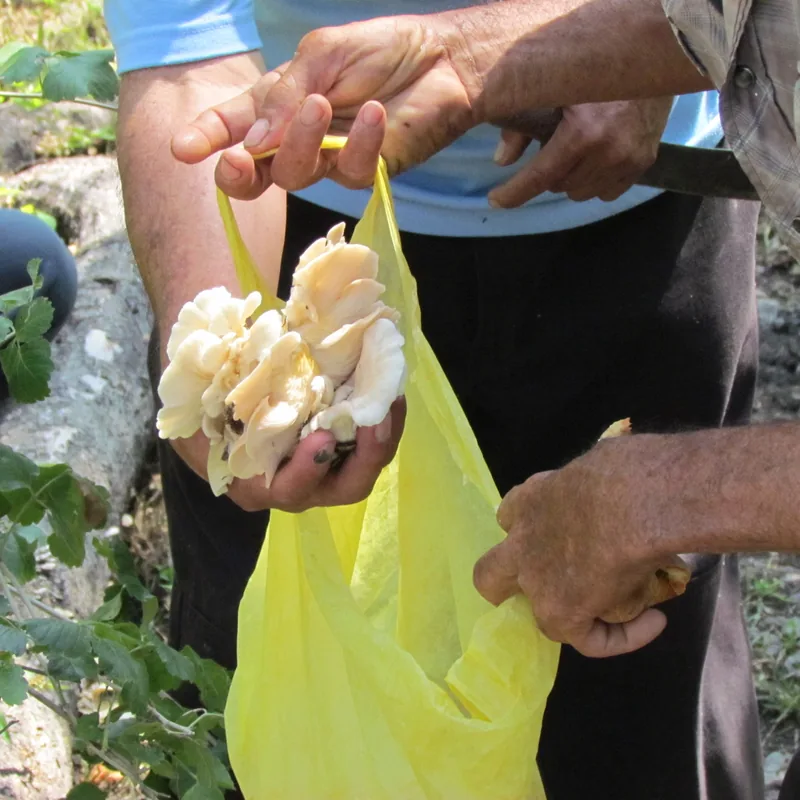
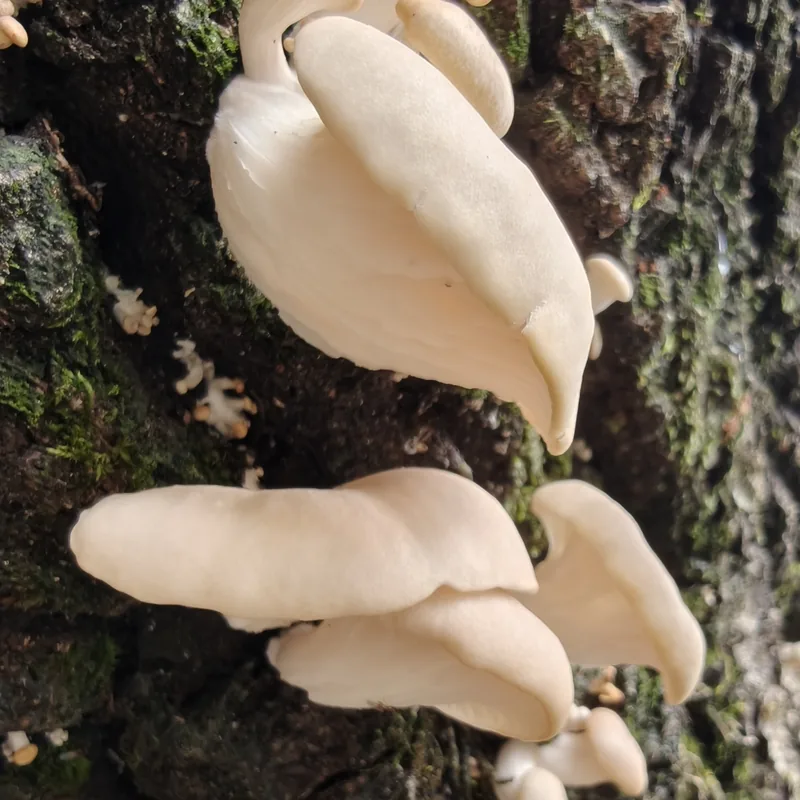
- Gills
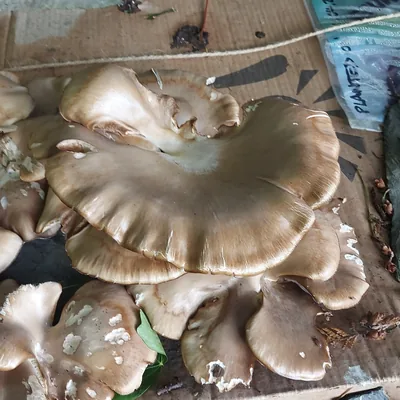
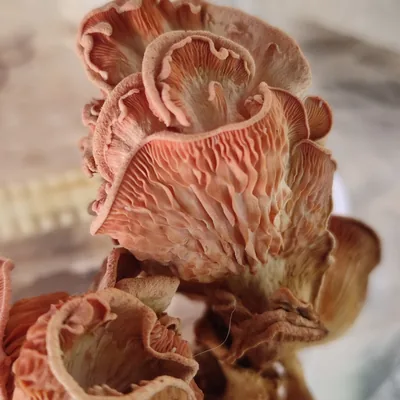
- Gills run distinctly down the stem (decurrent). They are close to nearly distant, with frequent short-gills interspersed between them. Color is whitish to pale cream, sometimes discoloring yellowish in older basidiocarps.[1]
- Spore print
- Spore print whitish, grayish, or lilac; spores smooth, cylindric-ellipsoid, 7–11 × 2–3 µm.[1]
What can Phoenix oyster be confused with?
Phoenix oyster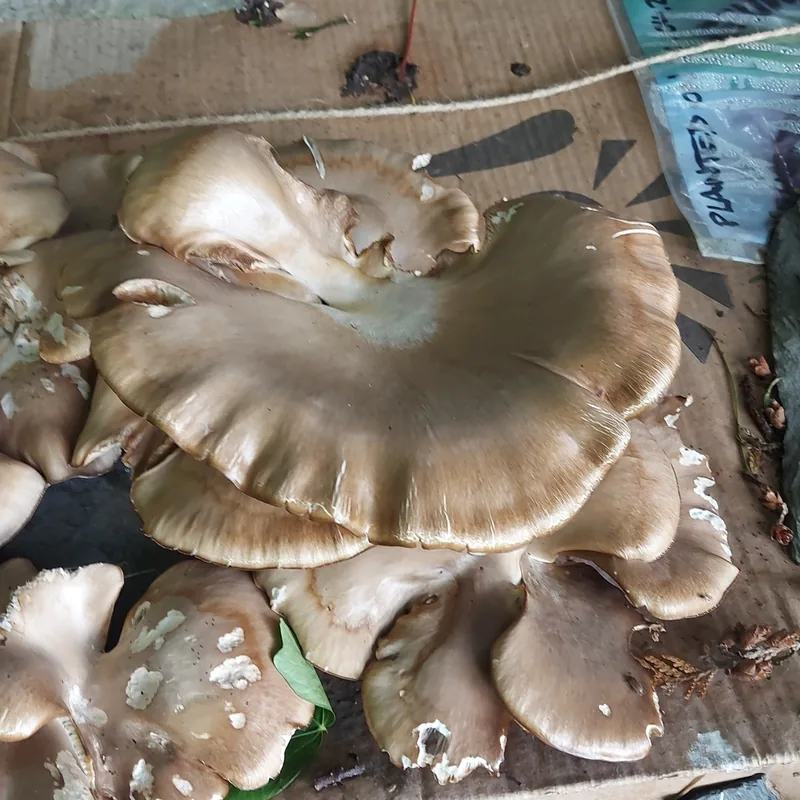 Pearl oyster
Pleurotus ostreatus
Key difference: Pleurotus ostreatus usually has larger brown caps and fruits in cold weather; cap colors can overlap.[1][2]
See page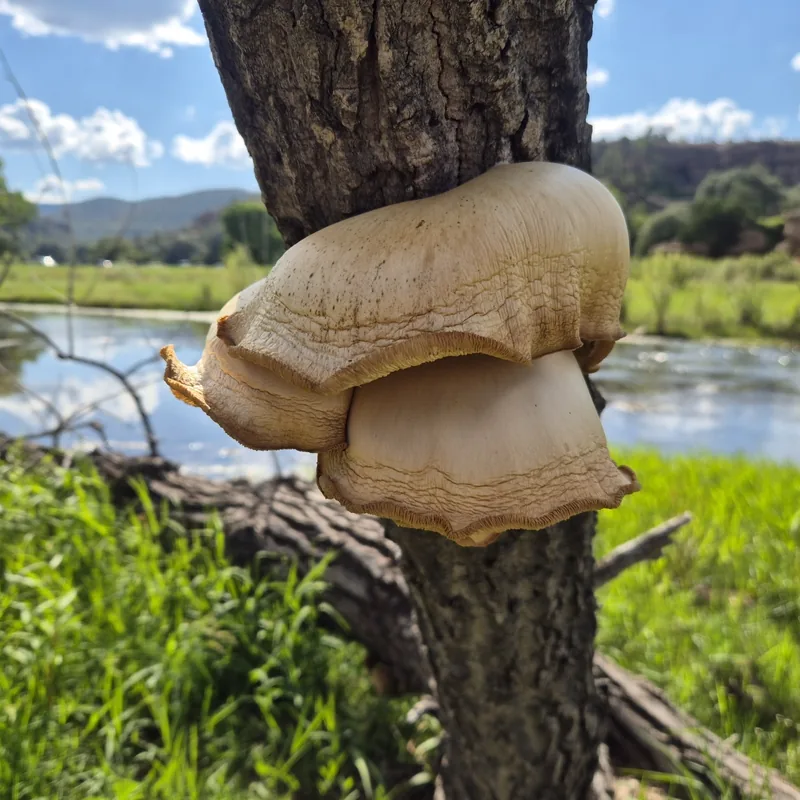
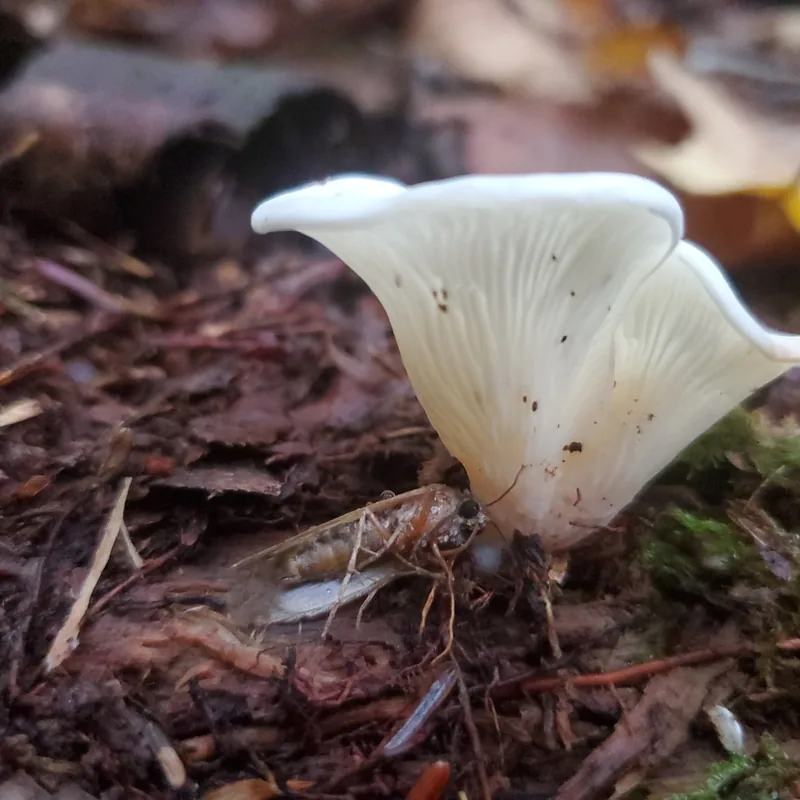
Can you eat Phoenix oyster?
Pleurotus pulmonarius is an edible mushroom cultivated commercially.[1][9][16]
How do you grow Phoenix oyster?
Temperature
Colonization24–29 °C
Fruiting18–24 °C
Humidity
Colonization0–90 %
Fruiting0–88 %
Full cycle: 24 days
- Light
- Indirect
Substrates
Woods it likes
Log your batches, temperatures and harvests. The free plan needs no card.
What does research say about Phoenix oyster?
- Cell studyExtracts and polysaccharides from Pleurotus pulmonarius demonstrate in vitro antioxidant activity through DPPH and ABTS free radical scavenging assays.[10][13]
- Cell studyCrude extracts obtained from the mushroom display in vitro antimicrobial activity against bacterial strains including Staphylococcus aureus and Bacillus cereus.[11]
- Cell studyA crude extract showed in vitro immunomodulatory effects in THP-1 monocytes and derived macrophages exposed to Cryptococcus neoformans.[12]
These findings describe research. None of them is a recommendation to use it. If you take medication or have a disease, talk to your doctor.
Where and when does Phoenix oyster grow?
It is saprobic and causes white rot in hardwood.[1][4][9]
S1 describes fruiting from late April through September in North America.[1][4][9]
S7 reports the species in Europe, Asia, and North America. S8 documents Mexican wild strains.[4][6][8]
Names in Mexico
About the name
Elias Magnus Fries described the species in 1821 as Agaricus pulmonarius, and Lucien Quélet transferred it to Pleurotus in 1872. Commercial cultivation facilities frequently sold strains under the synonym Pleurotus ostreatus var. florida or mislabeled them as Pleurotus sajor-caju.[1][5][7][9]