Skip to content
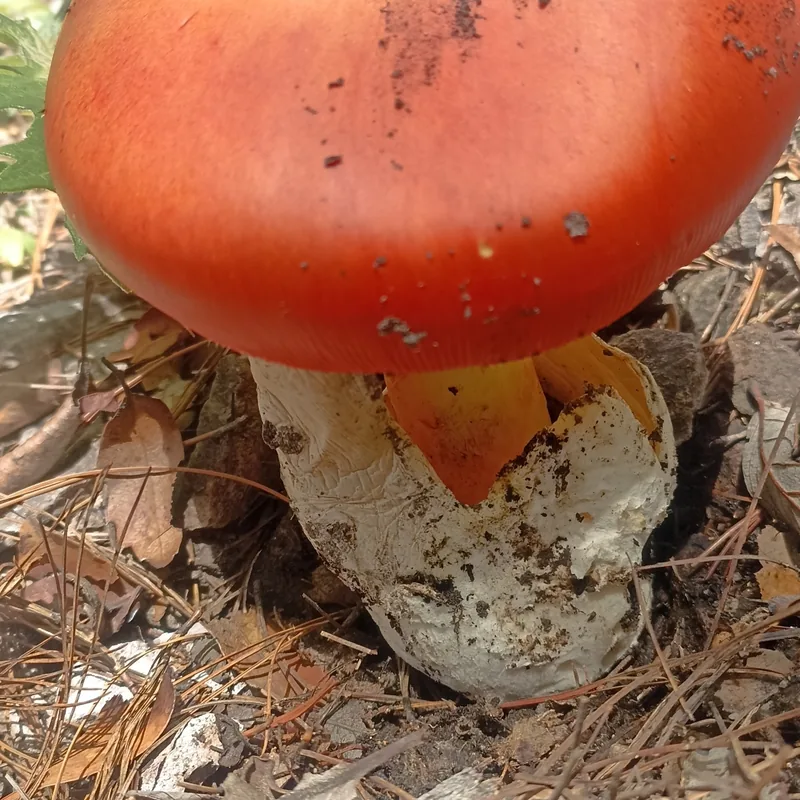
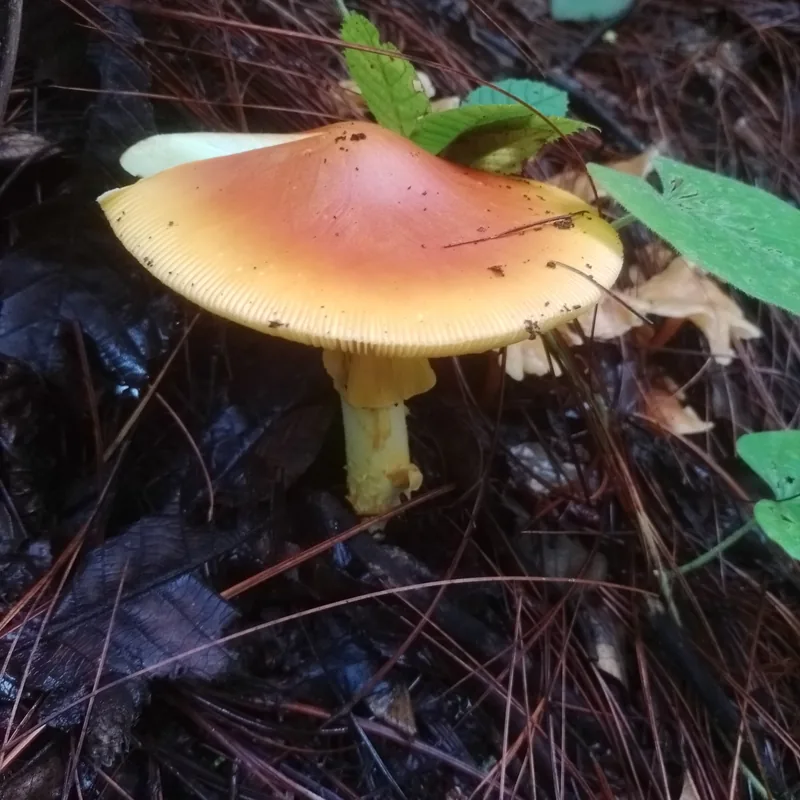
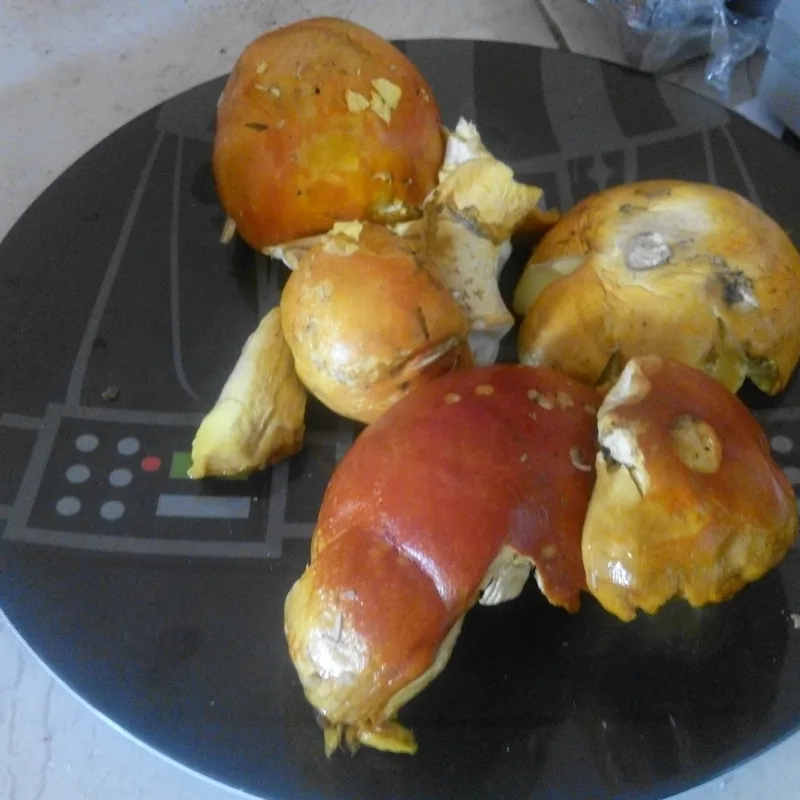
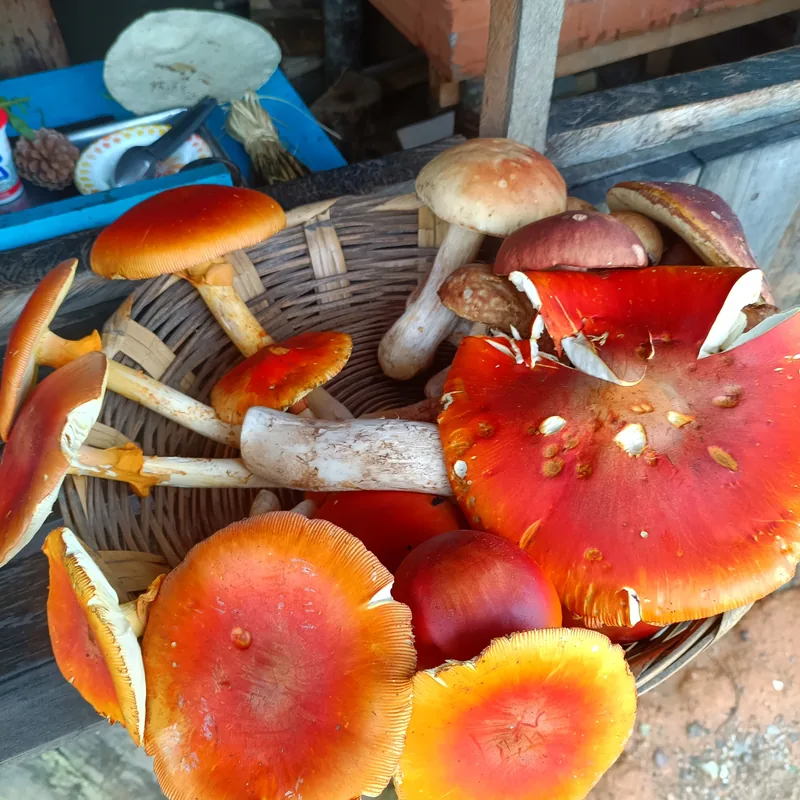
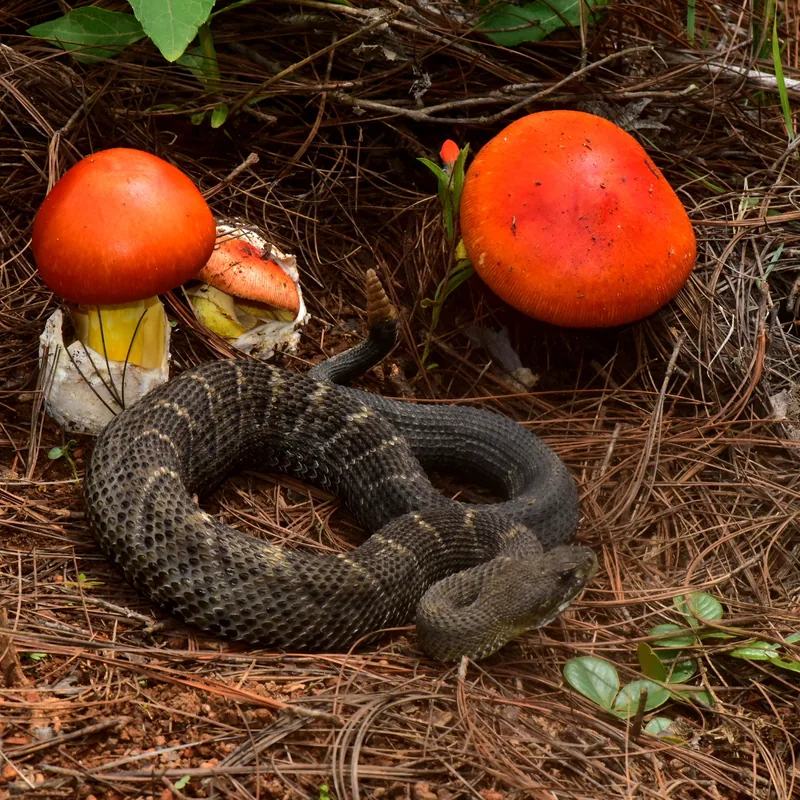
Amarillo (Amanita basii), photo
Photo
Wild in Mexico

AmarilloAmanita basii

Hongo de oro · Jícara · Hongo flor · Amarillo · Jícara amarilla · Ahuevadito

Amanita basii is a wild edible mushroom in Mexico's Amanita caesarea complex. It grows in association with pines and oaks. Using it as food requires expert identification because poisonous amanitas can resemble it.[3][4][8]

Edible with caution. Eat it only well cooked and with a sure ID. Never eat a wild mushroom identified only from photos.

  • Season in Mexico
  • HabitatPine and oak forests
  • FamilyAmanitaceae

How do you identify Amarillo?
Cap
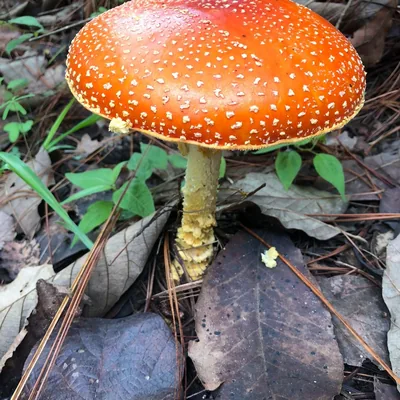
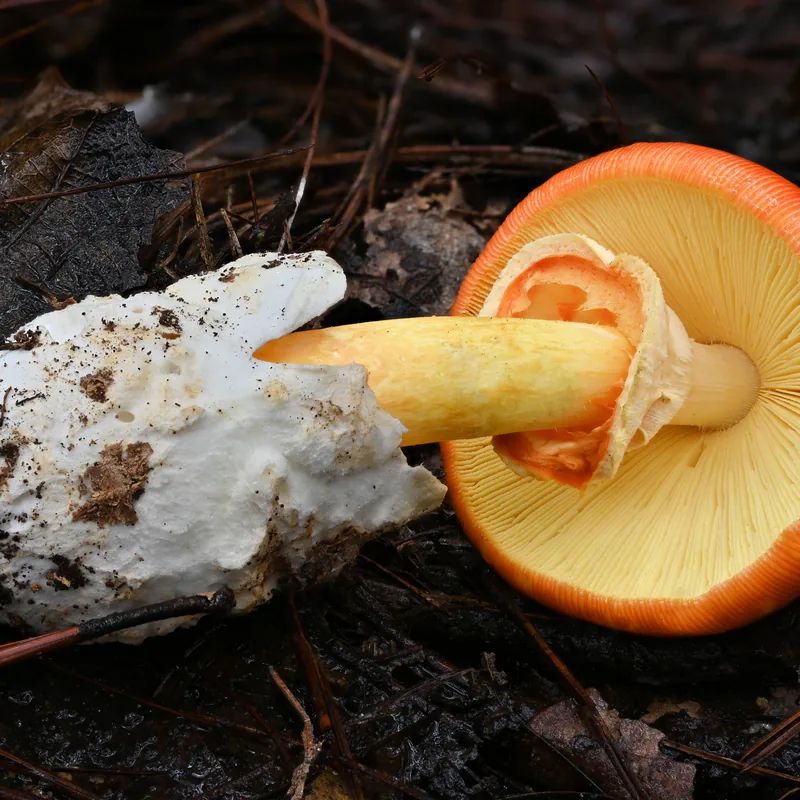
Yellow-orange in the specimens described from Ixtlán.[4]
Gills
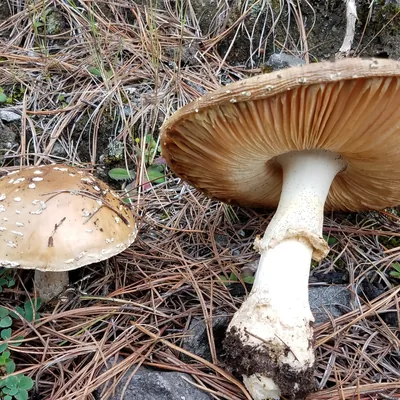
Yellow gills beneath the cap.[4]
Ring
A yellow ring on the stem.[4]
Egg stage
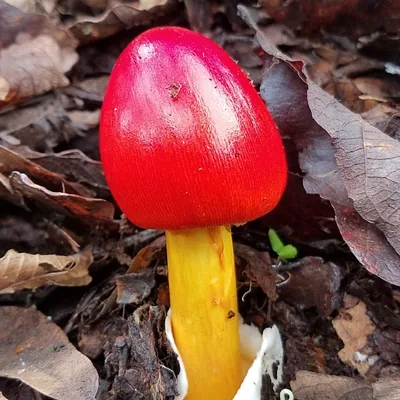
The young fruiting body emerges from an egg-shaped structure.[4]
Development
The cap first appears as a ball and then opens.[3]

Can you eat Amarillo?

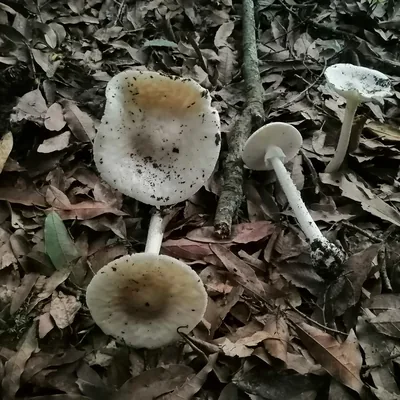
Its use as food is documented in Mexico. Eat only specimens identified by a mushroom expert. The egg stage of the amarillo requires expert identification: white amanitas include deadly species.[3][4][7][8][9]

Where and when does Amarillo grow?

An ectomycorrhizal mushroom that grows on the ground. Records from Ixtlán place it in pine-oak forests, especially clearings and forest edges associated with Quercus.[4][5]

Late June through October in Ixtlán, Oaxaca. This interval describes the local rainy-season record.[4]

Documented in Mexico and Guatemala. The Mexican states listed here have records in the cited Mexican sources; this is a partial list.[2][4][5][11]

Baja CaliforniaBCSonoraSONChihuahuaCHHCoahuilaCOANuevo LeónNLBaja California SurBCSSinaloaSINDurangoDURZacatecasZACSan Luis PotosíSLPTamaulipasTAMNayaritNAYJaliscoJALAguascalientesAGSGuanajuatoGTOQuerétaroQROHidalgoHGOColimaCOLMichoacánMICEstado de MéxicoMEXCiudad de MéxicoCDMXTlaxcalaTLXVeracruzVERYucatánYUCGuerreroGROMorelosMORPueblaPUETabascoTABCampecheCAMQuintana RooROOOaxacaOAXChiapasCHP
States with records (2/32): Tlaxcala, Oaxaca

See the mushroom map

Names in Mexico

About the name

Amanita basii belongs to the Amanita caesarea complex. Traditional names can cover several species in this group.[4][5]
Fun facts

  • K’axjo means yellow mushroom in the Ñuhmu language of Ixtenco.[3]
  • In Santiago Comaltepec, Amanita basii and Amanita laurae share the name Níẗ kua´ jnéë.[5]

Frequently asked questions

Sources

  1. Hongo de oro (Amanita basii)
  2. Estudio ecológico y frecuencia de mención de los hongos silvestres en el Parque Nacional La Malinche, Tlaxcala
  3. Los hongos conocidos por la comunidad Yuhmu de Ixtenco, Tlaxcala, México
  4. Análisis de la relación entre la disponibilidad del recurso fúngico y la importancia cultural de los hongos en los bosques de pino-encino de Ixtlán, Oaxaca
  5. Conocimiento tradicional de hongos de importancia biocultural en siete comunidades de la región chinanteca del estado de Oaxaca, México
  6. Amanita bisporigera (MushroomExpert.Com)
  7. Amanita bisporigera at Indiana Mushrooms
  8. Wild Mushroom Safety: Identification, Cooking, and Poison Awareness
  9. The Mycophile Quarterly — April May June 2024
  10. Amanita Sect. Caesareae (Section Caesareae)
  11. Ethnomycological knowledge among Kaqchikel, indigenous Maya people of Guatemalan Highlands

Written with AI help from the cited sources. A second model checked every fact against those sources and removed what they did not support.

Image credits

Photos are under free licenses (CC0, CC BY or CC BY-SA).

Related mushrooms