Skip to content
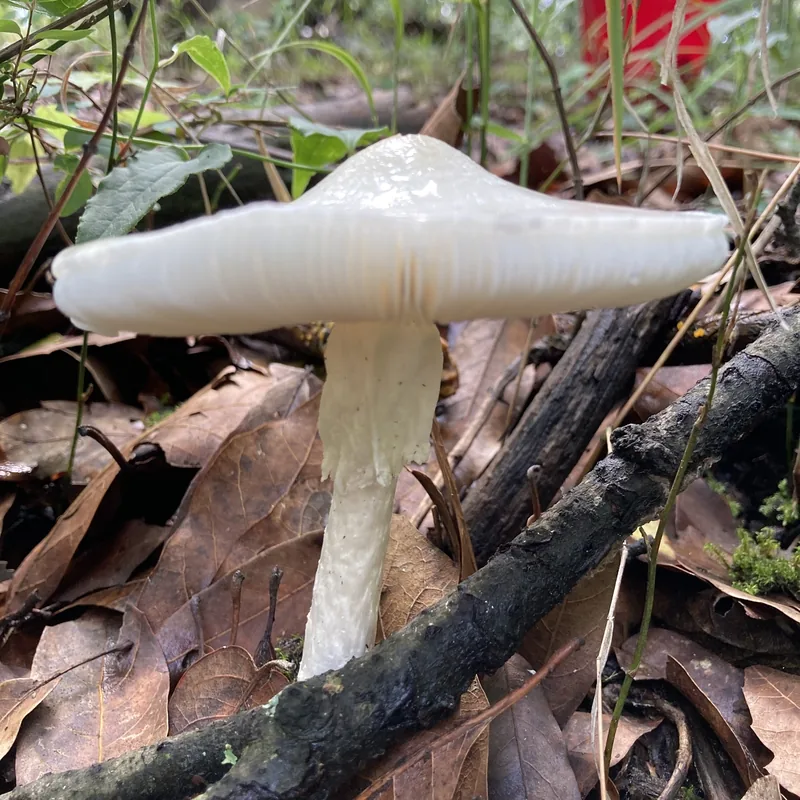
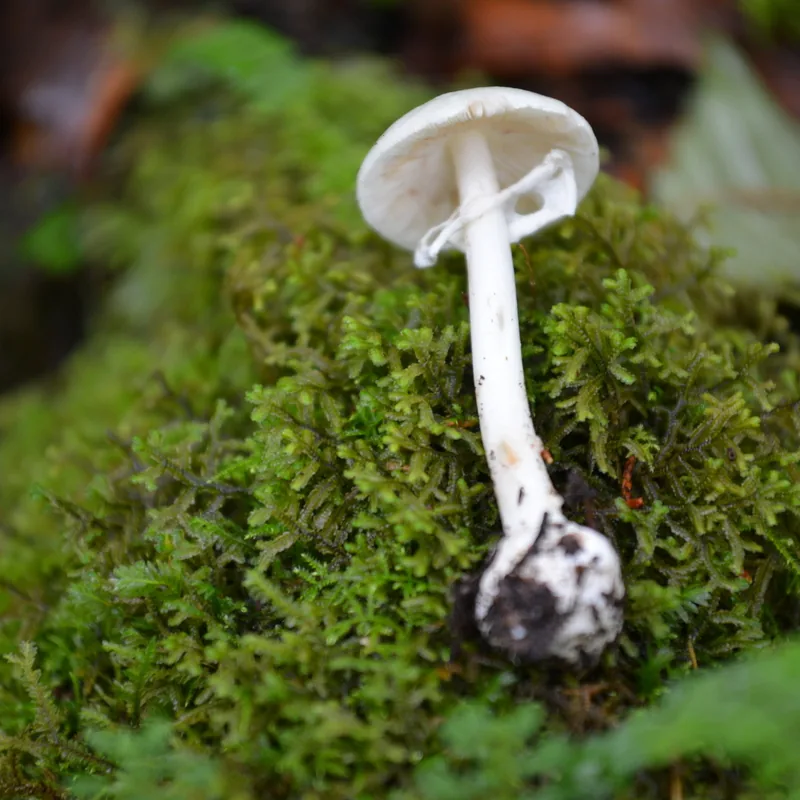
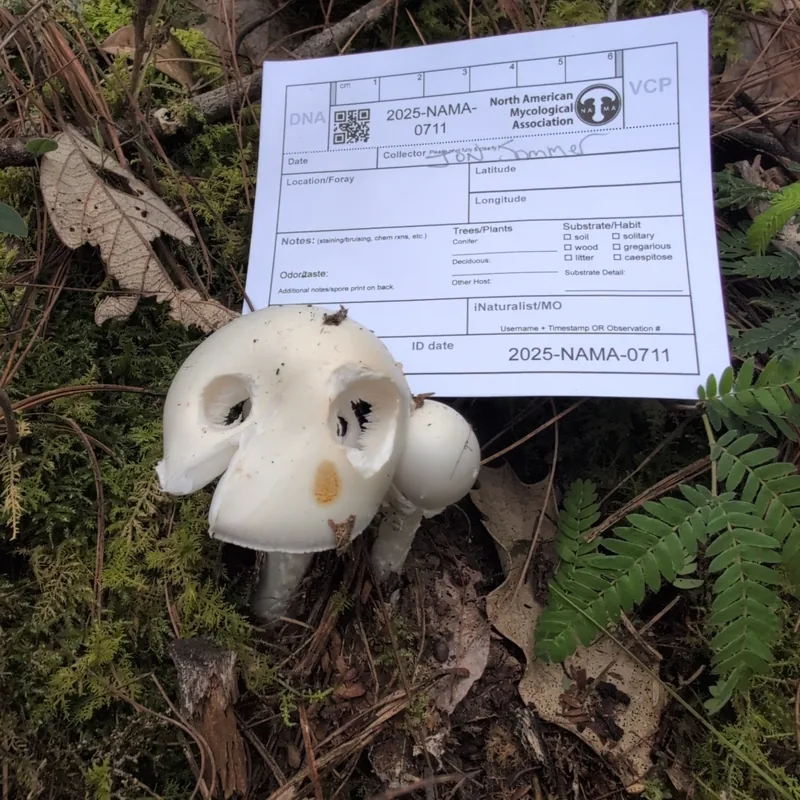
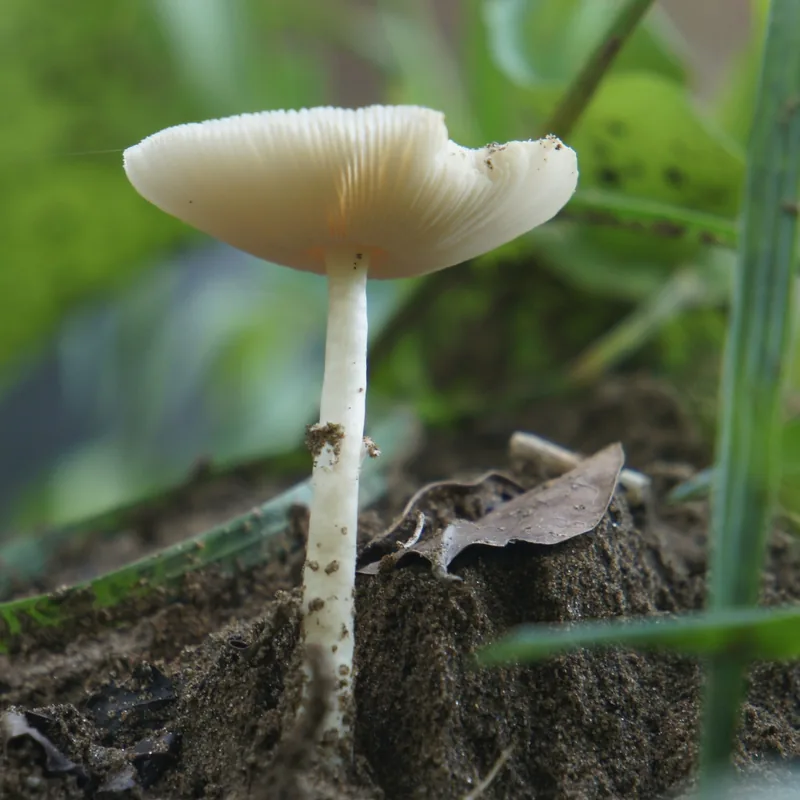
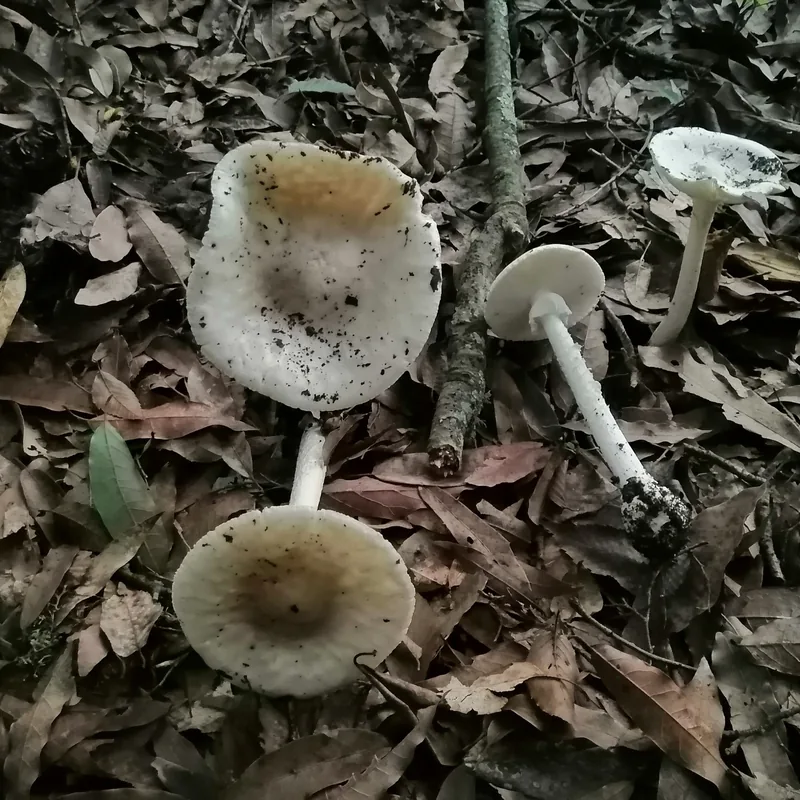
Destroying angel (Amanita bisporigera), photo
Photo
Poisonous

Destroying angelAmanita bisporigera

Amanita bisporigera is a white, deadly poisonous mushroom. It grows in association with oaks and has records in Mexico. Its resemblance to edible mushrooms makes recognizing it important.[2][3][5]

Deadly. A single serving can kill. Never eat a wild mushroom identified only from photos.

  • Season in Mexico
  • HabitatWoodlands with oaks
  • FamilyAmanitaceae

What happens if someone eats Destroying angel?

Did someone eat a wild mushroom and feel sick? Call emergency services and bring a sample of the mushroom.

Toxins
Contains amatoxins, including alpha-amanitin, and phallotoxins such as phallacidin. Amatoxins block RNA synthesis and damage the liver and kidneys.
When symptoms start
The first symptoms usually appear 6-24 hours after eating it.
What to do
Call your poison center or emergency services immediately and seek hospital care. Act even if you still feel well; do not wait for symptoms. Take a mushroom sample for identification. Secure medical help first.
[4][6][7][8]

How do you identify Destroying angel?
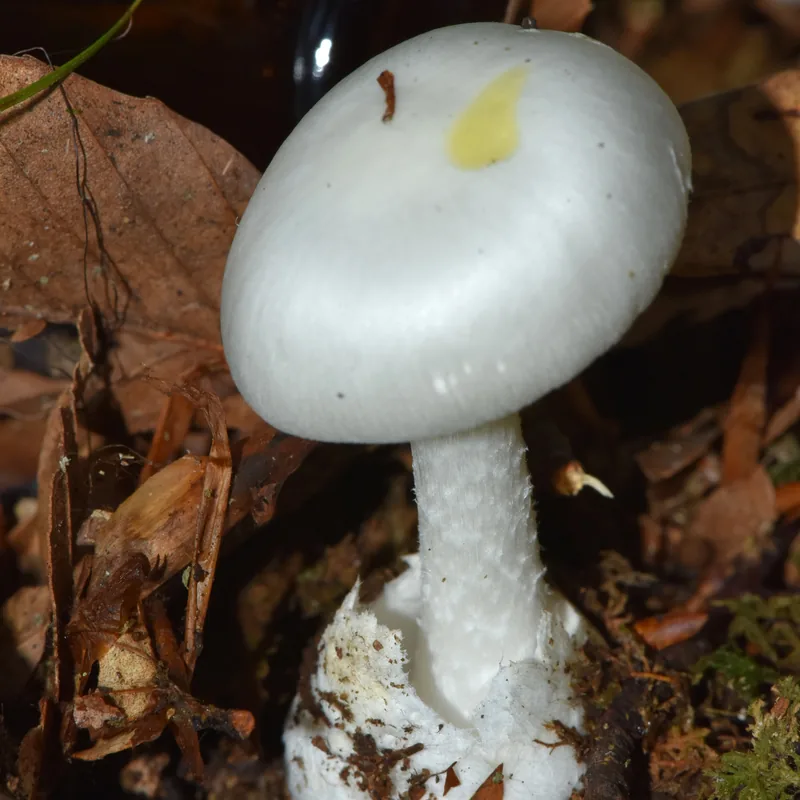
Cap
2.5-10 cm; white to ivory, smooth, becoming convex to nearly flat.[2]
Gills
White, close, and free or nearly free from the stem.[2]
Stem
White: 5.5-14 cm long and 0.5-2 cm thick.[2]
Ring and volva
A hanging ring and a white, sacklike volva around the base.[2][10]
Flesh
White.[2]
Spore print
White.[10]

Can you eat Destroying angel?

Deadly poisonous. Avoid eating it. Its amatoxins withstand cooking.[5][6][7]

Where and when does Destroying angel grow?

Forms mycorrhizal associations with oaks.[2]

Summer and fall in eastern North America. Fruiting months in Mexico remain unconfirmed.[2]

Distributed in eastern North America. Mexican literature records it in Sonora and Baja California Sur.[2][3]

Baja CaliforniaBCSonoraSONChihuahuaCHHCoahuilaCOANuevo LeónNLBaja California SurBCSSinaloaSINDurangoDURZacatecasZACSan Luis PotosíSLPTamaulipasTAMNayaritNAYJaliscoJALAguascalientesAGSGuanajuatoGTOQuerétaroQROHidalgoHGOColimaCOLMichoacánMICEstado de MéxicoMEXCiudad de MéxicoCDMXTlaxcalaTLXVeracruzVERYucatánYUCGuerreroGROMorelosMORPueblaPUETabascoTABCampecheCAMQuintana RooROOOaxacaOAXChiapasCHP
States with records (2/32): Sonora, Baja California Sur

See the mushroom map

About the name

Amanita virosa is a name of European origin that has been widely applied to white North American amanitas. Mexican literature records Amanita bisporigera, Amanita verna, and Amanita virosa in Sonora as species that cause phalloid poisoning; no poisoning cases are known in that state. These uses of the name require care when comparing records.[3][10]
Fun facts

  • Its genes directly encode alpha-amanitin and phallacidin precursors, which are produced on ribosomes.[4]
  • Amanitin has been detected in the cap, gills, stem, and universal veil.[12]

Frequently asked questions

Sources

  1. Hongo ángel destructor (Amanita bisporigera)
  2. Amanita bisporigera (MushroomExpert.Com)
  3. Macromicetos tóxicos de Sonora, México
  4. Gene family encoding the major toxins of lethal Amanita mushrooms
  5. Amatoxin Mushroom Toxicity
  6. Amanita phalloides Mushroom Poisonings — Northern California, December 2016
  7. Mushroom Poisonings
  8. Mushroom Poisoning Syndromes
  9. Leucoagaricus leucothites (MushroomExpert.Com)
  10. The destroying angel
  11. Agaricus campestris at Indiana Mushrooms
  12. Colocalization of amanitin and a candidate toxin-processing prolyl oligopeptidase in Amanita basidiocarps

Written with AI help from the cited sources. A second model checked every fact against those sources and removed what they did not support.

Image credits

Photos are under free licenses (CC0, CC BY or CC BY-SA).

Related mushrooms