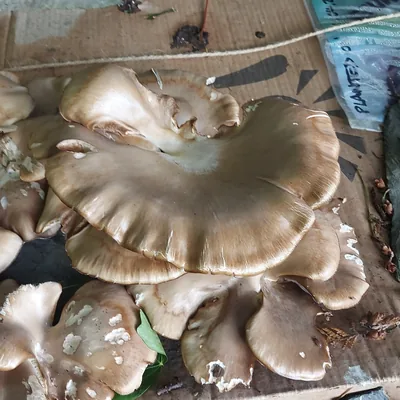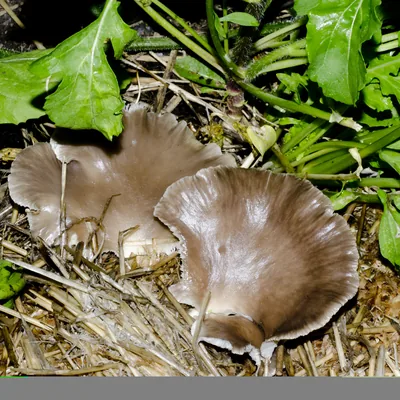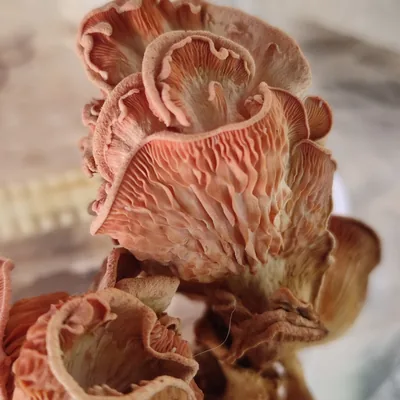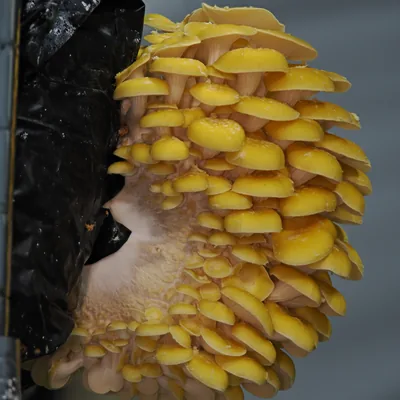
PioppinoCyclocybe cylindracea
black poplar mushroom
Cyclocybe cylindracea is an edible mushroom eaten as pioppino. In the wild, it breaks down the wood of deciduous trees, especially poplars and willows. People look it up for cooking uses and identification.[2][4][5]
Edible. Eat it cooked. Never eat a wild mushroom identified only from photos.
- Season in Mexico
- HabitatPoplar and willow wood
- FlavorUmami and aromatic
- GrowingMedium
- FamilyTubariaceae
How do you identify pioppino?

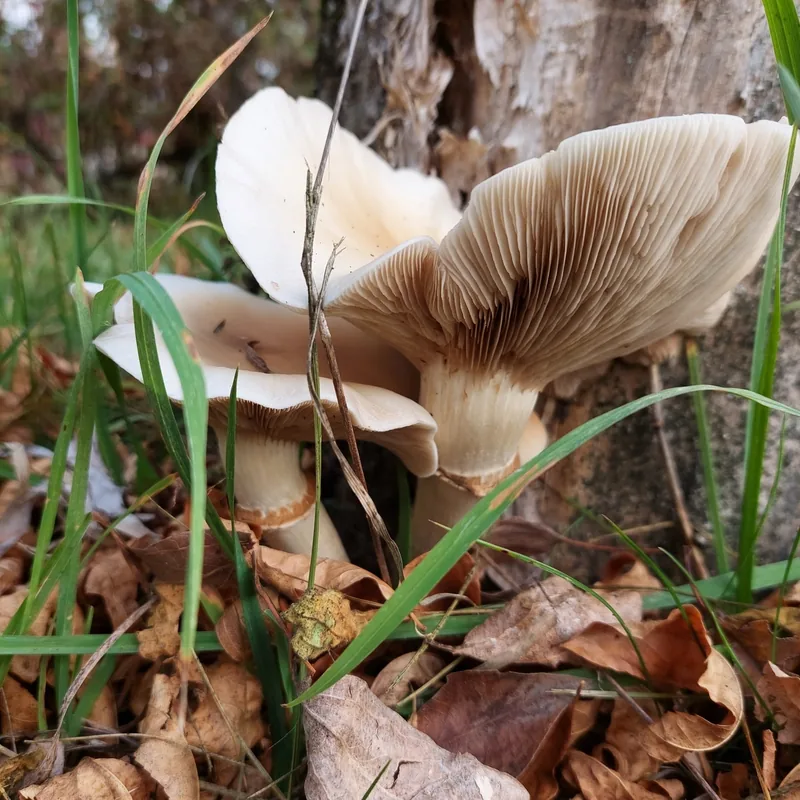
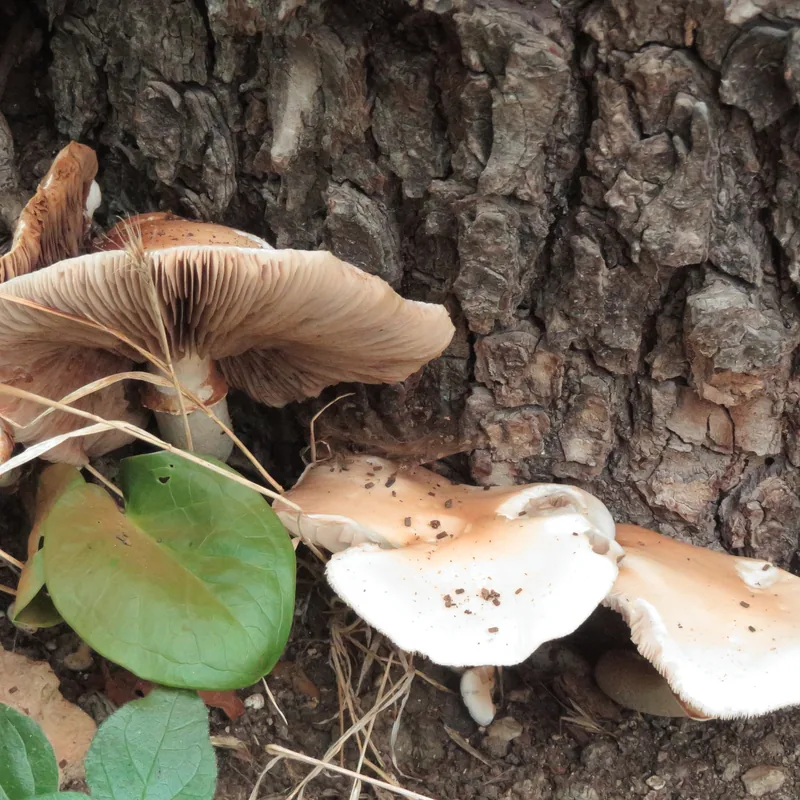
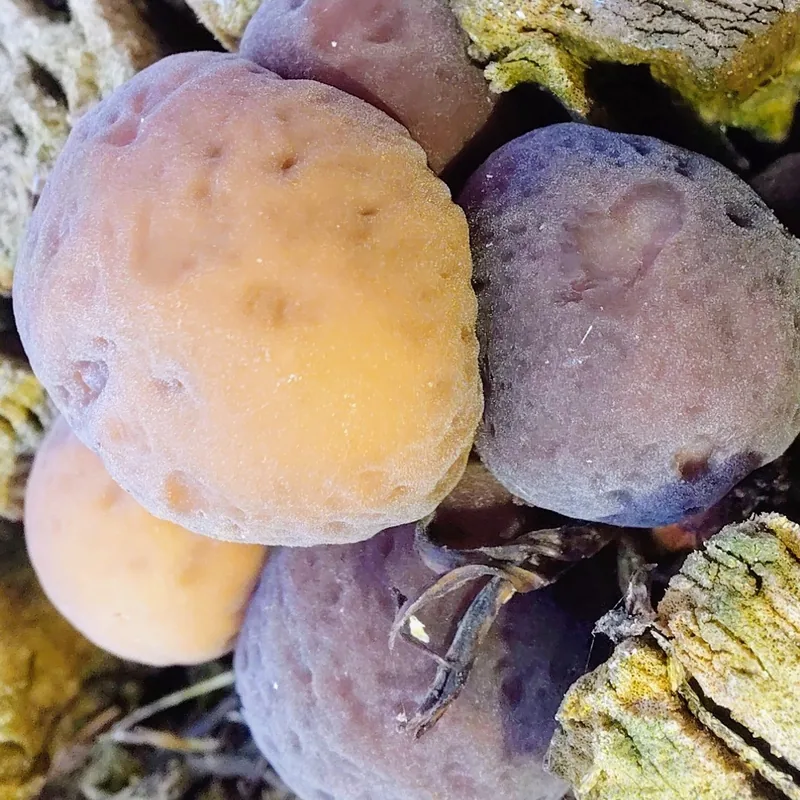
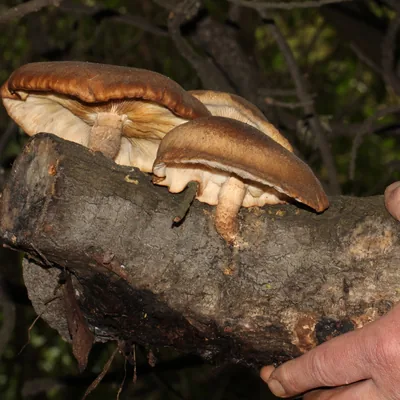
- Cap
- Hemispherical or convex, becoming flat; initially brown and becoming paler as it matures. Wild specimens can reach 15 cm.[3][12]
- Gills
- White when young, becoming brown or dark brown at maturity.[3]
- Stem
- Solid and fibrous, white or very pale brown.[3]
- Ring
- Broad and membranous, initially white; spores turn it brown.[3]
- Spore color
- Tobacco brown.[3]
- Cultivated appearance
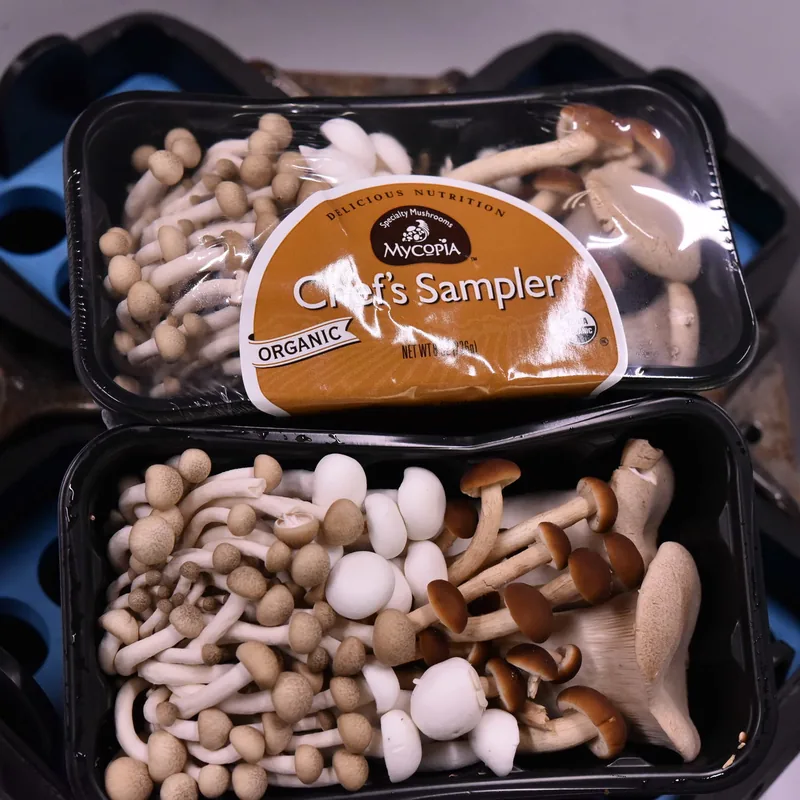
- Cultivated specimens include immature mushrooms with closed caps and mature mushrooms with expanded caps.[4]
Can you eat pioppino?
Edible. Before eating wild specimens, seek expert identification that checks several characters.[4][14]
How do you grow pioppino?
Temperature
Colonization21–27 °C
Fruiting13–18 °C
Humidity
Colonization0–95 %
Fruiting0–92 %
Full cycle: 45 days
- Light
- Indirect
Substrates
Log your batches, temperatures and harvests. The free plan needs no card.
How do you cook pioppino?
You can cook it in stir-fries, soups, stews, and hot pot, using fresh or rehydrated mushrooms. It has a delicate, crisp texture.[7][10]
Where and when does pioppino grow?
It grows on dead wood of deciduous trees, especially Populus and Salix. It causes white rot.[4]
Studies split it into a European lineage and an Asian lineage; the Asian one may be a species complex.[4][5]
About the name
Index Fungorum accepts Cyclocybe cylindracea and links Agrocybe aegerita to that name. Published studies also use Cyclocybe aegerita and identify unresolved taxonomic boundaries within the complex.[1][2][4]