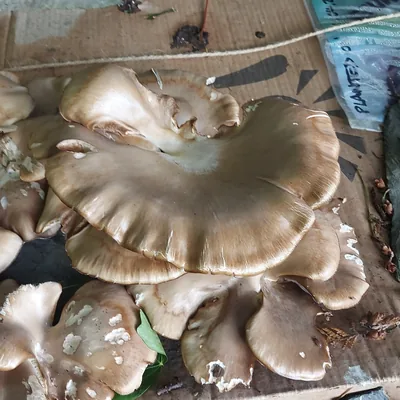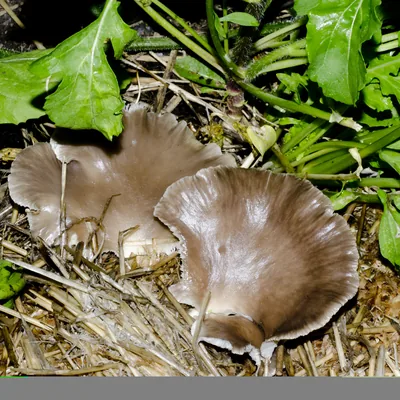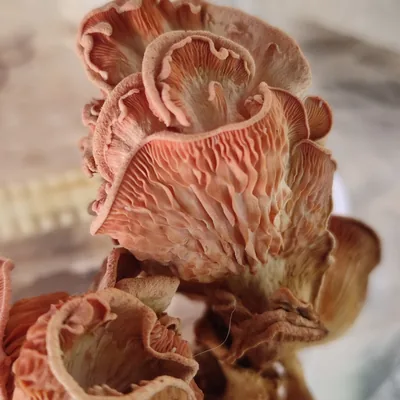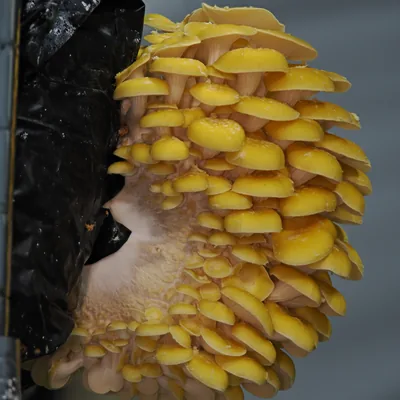
EnokiFlammulina velutipes
velvet shank
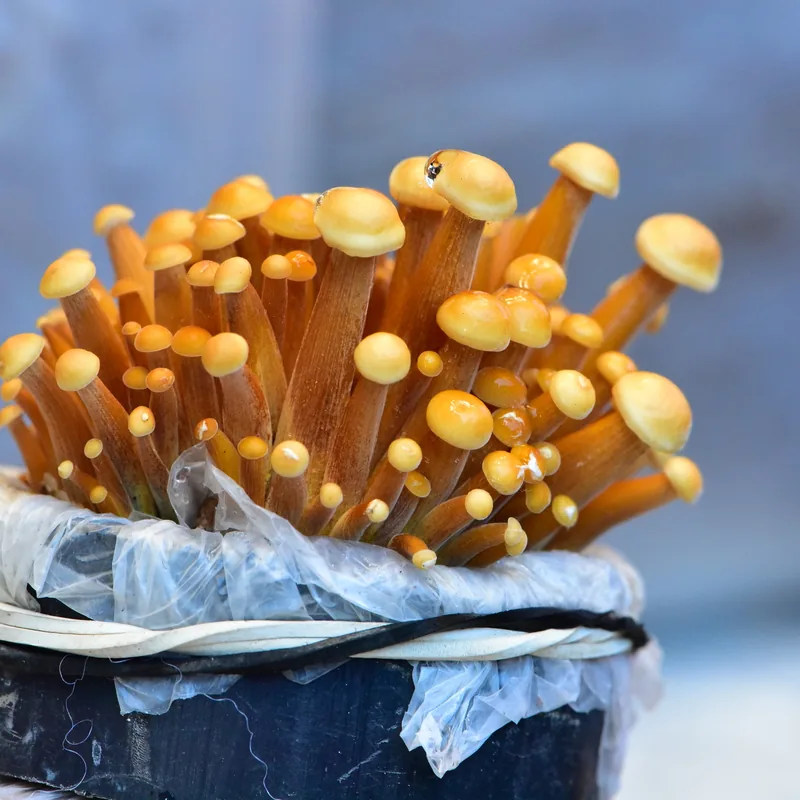
Flammulina velutipes is an edible wood-growing mushroom known in Mexico as enoki or hongo de invierno. Its name appears in cooking and wild identification guides; the commercial Asian enoki belongs to the species Flammulina filiformis.[8][2][6]
Edible. Eat it cooked. Never eat a wild mushroom identified only from photos.
- Season in Mexico
- HabitatWood of trees
- FlavorMild and delicate
- GrowingMedium
- FamilyPhysalacriaceae
How do you identify enoki?
- Wild cap
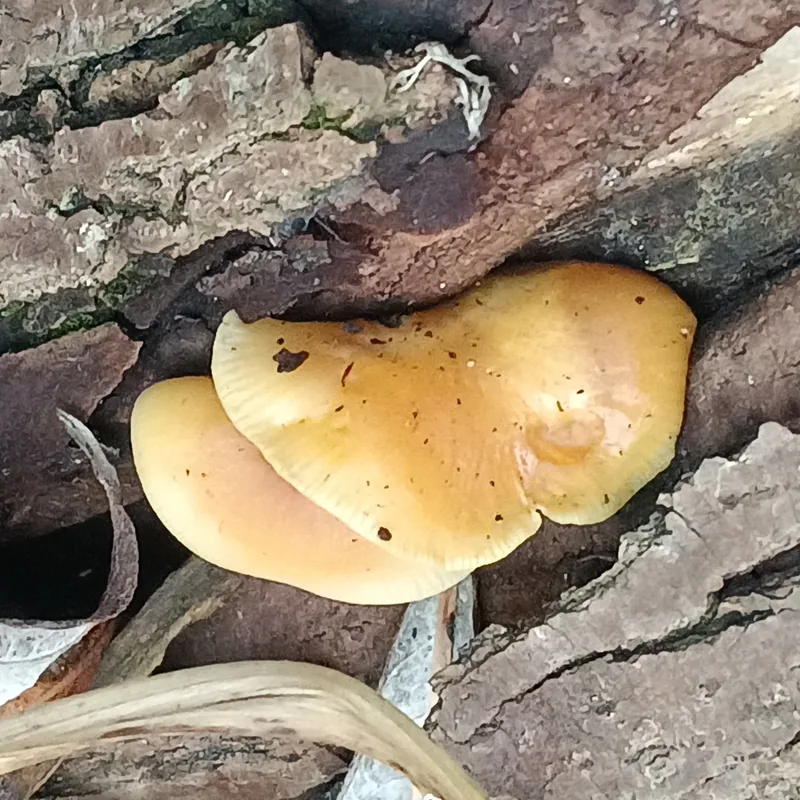
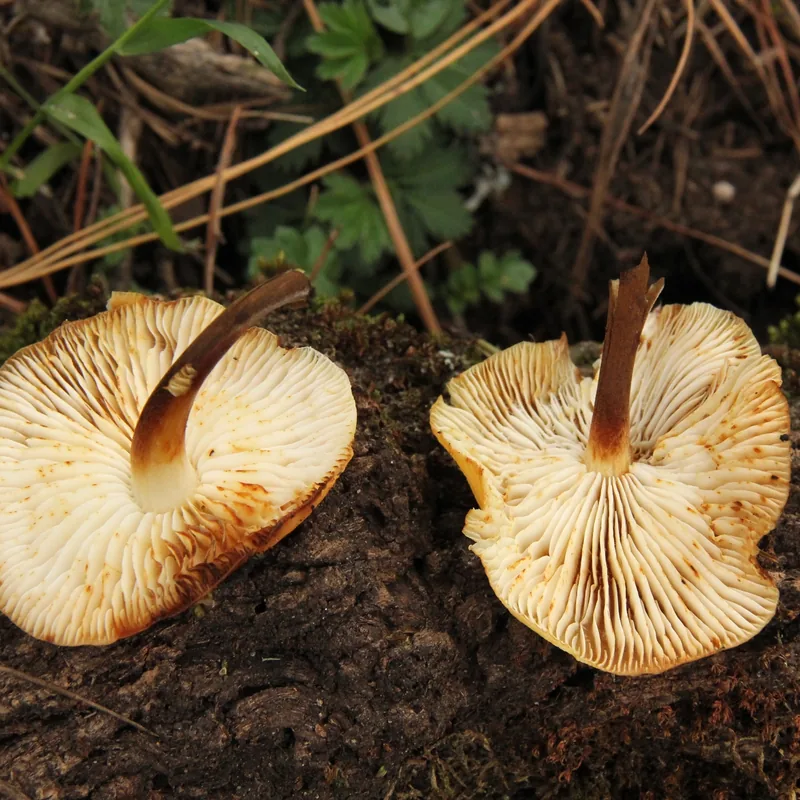
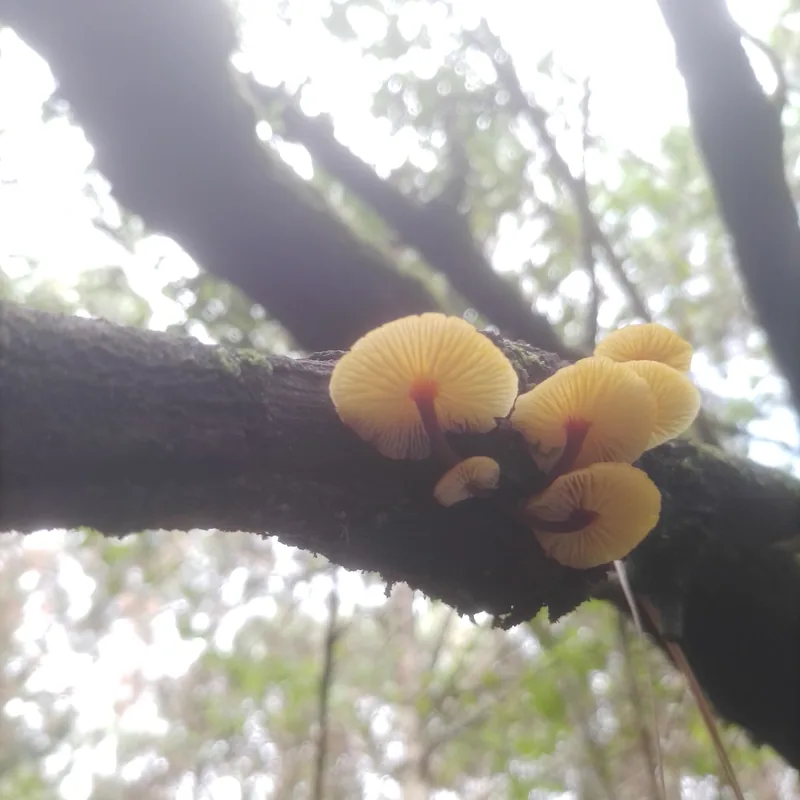
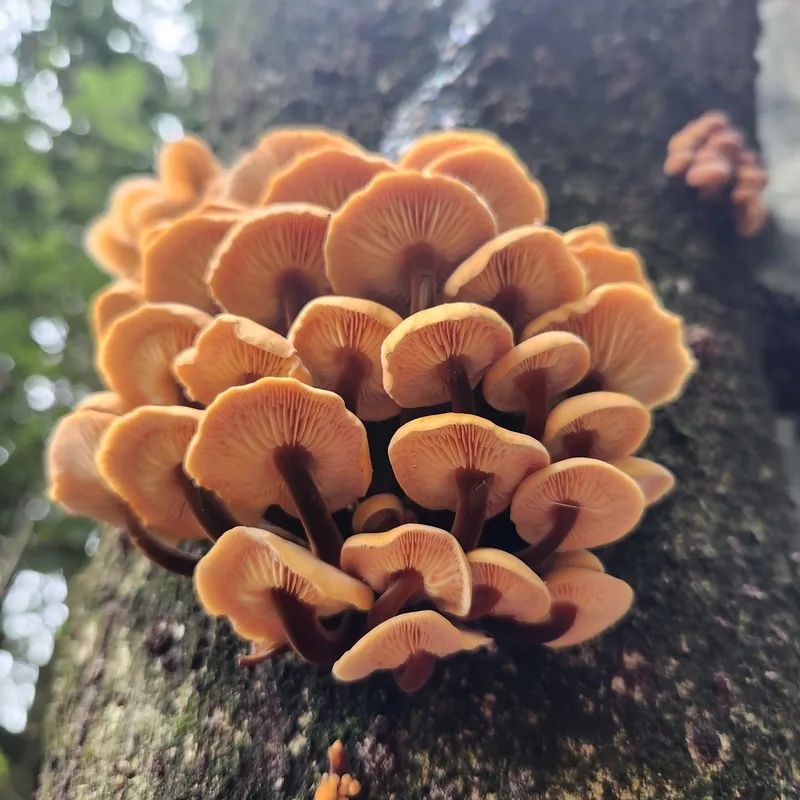
- 1–6 cm across; convex to flat, sticky, orangish brown to yellowish brown.[1]
- Gills
- Attached to the stem; creamy white to pale orangish.[1]
- Wild stem
- 2–5 cm long; velvety brown to blackish coating develops upward from the base.[1]
- Ring
- The stem lacks a ring.[3]
- Flesh
- White; unchanged when sliced.[1]
- Spore print
- White.[3]
Can you eat enoki?
It is edible. Cook enoki thoroughly before eating it. When collecting wild specimens, seek expert identification and check every mushroom because deadly Galerina can become mixed into a collection.[3][7][12]
How do you grow enoki?
Temperature
Colonization21–24 °C
Fruiting10–16 °C
Humidity
Colonization0–95 %
Fruiting0–92 %
Full cycle: 45 days
- Light
- Low
Substrates
Log your batches, temperatures and harvests. The free plan needs no card.
How do you cook enoki?
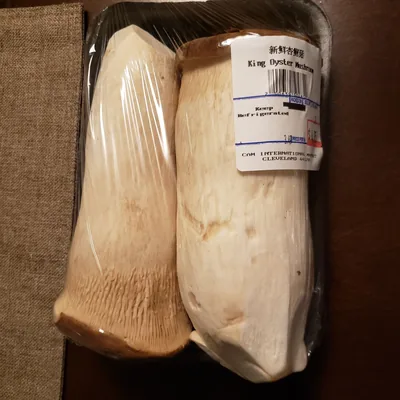
Commercial enoki has a crisp texture and is cooked in soups, hot pots and stir-fries. Cook it thoroughly as part of the dish; adding it raw to hot soup just before serving can leave it undercooked. These uses describe commercial enoki, currently identified as F. filiformis.[7][10][6]
Where and when does enoki grow?
Grows in clusters on hardwood stumps, logs and roots; occasionally on conifers.[1]
Usually fruits from fall to spring.[1]
It has a broad worldwide distribution. Mexican reports include Cieneguilla in the Valle de Poanas, Durango.[1][12]
About the name
Flammulina velutipes belongs to Physalacriaceae. The study published in 2018 recognized Asian cultivated enoki as Flammulina filiformis through genetic analyses. This distinction explains the use of F. velutipes in earlier culinary sources.[2][6][3]