Hen of the woodsGrifola frondosa
maitake
Grifola frondosa, known as maitake, is an edible mushroom also cultivated for cooking. In the wild, it forms clusters at the base of oaks; people seek it for its flavor and cooked texture.[2][3][6]
Edible. Eat it cooked. Never eat a wild mushroom identified only from photos.
- Season in Mexico
- HabitatAt the oak base
- FlavorSweet and umami
- GrowingHard
- FamilyGrifolaceae
How do you identify hen of the woods?
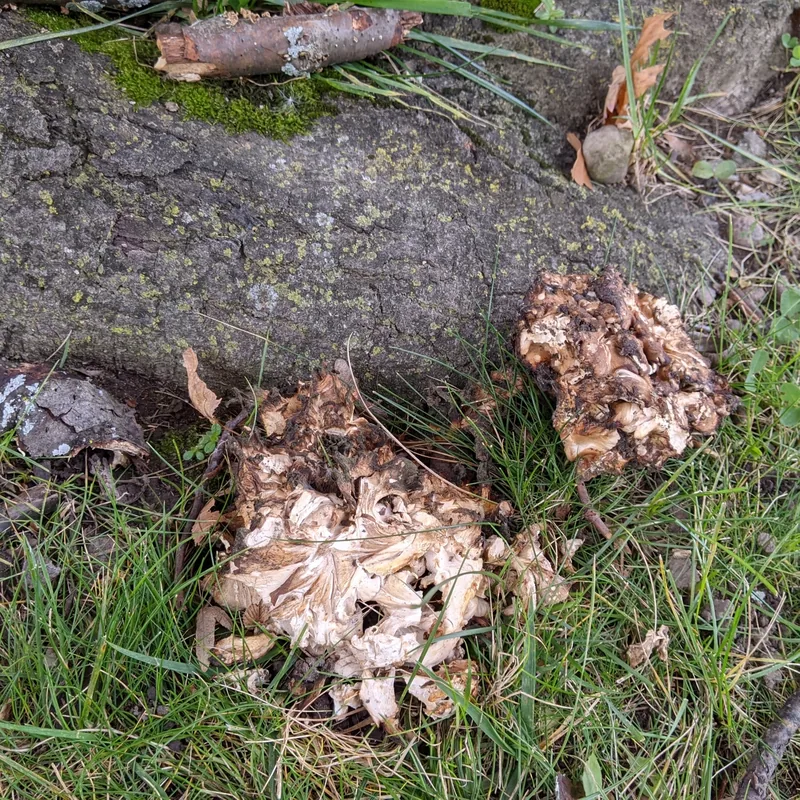
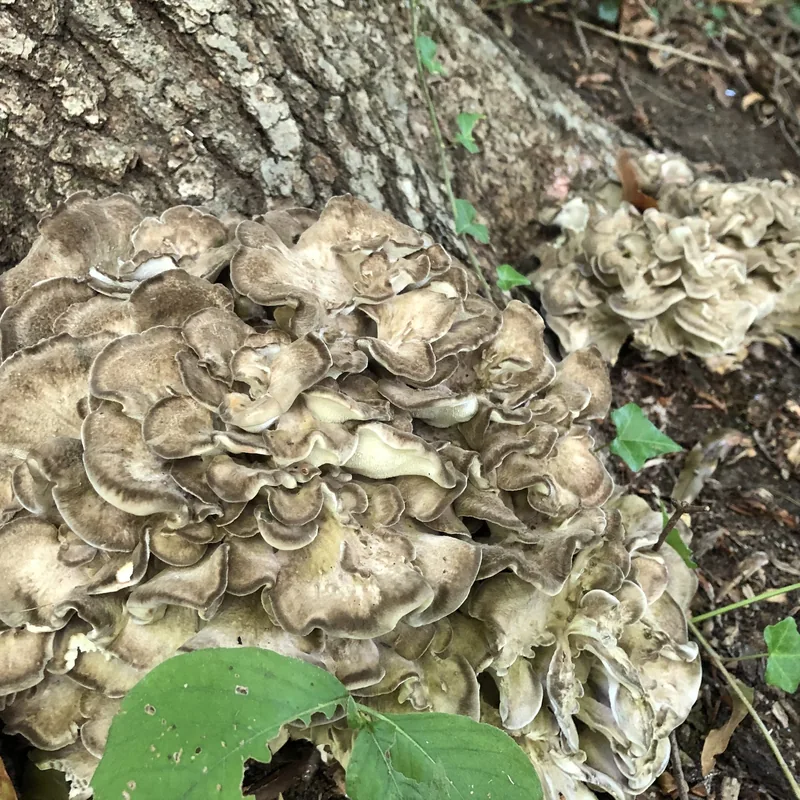
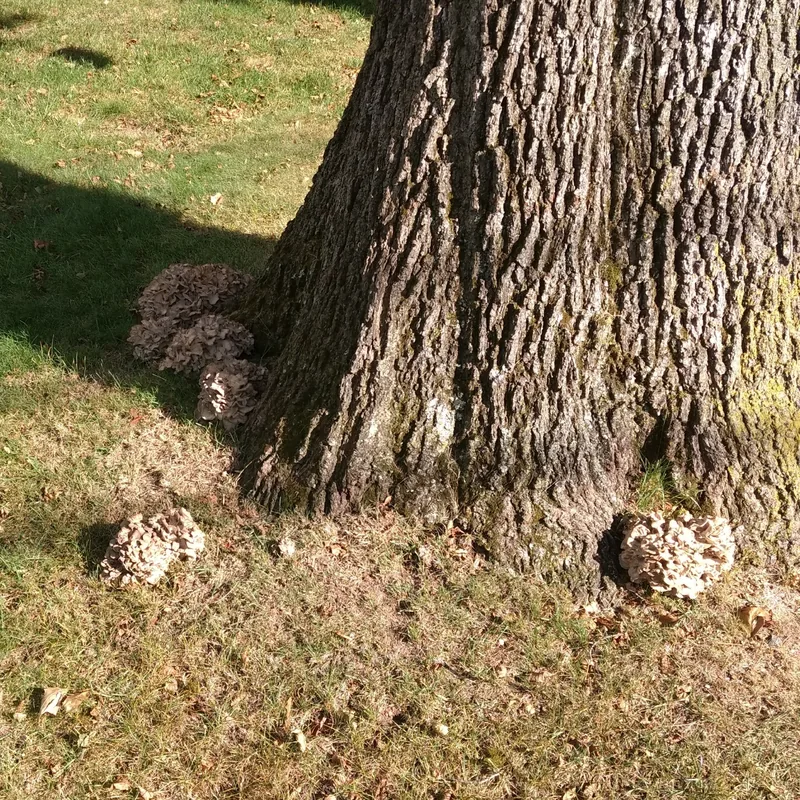
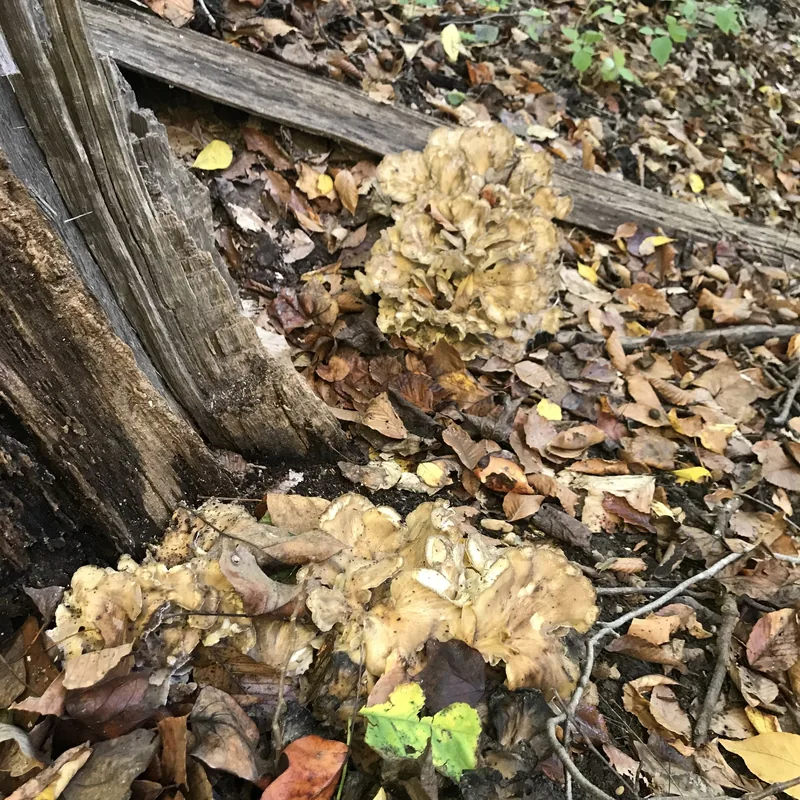
- Wild form
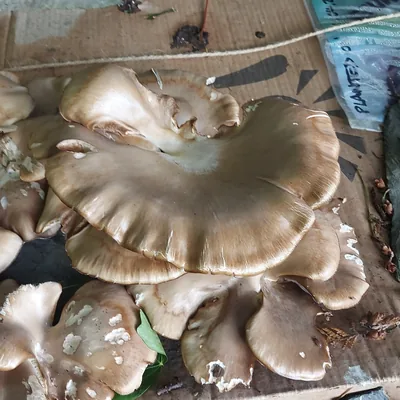
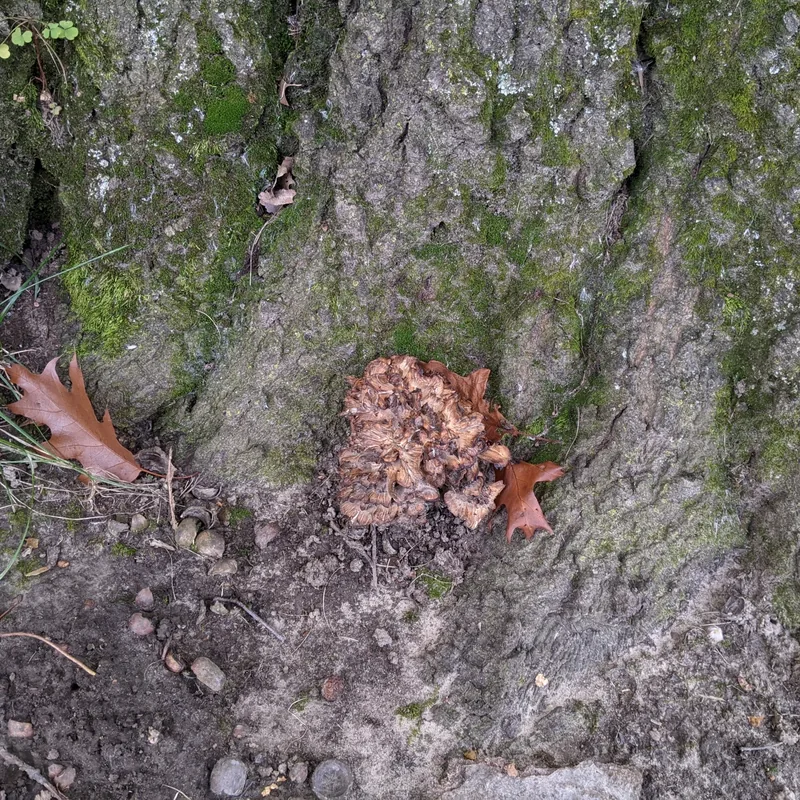
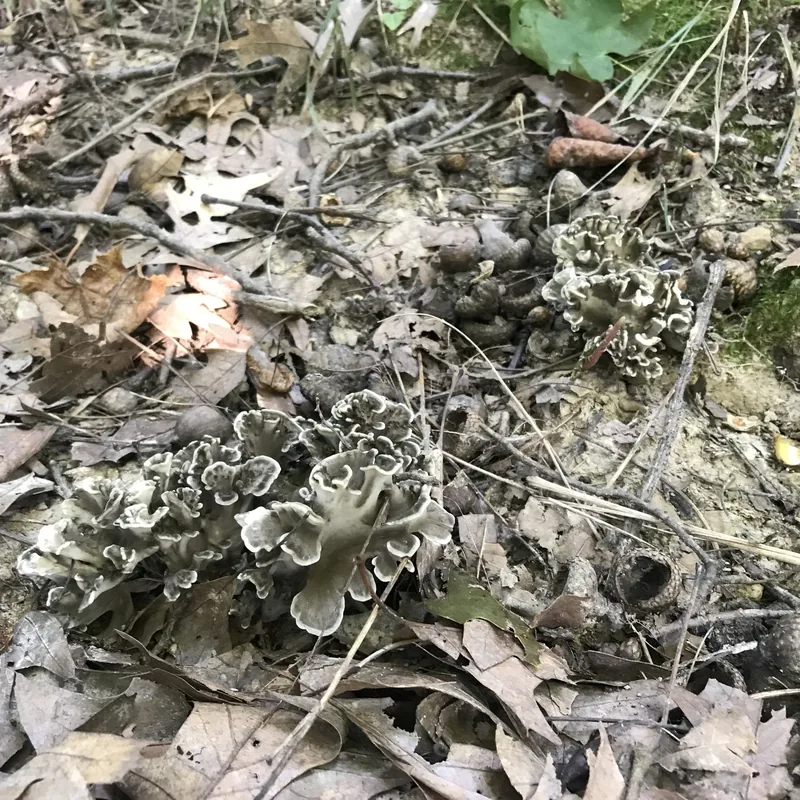
- A rosette of caps sharing a branched base; 15–40 cm across and 10–30 cm high.[1]
- Caps
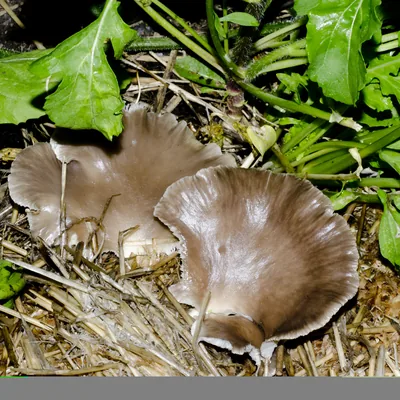
- Fan-shaped or deltoid, 3–14 cm across, dark to pale gray-brown, often with vague concentric zones; yellowing with age.[1]
- Underside
- A pore surface extending down the stem; lavender gray at first, becoming white.[1]
- Stem
- Branched, whitish and tough; often off-center.[1]
- Flesh
- White and firm; retains its color when cut.[1]
- Spore print
- White.[1]
Can you eat hen of the woods?
Edible, especially when young. Confirm the identification of any wild specimen before eating it. NAMA documents a report of flushing and tachycardia after consumption of this species.[2][8]
How do you grow hen of the woods?
Temperature
Colonization21–24 °C
Fruiting13–18 °C
Humidity
Colonization0–95 %
Fruiting0–85 %
Full cycle: 90 days
- Light
- Indirect
Substrates
Woods it likes
Log your batches, temperatures and harvests. The free plan needs no card.
How do you cook hen of the woods?
Cook it thoroughly. You can separate the caps and sauté them in olive oil and butter until browned outside and tender inside. Its cooked texture resembles chicken breast. It is used in stews, spaghetti sauce and stir-fries.[3][9]
Where and when does hen of the woods grow?
Grows at the base of oaks and other hardwood trees, associated with their roots and decaying wood.[1][3]
Fruits in summer and fall in the North American region described by MushroomExpert. Fruiting months in Mexico remain unspecified.[1]
Occurs in temperate forests of eastern North America, Europe and Asia. Mexican states remain unspecified.[2]