Skip to content
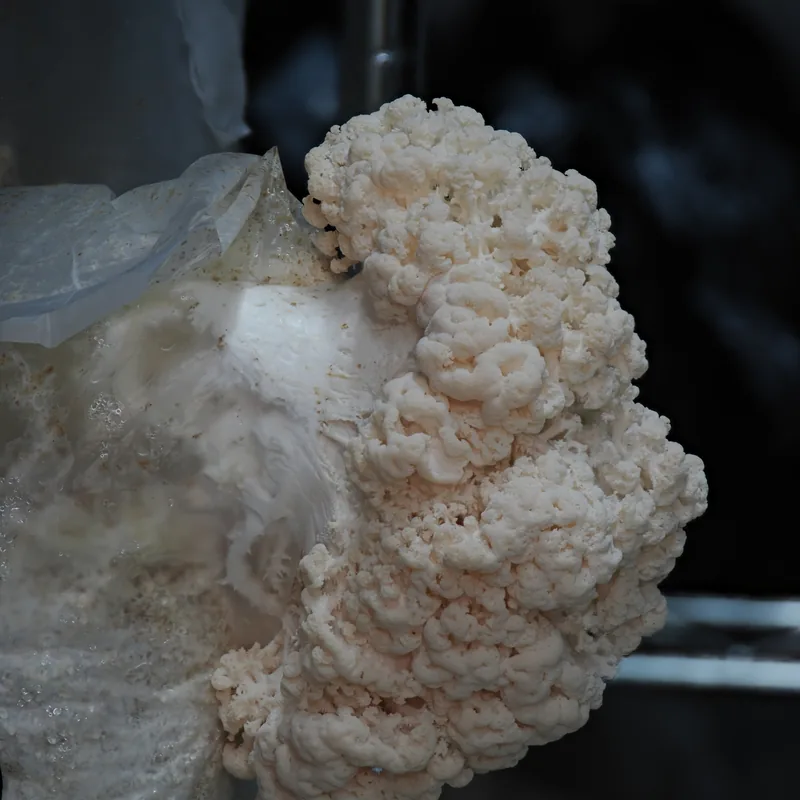
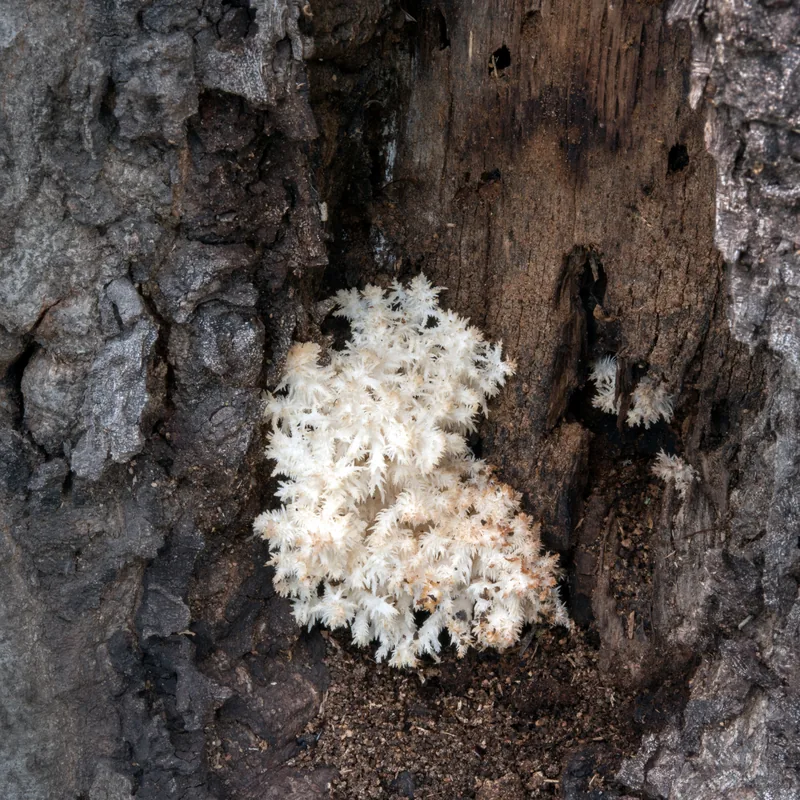
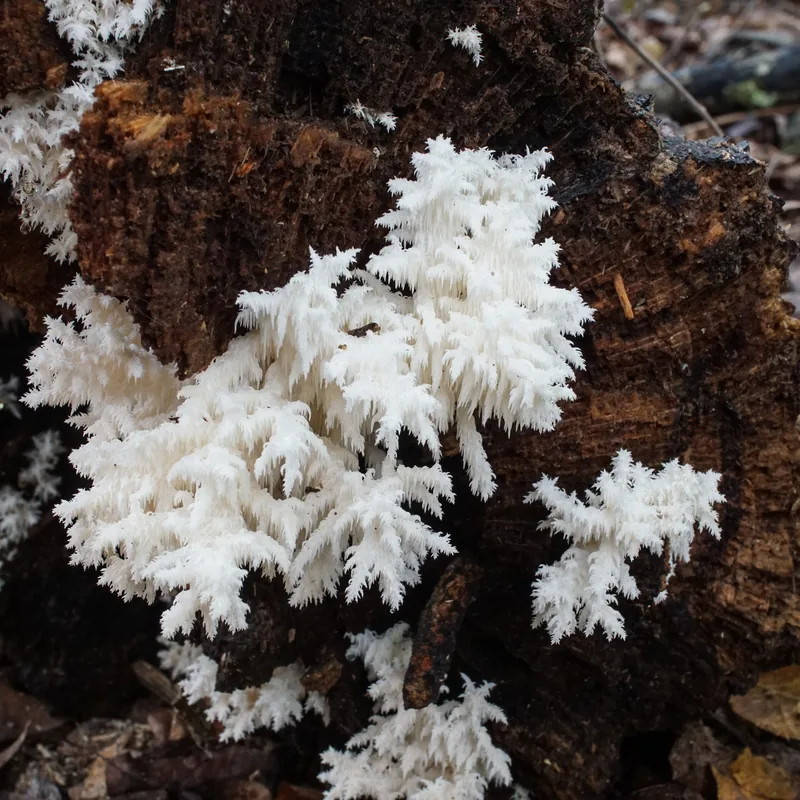
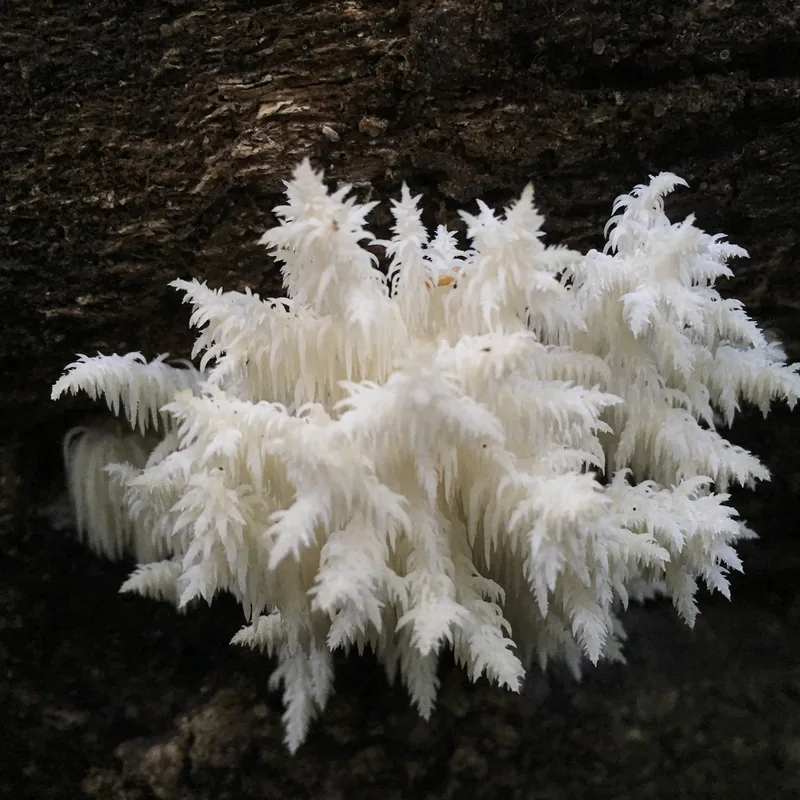
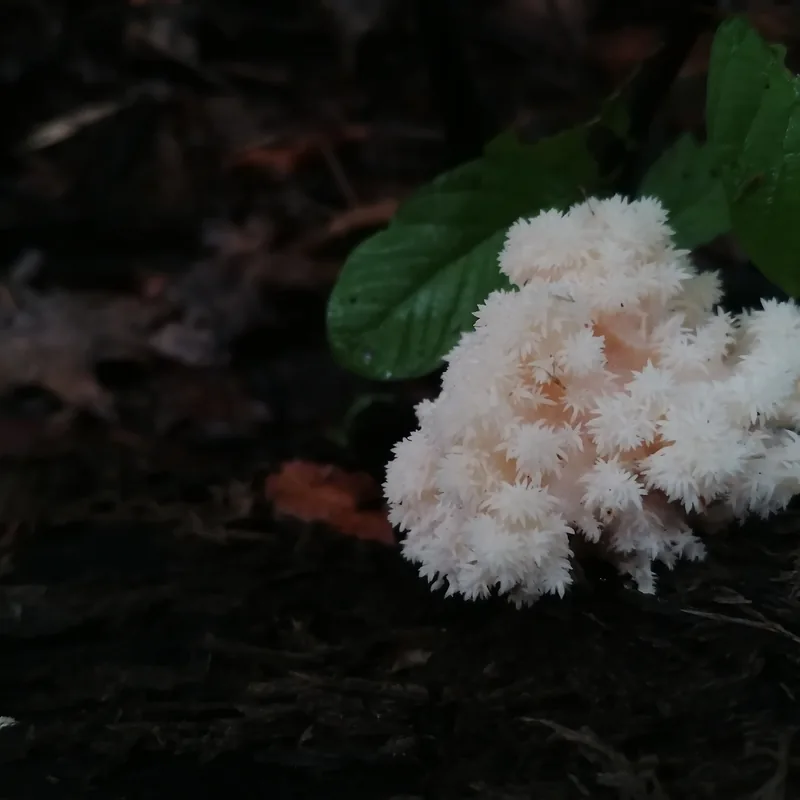
Coral tooth fungus (Hericium coralloides), photo
Photo
Medicinal

Coral tooth fungusHericium coralloides

Comb tooth

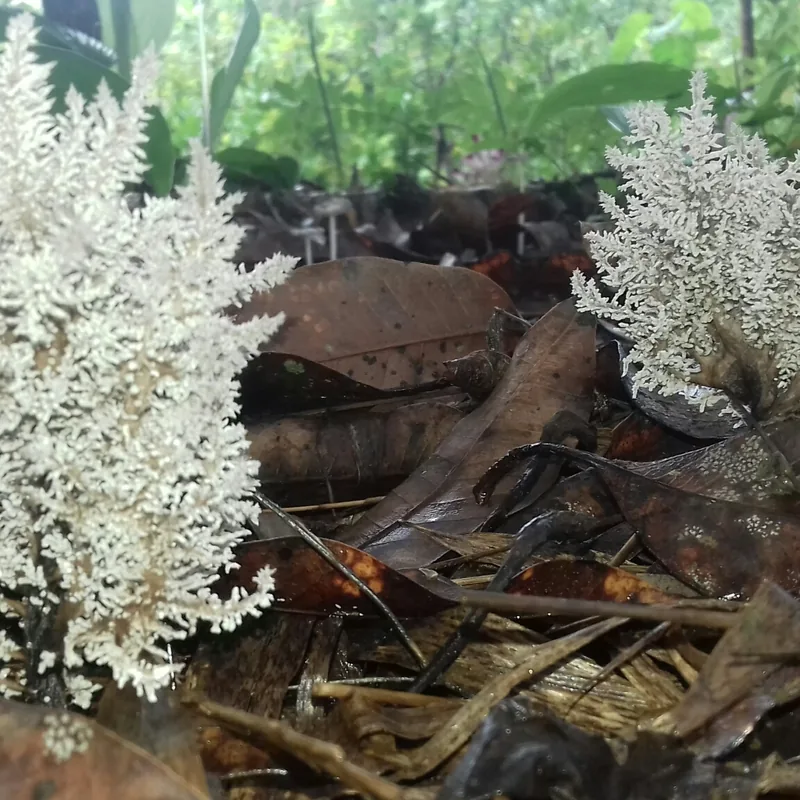
Hericium coralloides is an edible mushroom with white branches and hanging teeth. It grows on dead hardwood. People look it up for identification and research into its compounds.[3][8][9]

Edible. Eat it cooked. Never eat a wild mushroom identified only from photos.

  • Season in Mexico
  • HabitatDead hardwood
  • GrowingMedium
  • FamilyHericiaceae

How do you identify Coral tooth fungus?
Size
Fruiting body 8–20 cm across.[1]
Branches
Smooth branches 0.5–1 cm thick.[1]
Teeth
Fleshy teeth 0.5–1 cm long.[1]
Arrangement
Teeth hang in rows along the branches.[3]
Color
White at first; yellowish with age.[3]
Flesh
White; unchanged when cut.[1]
Spore print
White.[1]
Smell
Indistinct.[1]

Can you eat Coral tooth fungus?

Edible. Have an experienced identifier confirm your specimen and cook it thoroughly. As a general precaution, edible mushrooms can cause digestive upset, and some people develop sensitivity; this warning concerns edible mushrooms generally.[9][12][13]

How do you grow Coral tooth fungus?

Temperature

Colonization21–24 °C

Fruiting16–21 °C

Humidity

Colonization0–95 %

Fruiting0–92 %

Full cycle: 38 days

Light
Indirect

Substrates

  • Supplemented hardwood sawdust
Track this grow in SporeXpert

Log your batches, temperatures and harvests. The free plan needs no card.

Track this grow in SporeXpert

Where and when does Coral tooth fungus grow?

It decomposes hardwood. It grows alone or in groups on fallen branches and stumps.[1]

The consulted sources leave a Mexican fruiting calendar unresolved. In North America it appears in late summer and fall; warmer climates also support winter and spring fruiting.[1]

Mexican literature mentions the species in Oaxaca. A phylogenetic study places Hericium coralloides in Europe and North America.[4][11]

Baja CaliforniaBCSonoraSONChihuahuaCHHCoahuilaCOANuevo LeónNLBaja California SurBCSSinaloaSINDurangoDURZacatecasZACSan Luis PotosíSLPTamaulipasTAMNayaritNAYJaliscoJALAguascalientesAGSGuanajuatoGTOQuerétaroQROHidalgoHGOColimaCOLMichoacánMICEstado de MéxicoMEXCiudad de MéxicoCDMXTlaxcalaTLXVeracruzVERYucatánYUCGuerreroGROMorelosMORPueblaPUETabascoTABCampecheCAMQuintana RooROOOaxacaOAXChiapasCHP
States with records (1/32): Oaxaca

See the mushroom map

About the name

Hericium ramosum appears as a synonym in older sources. Some older works used Hericium coralloides for the species now called Hericium americanum.[3][1]
Fun facts

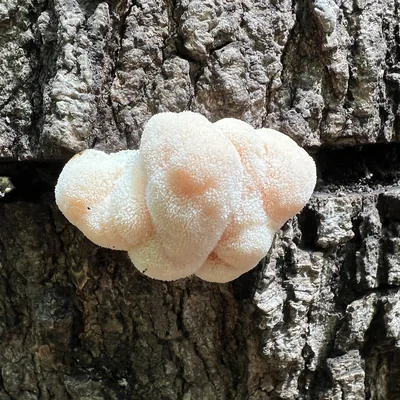
  • Hericium refers to a hedgehog; coralloides refers to its resemblance to coral.[3]
  • The name bella luru besi is documented in Oaxaca and is shared with Hericium erinaceus.[4]

Frequently asked questions

Sources

  1. Hericium coralloides (MushroomExpert.Com)
  2. Barba de viejo (Hericium coralloides)
  3. Hericium coralloides
  4. Los nombres zapotecos de los hongos
  5. Coral tooth fungus (Hericium coralloides) · iNaturalist
  6. Hericium americanum (MushroomExpert.Com)
  7. Hericium erinaceus (MushroomExpert.Com)
  8. Antioxidant activity and cytotoxicity of exopolysaccharide from mushroom Hericium coralloides in submerged fermentation
  9. Hericium coralloides Ameliorates Alzheimer's Disease Pathologies and Cognitive Disorders by Activating Nrf2 Signaling and Regulating Gut Microbiota
  10. Structure Characterization and Anti-Aging Activities of a Polysaccharide Derived from Hericium coralloides (Agaricomycetes) Using the Three-Phase Partitioning Method
  11. A multilocus phylogeny of Hericium (Hericiaceae, Russulales).
  12. Wild Mushroom Safety: Identification, Cooking, and Poison Awareness
  13. Summary of the Poisoning Reports in the NAMA Mushroom Poisoning Case Registry: 2018 through 2020

Written with AI help from the cited sources. A second model checked every fact against those sources and removed what they did not support.

Image credits

Photos are under free licenses (CC0, CC BY or CC BY-SA).

Related mushrooms