Lion's maneHericium erinaceus
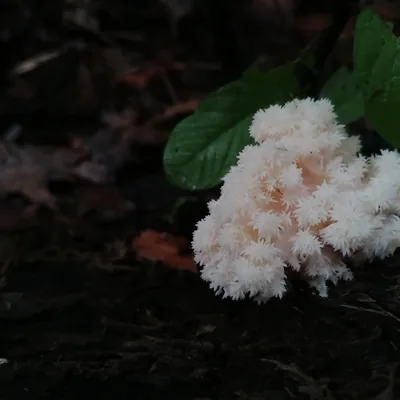
Lion's mane is an edible gourmet mushroom with hanging white spines. It grows on wood and attracts interest for its lobster-like flavor.[2][7]
Edible. Eat it cooked. Never eat a wild mushroom identified only from photos.
- Season in Mexico
- HabitatWood on trees
- FlavorLobster-like flavor
- GrowingMedium
- FamilyHericiaceae
How do you identify Lion's mane?
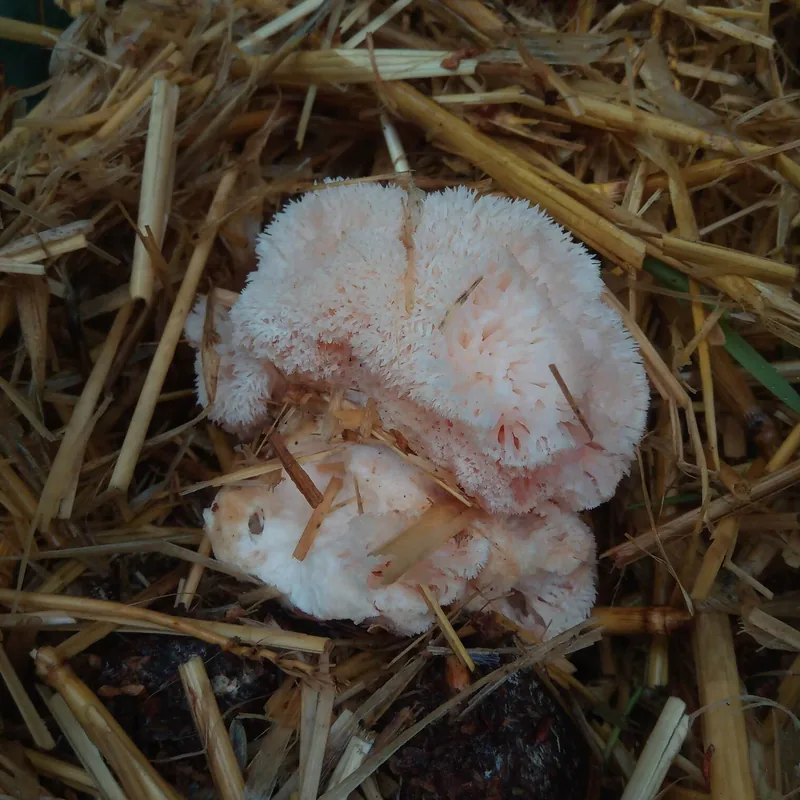
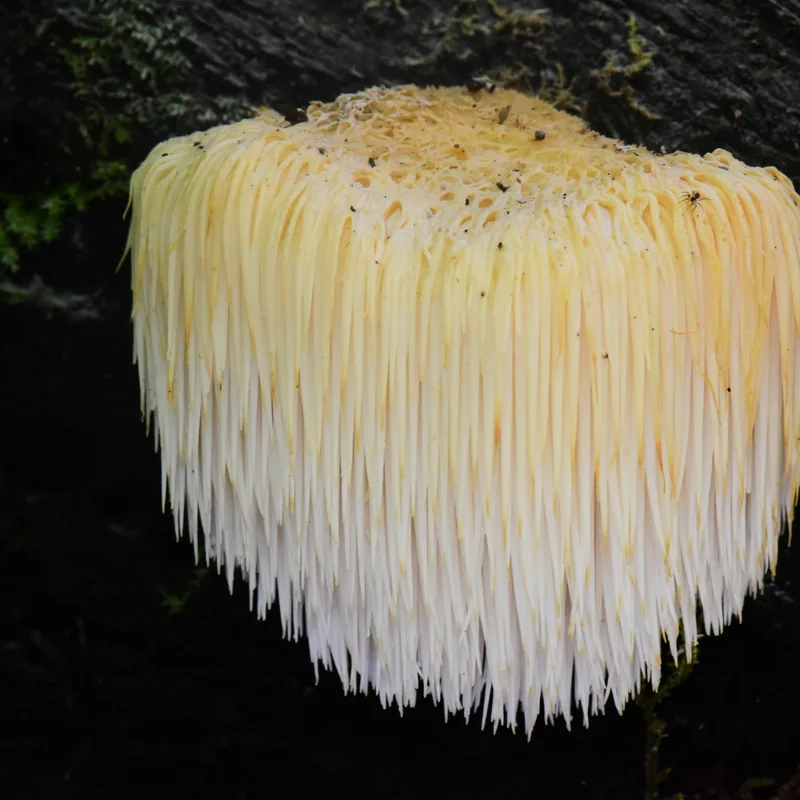
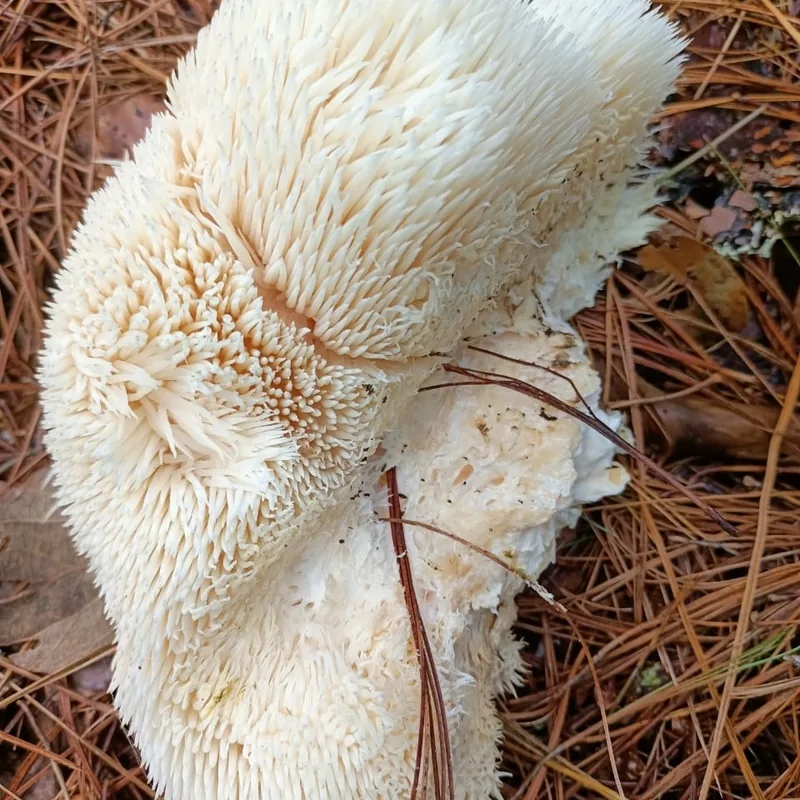
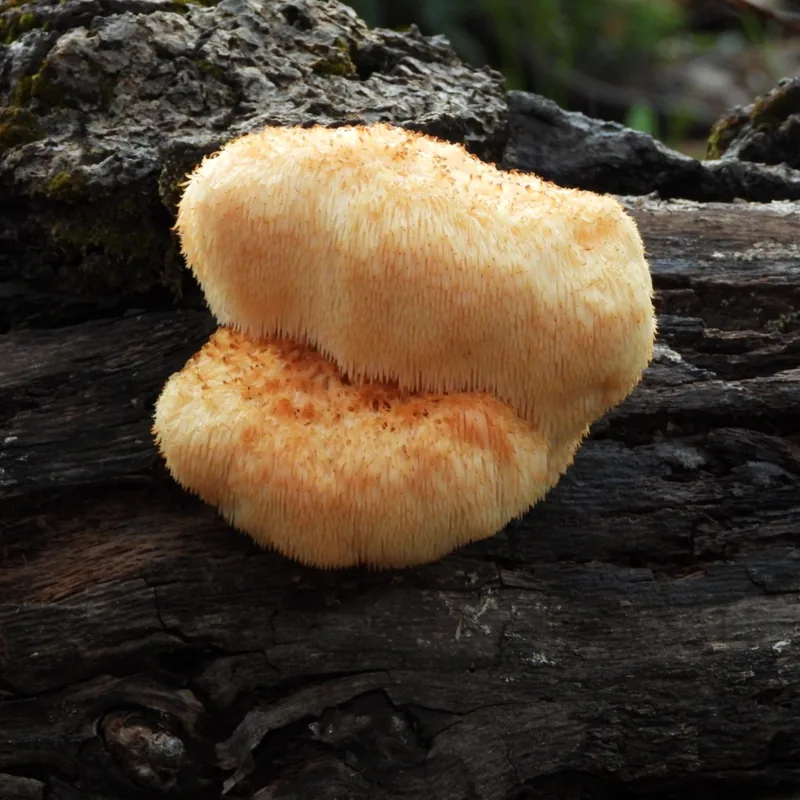
- Shape
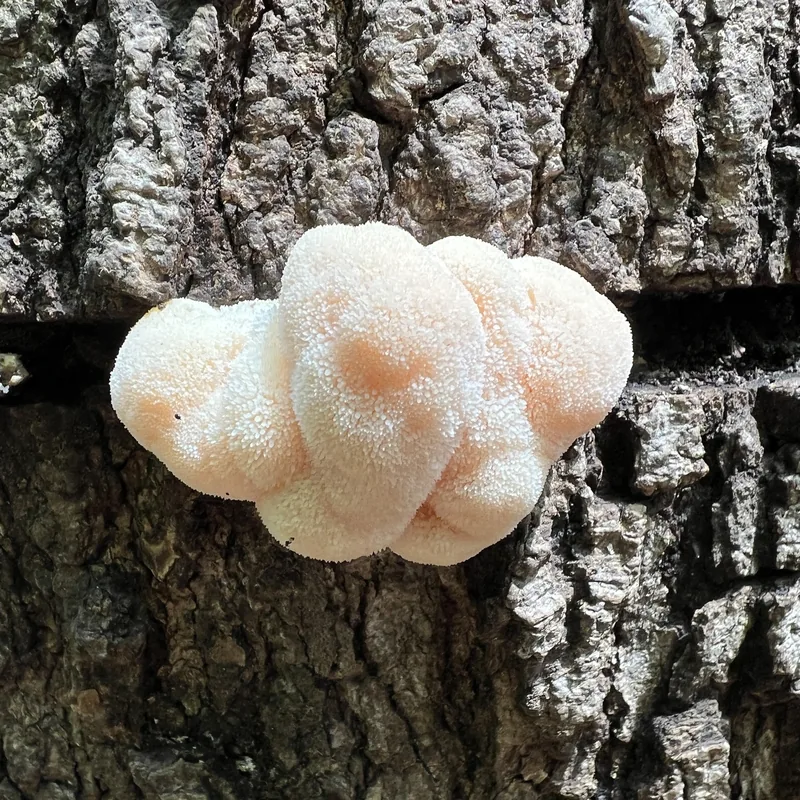
- Forms a single compact, unbranched clump.[1]
- Size
- Fruiting body 8–24 cm across.[1]
- Spines
- Soft, hanging spines 1–4 cm long.[1]
- Color
- White, becoming brownish or yellowish with age.[1]
- Flesh
- White, soft and spongy; retains its color when sliced.[1]
- Spore print
- White.[1]
- Cultivated specimen
- Has a whitish, roughly globe-shaped fruiting body covered in downward-hanging spines.[7]
Can you eat Lion's mane?
It is edible. If you forage it, confirm its identity with a mushroom expert.[7][8][9]
How do you grow Lion's mane?
Temperature
Colonization21–24 °C
Fruiting18–24 °C
Humidity
Colonization0–95 %
Fruiting0–90 %
Full cycle: 35 days
- Light
- Indirect
Substrates
Woods it likes
Log your batches, temperatures and harvests. The free plan needs no card.
How do you cook Lion's mane?
It is often cooked like meat dishes. Older specimens turn sour and bitter.[8]
Where and when does Lion's mane grow?
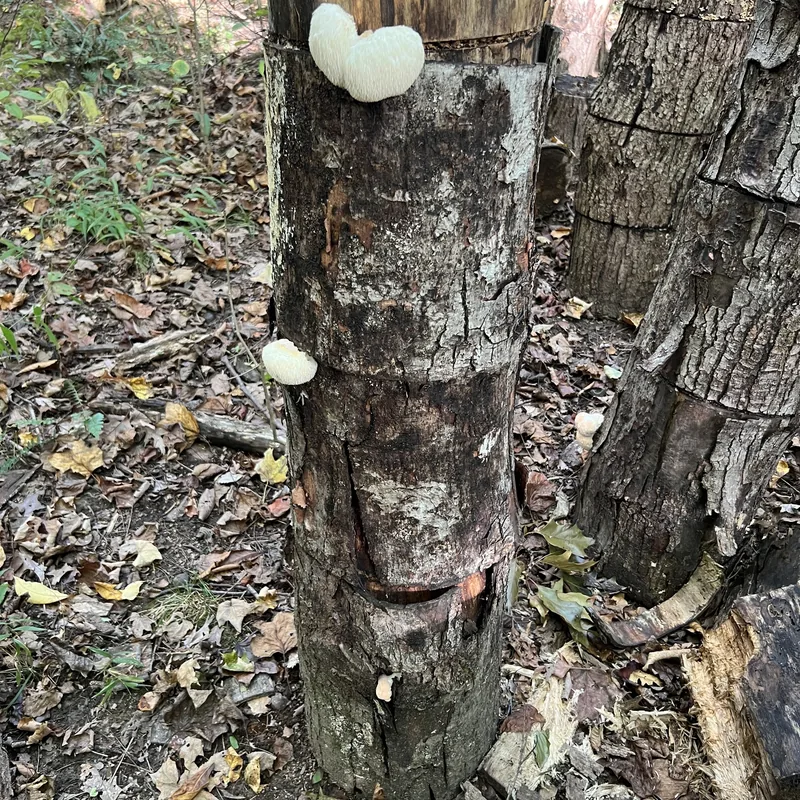
Grows on wounds in living hardwood trees, especially oaks, and on recently cut wood. It acts as a decomposer and parasite.[1]
The general description lists late summer and fall, with winter and spring fruiting in warmer climates. Fruiting months in Mexico remain unspecified.[1]
It occurs in Europe, in North America from Canada to Mexico, in Central America and in Asia.[1][11]