Skip to content
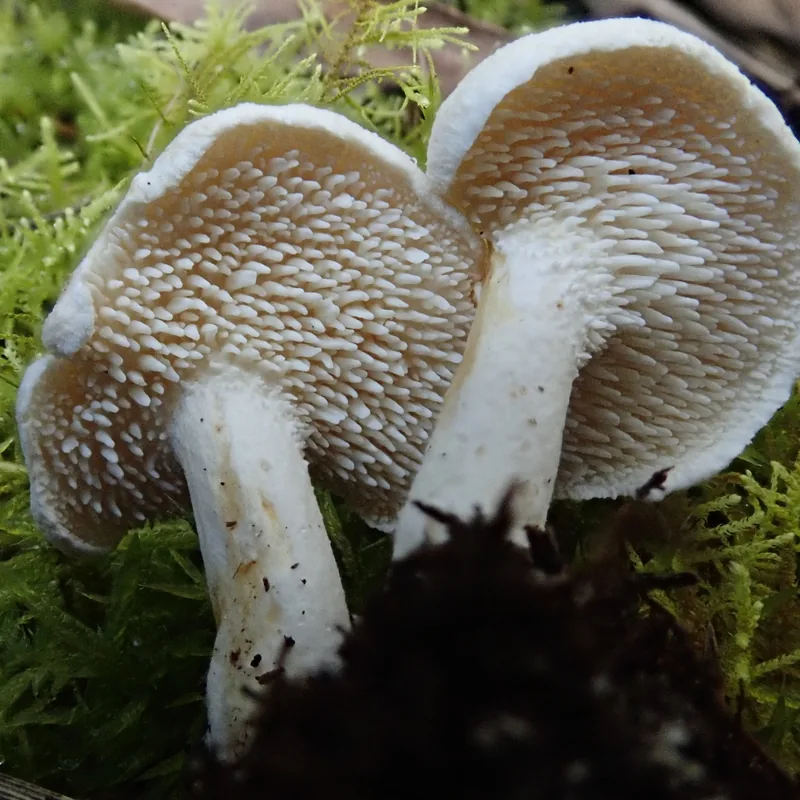
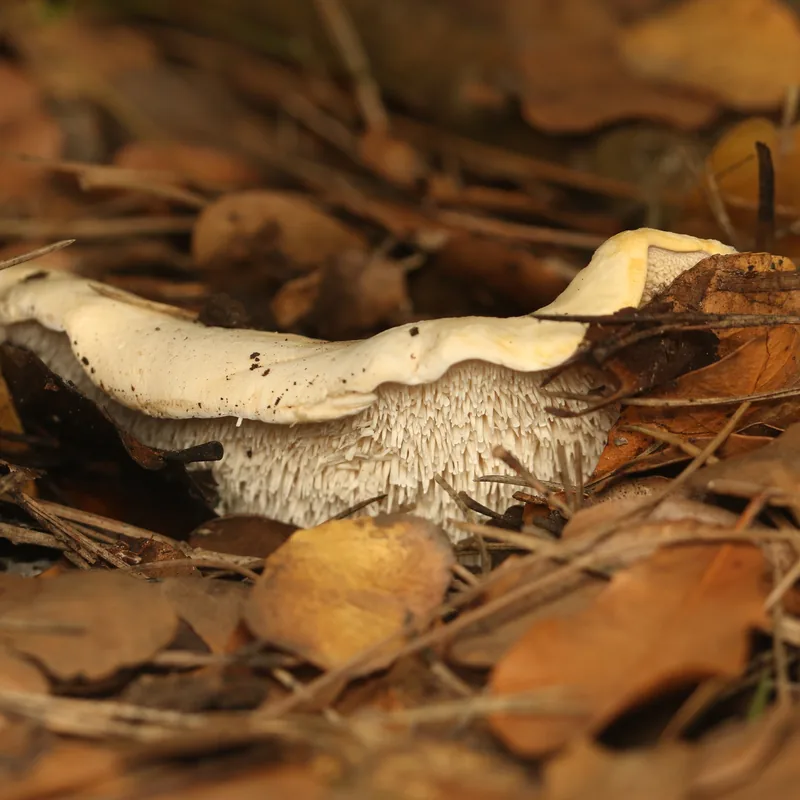
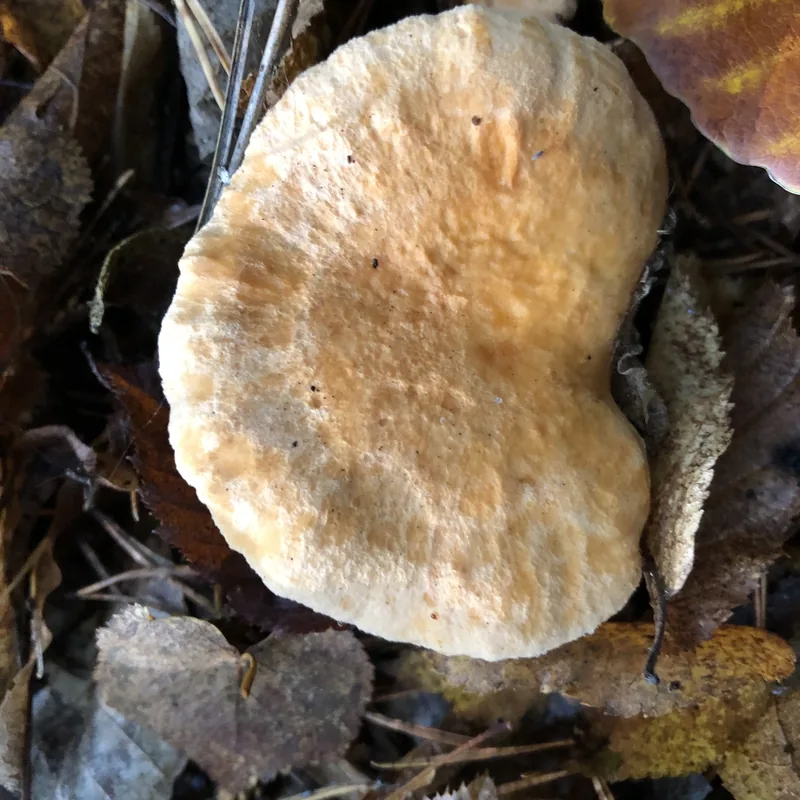
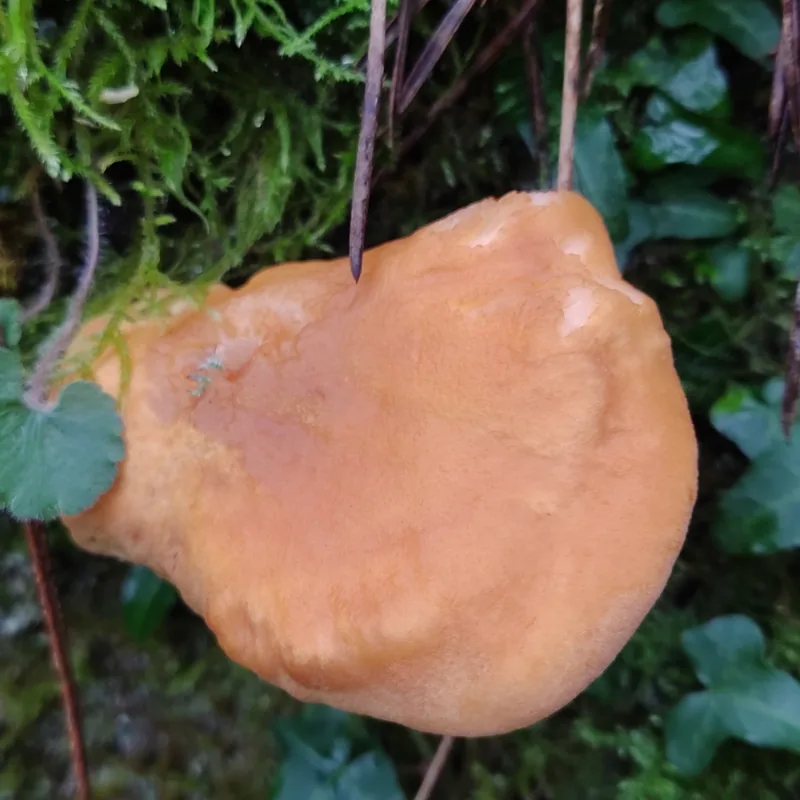
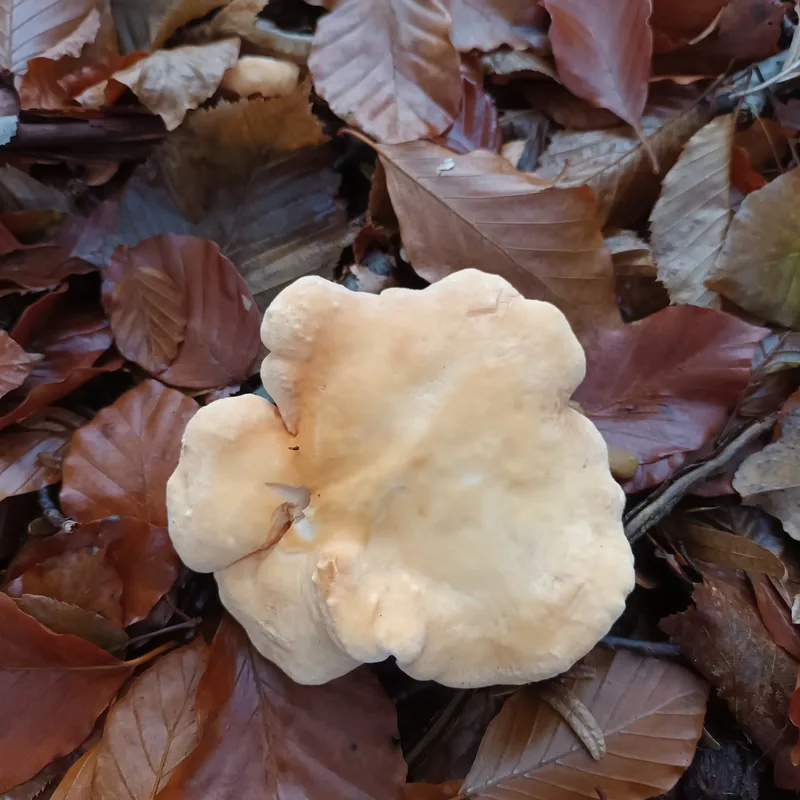
hedgehog mushroom (Hydnum repandum), photo
Photo
Wild in Mexico

Hedgehog mushroomHydnum repandum

sweet tooth · wood hedgehog · hongo de espinita (Central Valleys) · hongo de gusanito (Central Valleys)

Hydnum repandum is an edible mushroom with spines beneath its cap. Mexican records place it in pine and oak forests and document its sale in Oaxaca. Identification requires attention to recent changes in how Hydnum species are defined.[3][4][6][11]

Edible. Eat it cooked. Never eat a wild mushroom identified only from photos.

  • Season in Mexico
  • HabitatPine-oak forests
  • FamilyHydnaceae

How do you identify hedgehog mushroom?
Cap
Dry, pale orange to nearly white; 6–15 cm wide.[1]
Underside
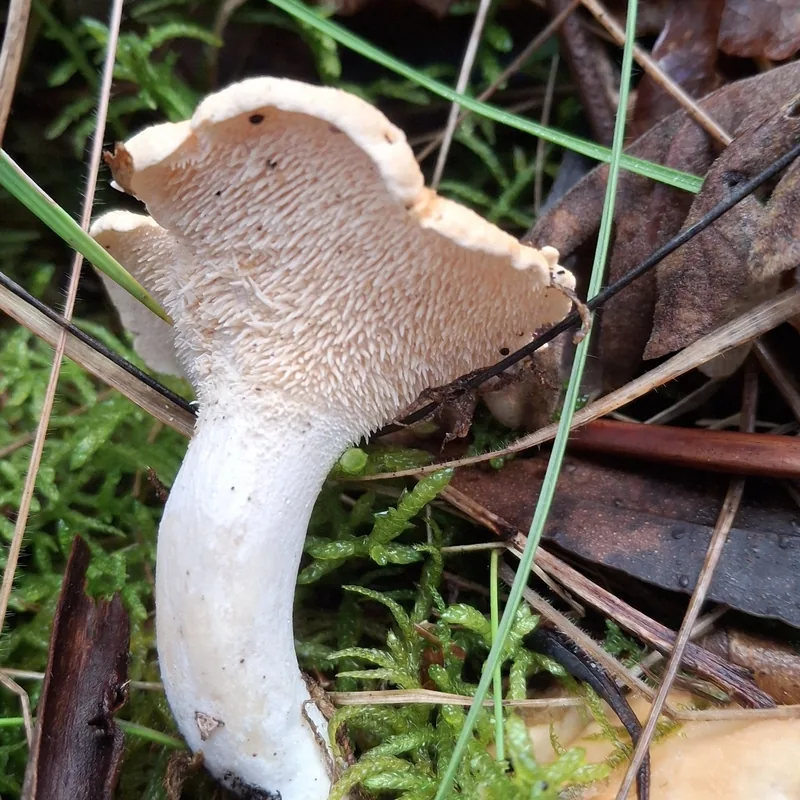
Soft spines, creamy to very pale orange.[1]
Stem
Whitish and smooth; 3–6 cm long and 1–2.5 cm thick.[1]
Flesh
Whitish; unchanged when sliced.[1]
Smell
Slightly sweet.[1]

Can you eat hedgehog mushroom?

Edible. Eat it only after an expert identifies it. Cook it thoroughly and avoid eating it raw; these precautions follow NAMA's general guidance for wild mushrooms.[6][9]

Where and when does hedgehog mushroom grow?

Historical Mexican records place it on the ground in pine-oak, conifer, oak, and montane cloud forests.[4]

Fruiting records from San Francisco Temezontla, Tlaxcala, report July and September. These months apply to that locality and the name used in the study.[5]

The list compiles Mexican records published under this name. Current species boundaries recognize Hydnum repandum as widely distributed in Europe.[1][3][4]

Baja CaliforniaBCSonoraSONChihuahuaCHHCoahuilaCOANuevo LeónNLBaja California SurBCSSinaloaSINDurangoDURZacatecasZACSan Luis PotosíSLPTamaulipasTAMNayaritNAYJaliscoJALAguascalientesAGSGuanajuatoGTOQuerétaroQROHidalgoHGOColimaCOLMichoacánMICEstado de MéxicoMEXCiudad de MéxicoCDMXTlaxcalaTLXVeracruzVERYucatánYUCGuerreroGROMorelosMORPueblaPUETabascoTABCampecheCAMQuintana RooROOOaxacaOAXChiapasCHP
States with records (8/32): Durango, Tamaulipas, Michoacán, Estado de México, Tlaxcala, Guerrero, Morelos, Oaxaca

See the mushroom map

Names in Mexico

  • hongo de espinita · Central Valleys[3]
  • hongo de gusanito · Central Valleys[3]

About the name

Mexican records use a broad interpretation of the name. DNA studies distinguish closely related species; the identification description follows the current European concept.[1][4][11]
Fun facts

  • Repandum refers to the cap's upward-curving shape.[4][8]
  • The names hongo de espinita and hongo de gusanito refer to the structures beneath the cap.[3]

Frequently asked questions

Sources

  1. Hydnum repandum (MushroomExpert.Com)
  2. Hongo trompeta (Hydnum repandum)
  3. Hongos silvestres con potencial nutricional, medicinal y biotecnológico comercializados en Valles Centrales, Oaxaca
  4. Estudio Taxonómico de los Géneros Hidnoides Estipitados (Fungi: Aphyllophorales) en México
  5. Estudio etnomicológico en San Francisco Temezontla, estado de Tlaxcala
  6. Hongos de México
  7. Hydnum repandum - Wikipedia, la enciclopedia libre
  8. Hydnum repandum - Wikipedia
  9. The Mycophile — May–June 2020
  10. Hongos ectomicorrizógenos del Parque Nacional Lagunas de Montebello, Chiapas
  11. Identifying and naming the currently known diversity of the genus Hydnum, with an emphasis on European and North American taxa

Written with AI help from the cited sources. A second model checked every fact against those sources and removed what they did not support.

Image credits

Photos are under free licenses (CC0, CC BY or CC BY-SA).

Related mushrooms