Skip to content
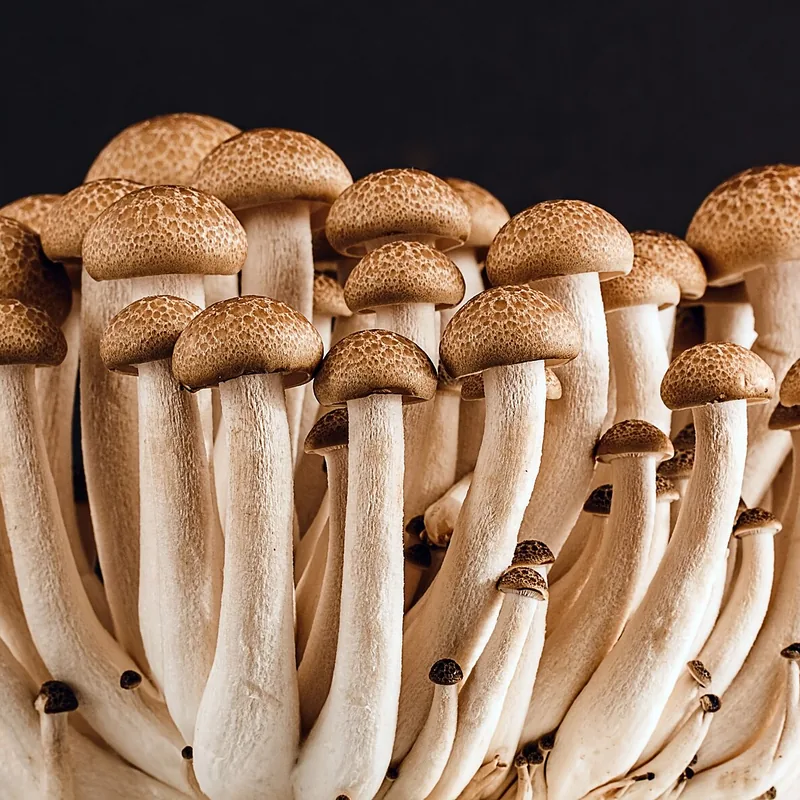
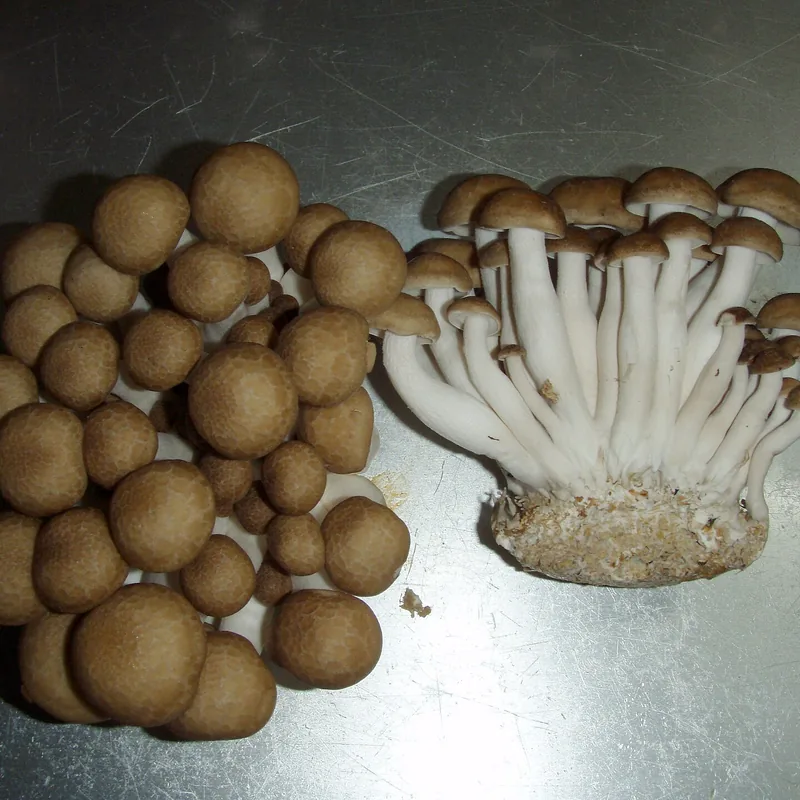
beech mushroom (Hypsizygus tessellatus), photo
Photo
Cultivated

Beech mushroomHypsizygus tessellatus

shimeji · buna-shimeji

Shimeji is an edible mushroom used in Asian cooking. In the wild, it grows on hardwood; cooks value its firm texture and nutty flavor.[2][4][7]

Edible. Eat it cooked. Never eat a wild mushroom identified only from photos.

  • Season in Mexico
  • HabitatOn hardwood
  • FlavorMild and nutty
  • GrowingMedium
  • FamilyLyophyllaceae

How do you identify beech mushroom?
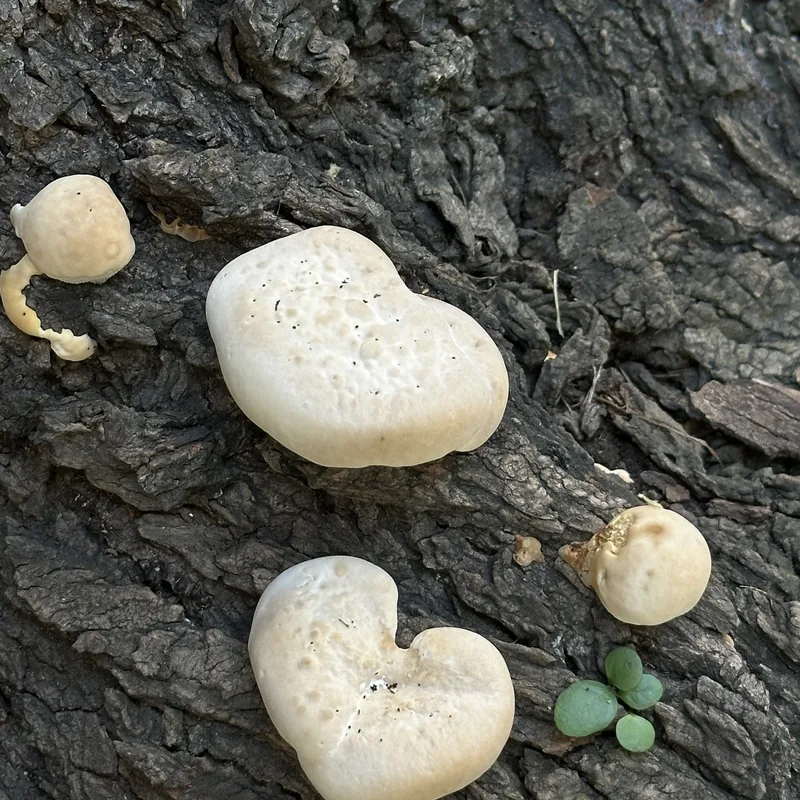
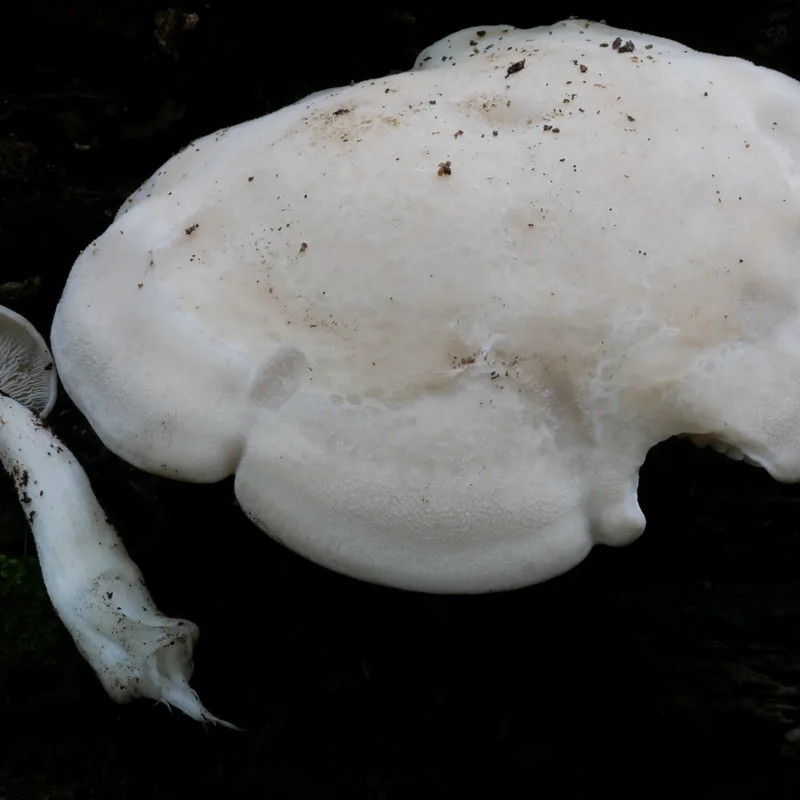
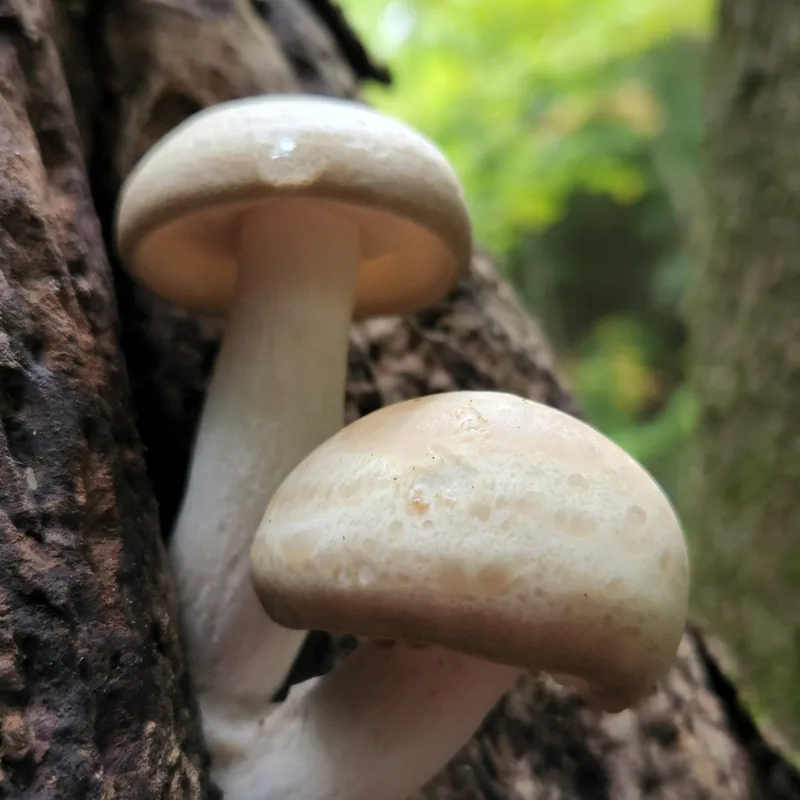
Wild cap
4–8 cm; convex, whitish to buff or very pale tan.[1]
Gills
Whitish, closely spaced and attached to the stem.[1]
Wild stem
3–8 cm long and 1–2 cm thick; whitish to very pale tan.[1]
Flesh
White and firm.[1]
Spore print
White to buff.[1]
Cultivated form
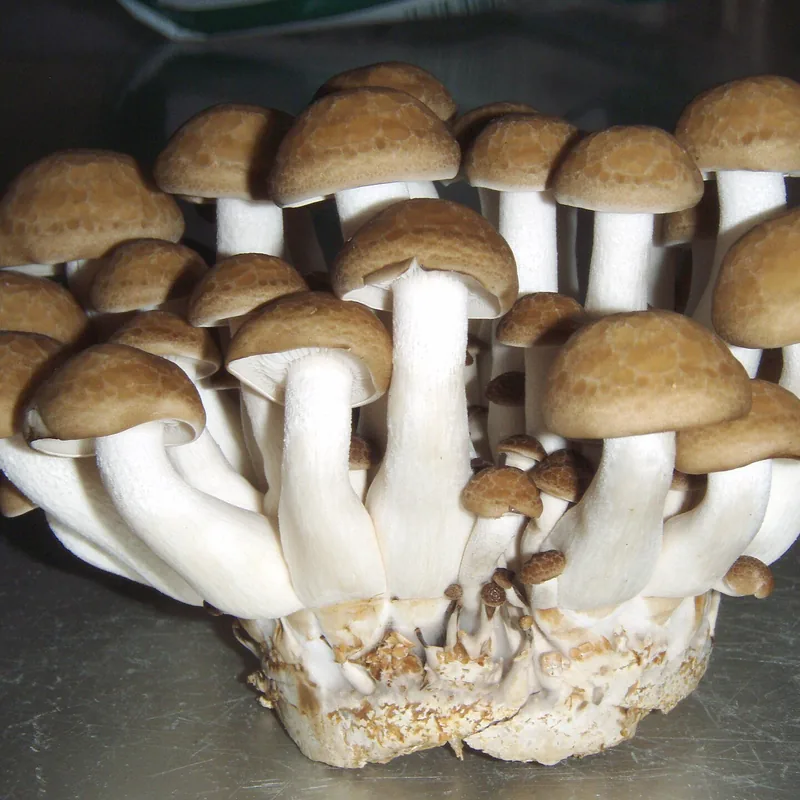
Commercial forms have brown or white caps. The brown form can have long stems and watery spots on its caps.[4][5]

Can you eat beech mushroom?

Edible. Cook it before eating: it is tough raw, and cooking removes its bitterness and makes it easier to digest.[4]

How do you grow beech mushroom?

Temperature

Colonization21–24 °C

Fruiting13–18 °C

Humidity

Colonization0–95 %

Fruiting0–92 %

Full cycle: 70 days

Light
Indirect

Substrates

  • Supplemented hardwood sawdust
Track this grow in SporeXpert

Log your batches, temperatures and harvests. The free plan needs no card.

Track this grow in SporeXpert

How do you cook beech mushroom?

You can sauté or roast it. It retains a firm, slightly crunchy texture; use it in soups, stews, sauces and seafood stir-fries.[6][7][8]

Where and when does beech mushroom grow?

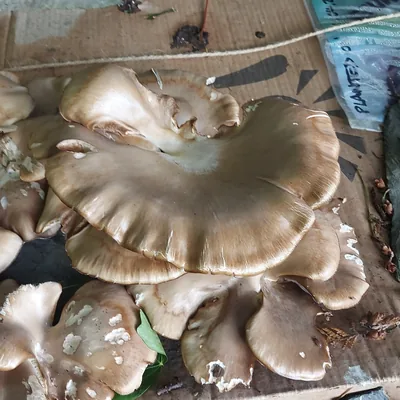
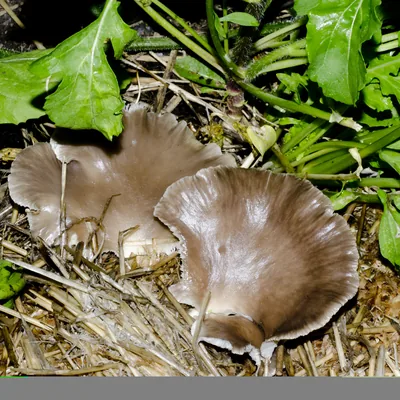
It grows in groups on hardwood, especially aspens, cottonwoods and sugar maple.[2]

Fall in North America.[1]

Recorded in eastern and northern North America. Commercial forms are described as native to East Asia.[1][4]

See the mushroom map

About the name

MushroomExpert uses Hypsizygus tessulatus and identifies tessellatus as a frequent misspelling. It lists Hypsizygus marmoreus as a synonym.[1]
Fun facts

  • Buna-shimeji literally means “beech shimeji.”[7][8]
  • The name shimeji also applies to mushrooms in other genera, such as Lyophyllum.[7][8]

Frequently asked questions

Sources

  1. Hypsizygus tessulatus (MushroomExpert.Com)
  2. Hypsizygus ulmarius
  3. Pleurotus dryinus (MushroomExpert.Com)
  4. SNP-Based Genetic Linkage Map and Quantitative Trait Locus Mapping Associated with the Agronomically Important Traits of Hypsizygus marmoreus
  5. Transcriptome Analysis and Its Application in Identifying Genes Associated with Fruiting Body Development in Basidiomycete Hypsizygus marmoreus
  6. Hypsizygus tessulatus
  7. Shimeji
  8. Shimeji

Written with AI help from the cited sources. A second model checked every fact against those sources and removed what they did not support.

Image credits

Photos are under free licenses (CC0, CC BY or CC BY-SA).

Related mushrooms