Elm oysterHypsizygus ulmarius
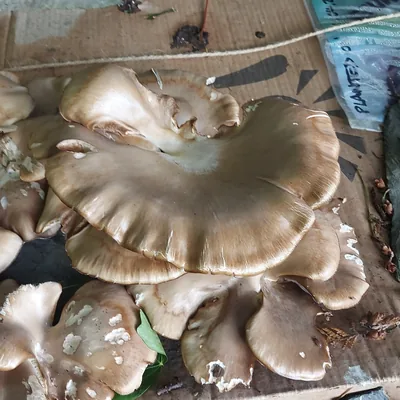
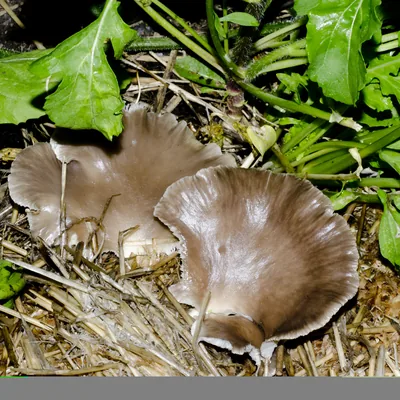
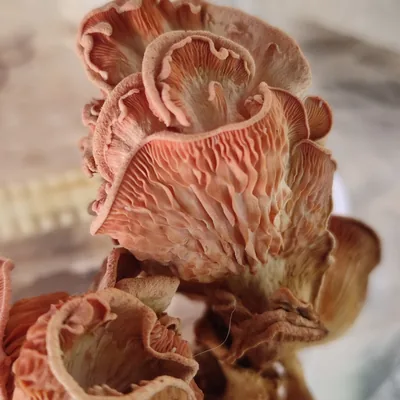
Hypsizygus ulmarius is an edible mushroom in the family Lyophyllaceae. It grows in wounds and holes in trees such as elms and Acer negundo. Its flavor is described as meaty.[3][10][13]
Edible. Eat it cooked. Never eat a wild mushroom identified only from photos.
- Season in Mexico
- HabitatTree wood
- FlavorRobust, meaty
- GrowingEasy
- FamilyLyophyllaceae
How do you identify Elm oyster?
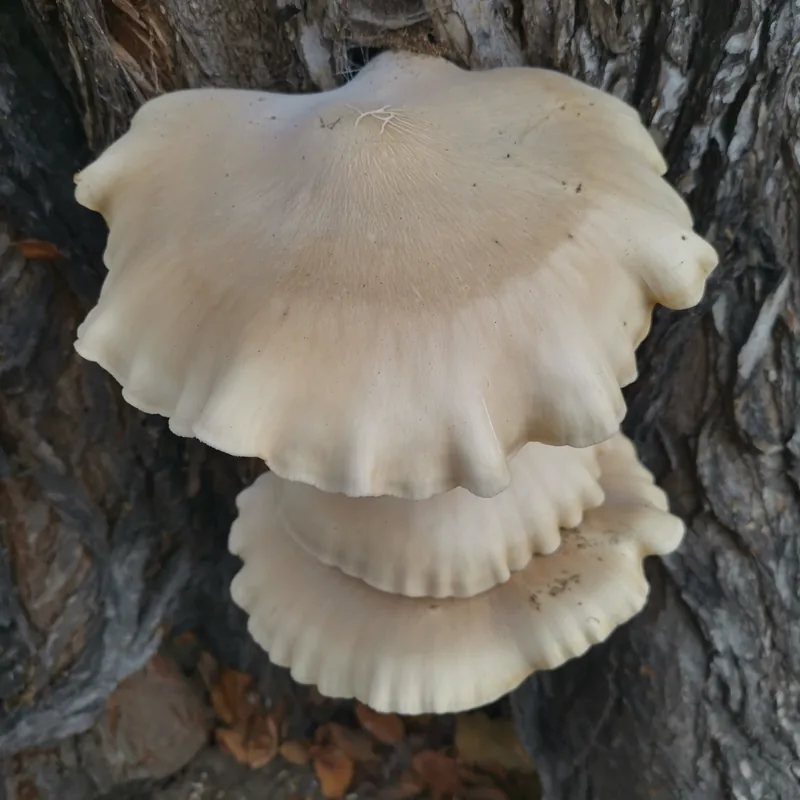
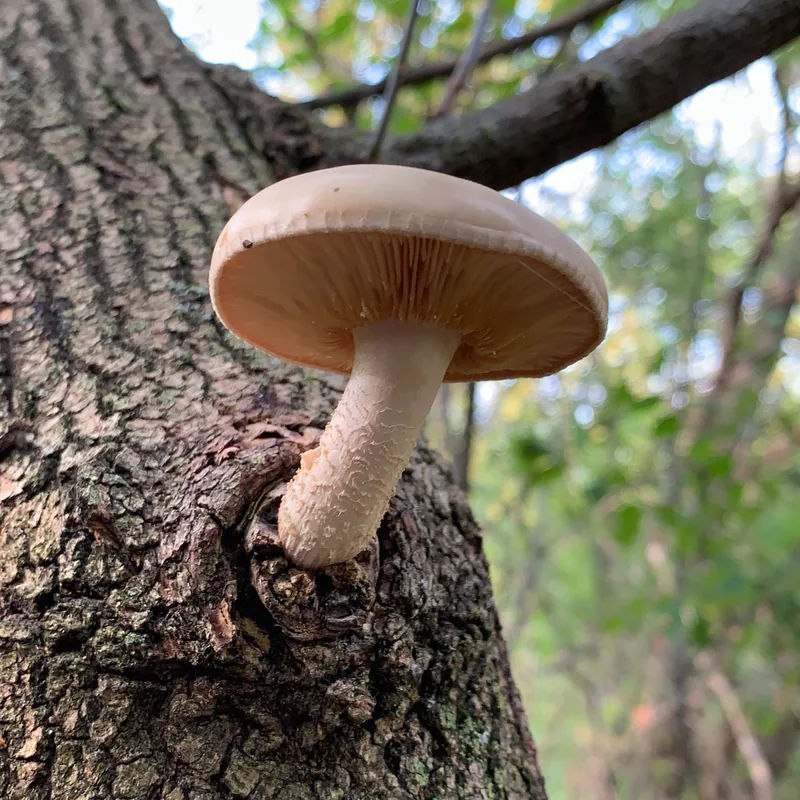
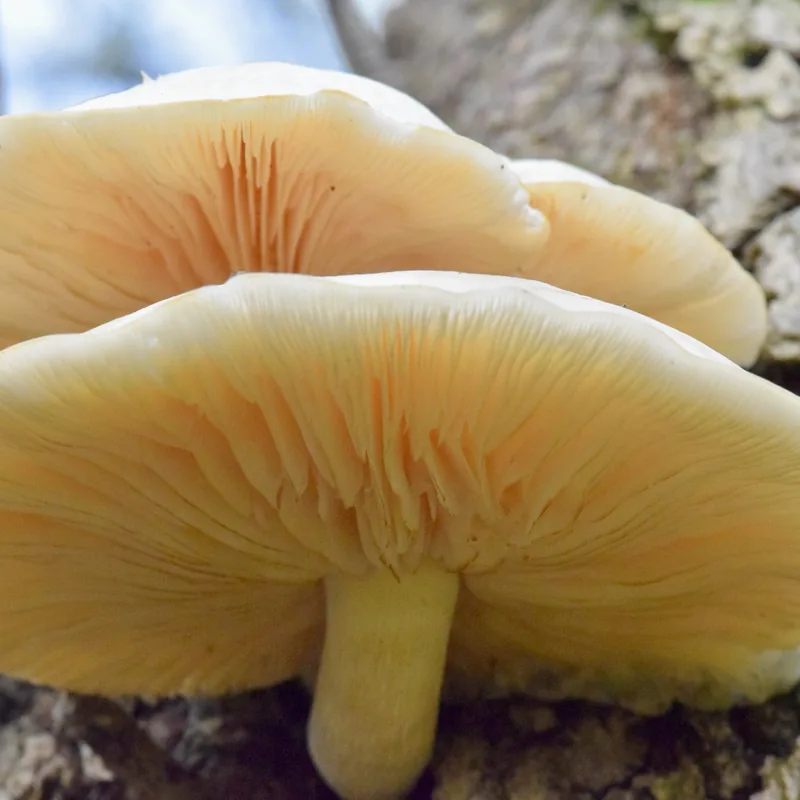
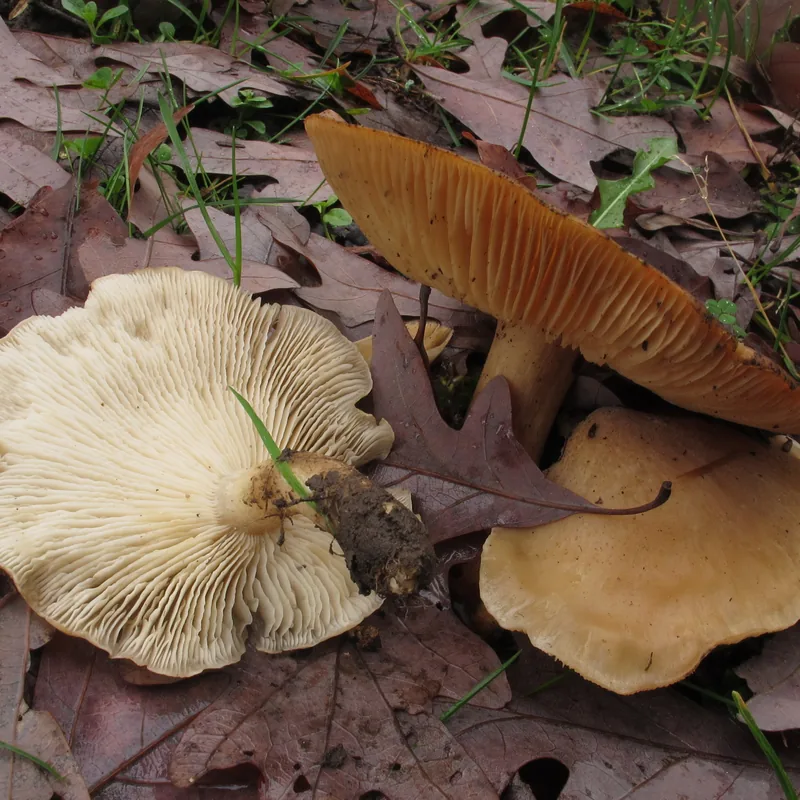
- Cap
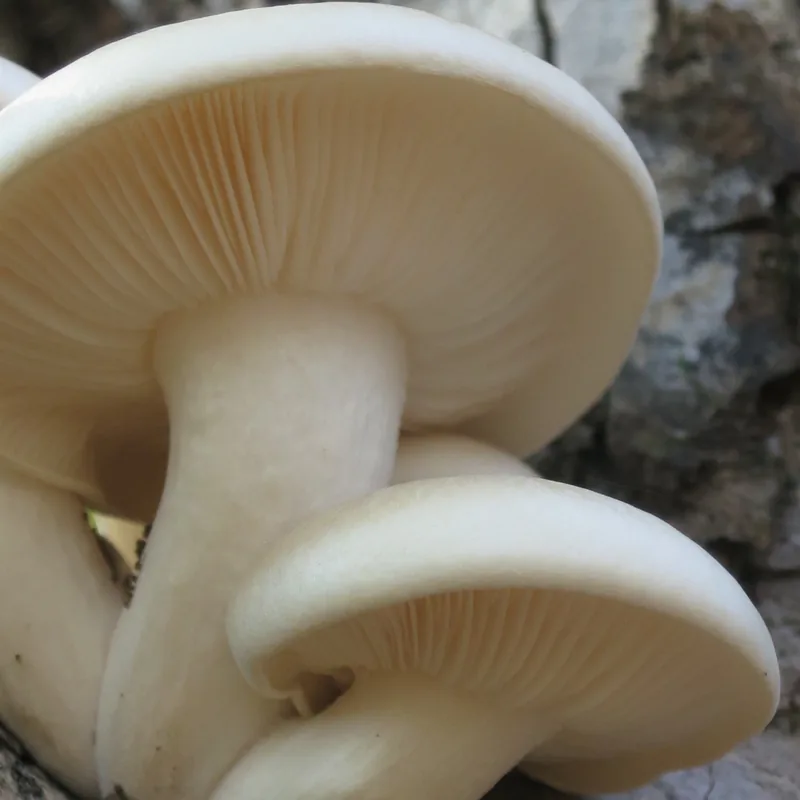
- 5-15 cm wide; white, buff or tan. It may develop cracks as it ages.[1]
- Gills
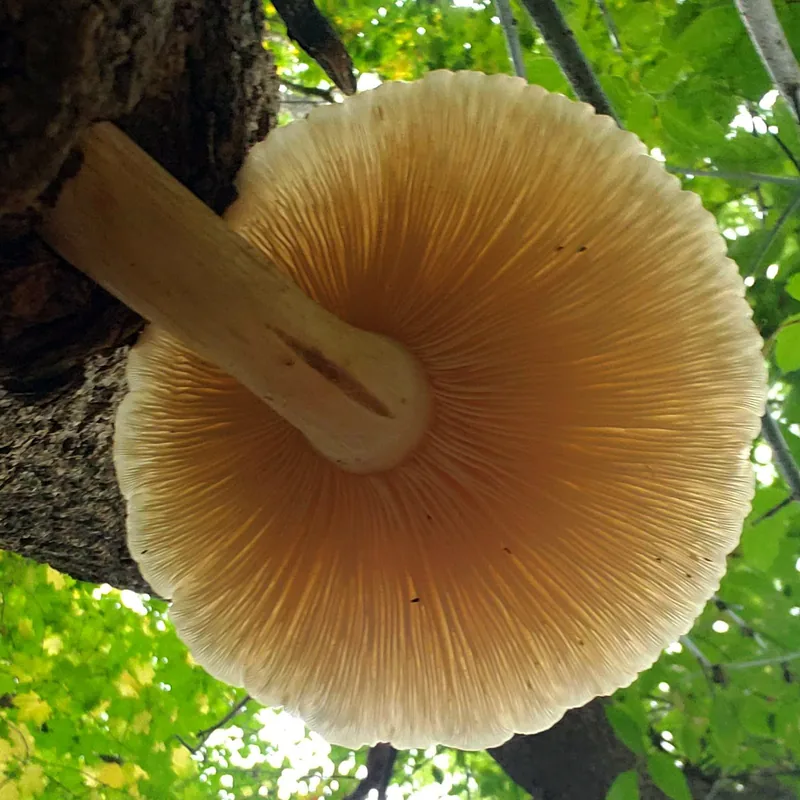
- Attached to the stem; whitish, becoming cream. They end at their junction with the stem.[1]
- Stem
- 5-10 cm long and 1-2.5 cm thick; whitish, stout, off-center to nearly central.[1]
- Ring
- Stem without a ring.[3]
- Spore print
- White to buff.[1]
- Texture
- Firm, succulent flesh.[3]
- Cultivated form
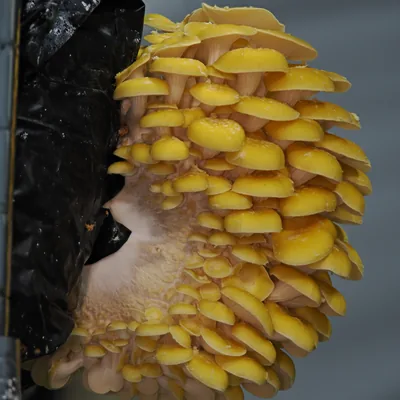
- Large fruiting bodies; the pinheads are bluish, which earned it the name 'blue oyster mushroom'.[3]
Can you eat Elm oyster?
Edible. Have an experienced identifier confirm any wild specimen before you eat it. Examine several features and its substrate.[3][9]
How do you grow Elm oyster?
Temperature
Colonization21–27 °C
Fruiting13–18 °C
Humidity
Colonization0–90 %
Fruiting0–92 %
Full cycle: 35 days
- Light
- Indirect
Substrates
Log your batches, temperatures and harvests. The free plan needs no card.
How do you cook Elm oyster?
It has a firm, succulent texture. It belongs to the culinary shimeji group: you can sauté it and use it in soups, stews and sauces. Cook it before eating.[3][5]
Where and when does Elm oyster grow?
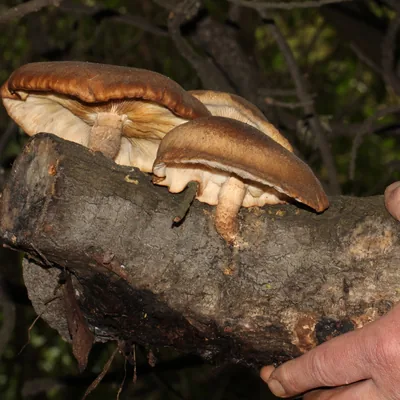
It grows on wounds and branch scars of living hardwood trees, especially elms and Acer negundo.[1]
The source describes fruiting from August through December; a Mexican seasonal calendar remains undocumented.[1]
It is recorded in the United States (Wisconsin). It is widely grown in China, Japan and other Asian countries. Mexican states await confirmation from Mexican sources.[10][11][12]
About the name
Pleurotus ulmarius is a synonym of Hypsizygus ulmarius. Field guides have confused this species with Hypsizygus tessulatus; check the scientific name when consulting descriptions.[1][2]
Fun facts
- In Japan, it appears among the mushrooms called shimeji under the name shirotamogidake.[5]