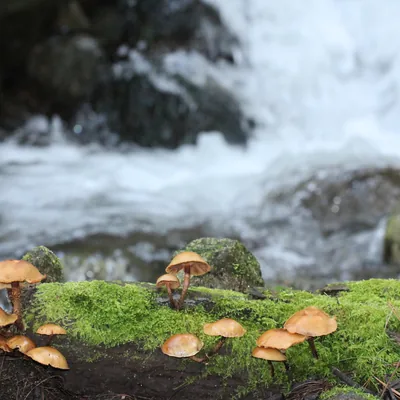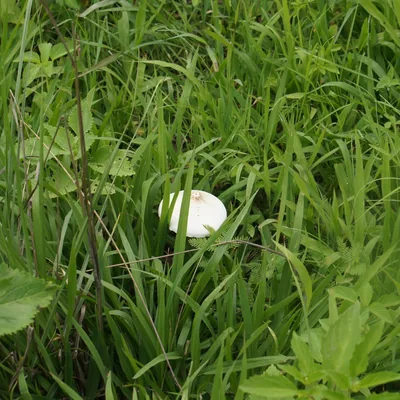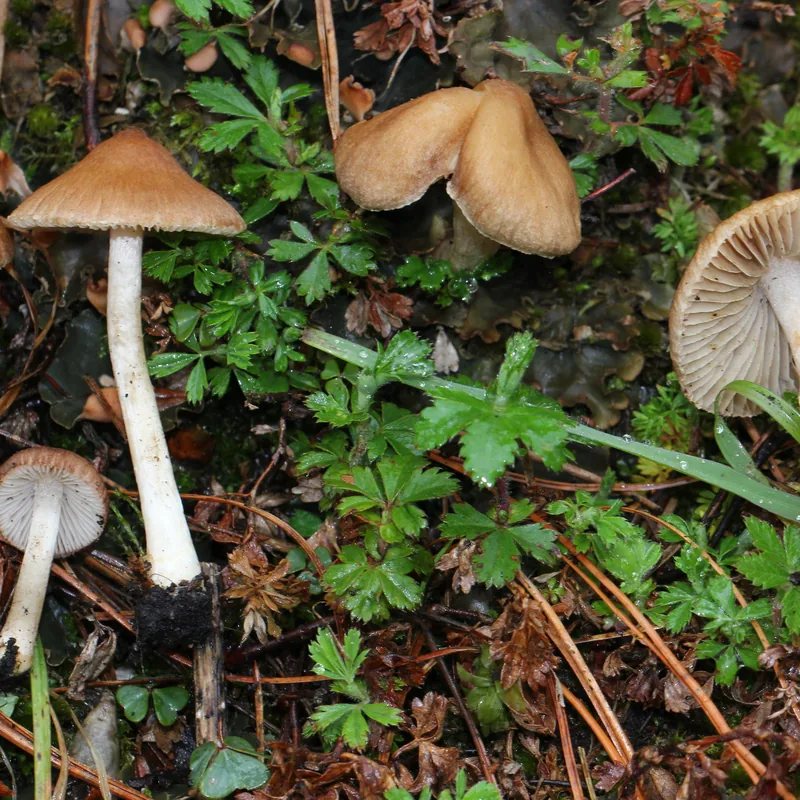
Poisonous. Causes poisoning. Never eat a wild mushroom identified only from photos.
- Season in Mexico
- HabitatWoodland soil
- FamilyInocybaceae
What happens if someone eats Fiber caps?
Did someone eat a wild mushroom and feel sick? Call emergency services and bring a sample of the mushroom.
- Toxins
- Muscarine: This is the main toxin addressed on this page. It stimulates receptors in the autonomic nervous system, causing excessive secretions and digestive, respiratory and cardiovascular effects.
- When symptoms start
- The first symptoms can appear between 15 minutes and 2 hours after eating the mushroom. Later presentations have also been documented.
- What to do
- If you ate a possible Inocybe, call a poison center or emergency services immediately. Do not wait for symptoms. Take a sample of the mushroom for identification. If the person has trouble breathing, has a seizure, collapses or is difficult to wake, request an ambulance immediately.
How do you identify Fiber caps?
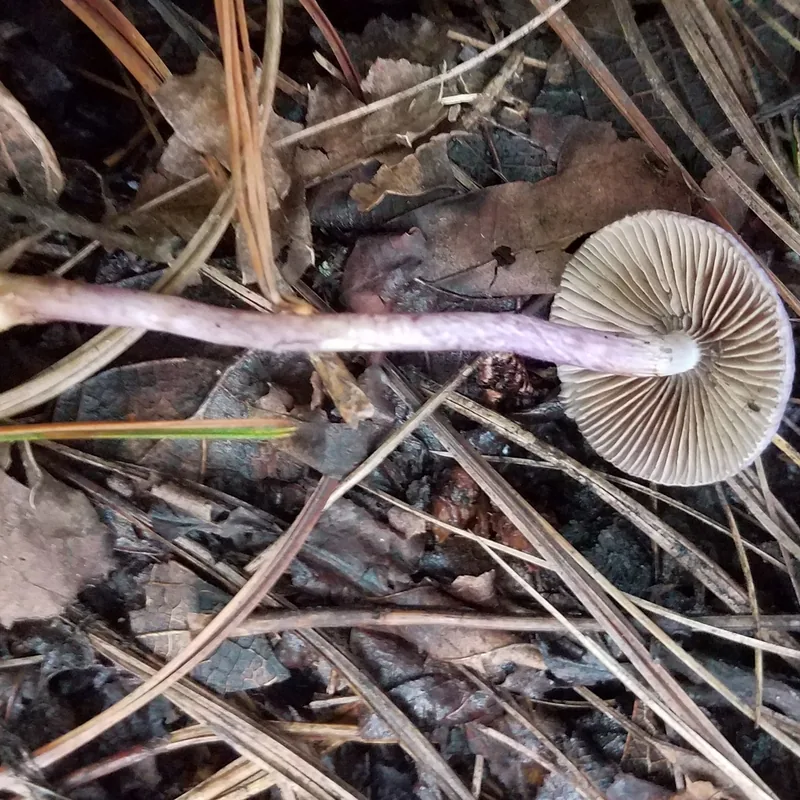
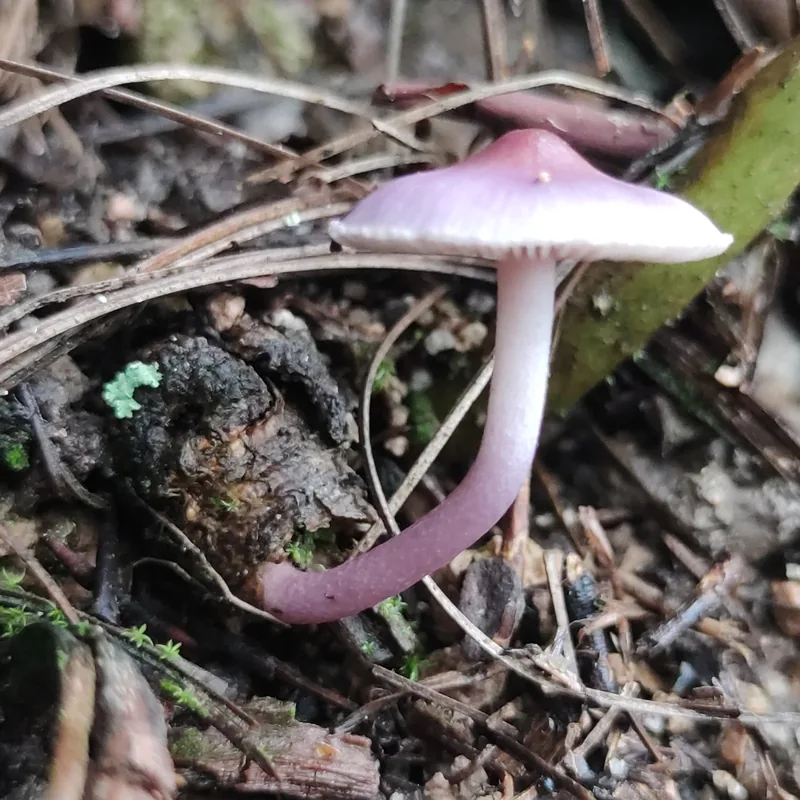
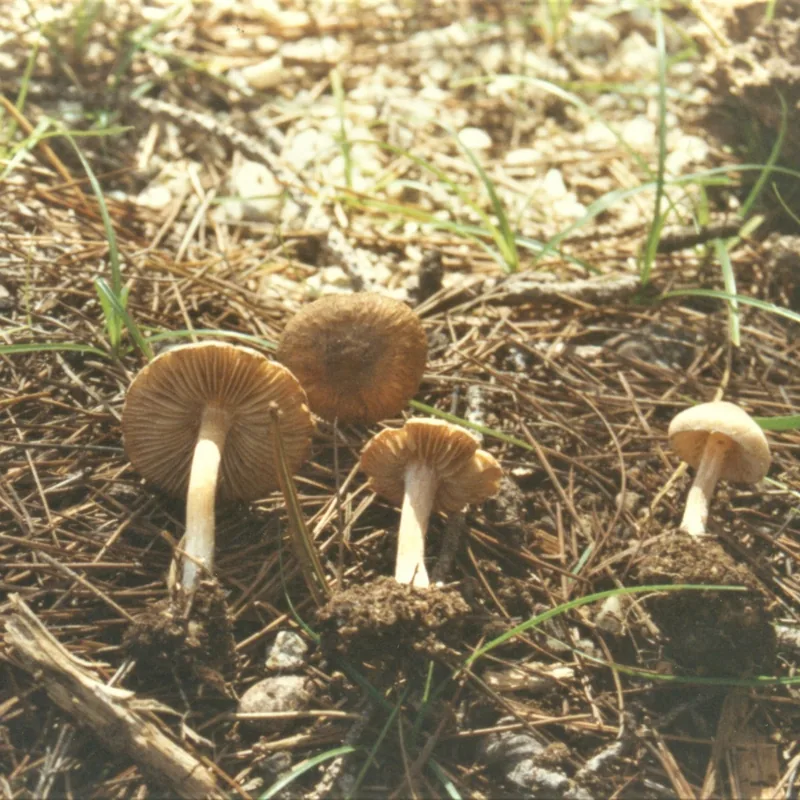
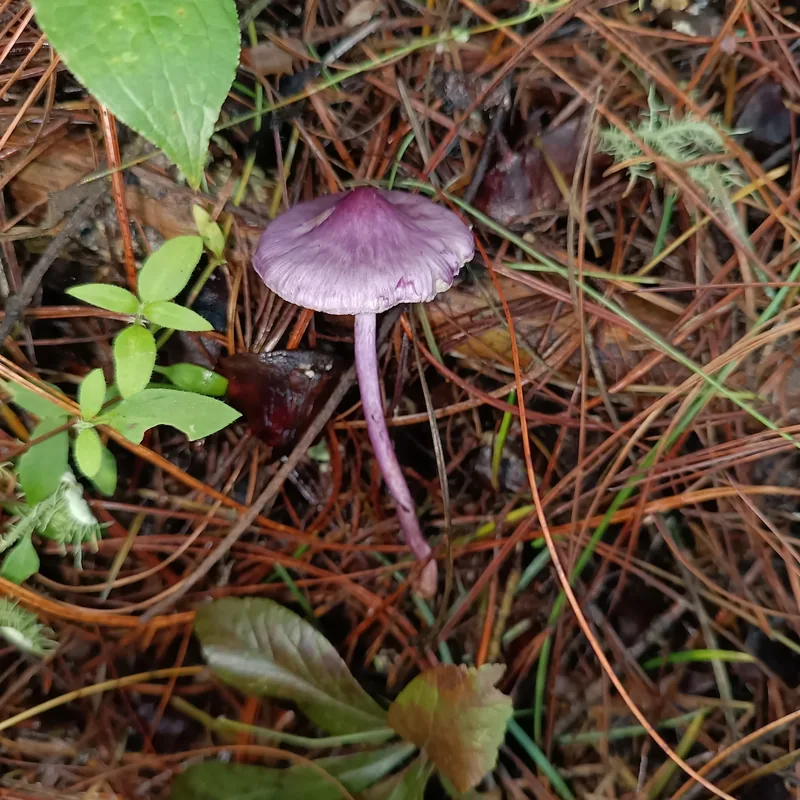
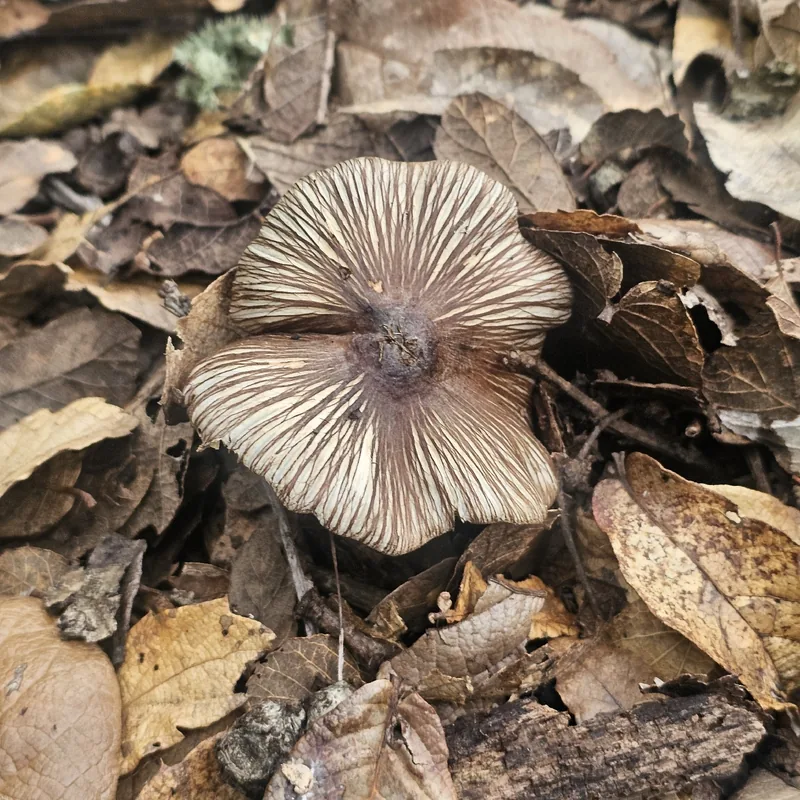
- Cap
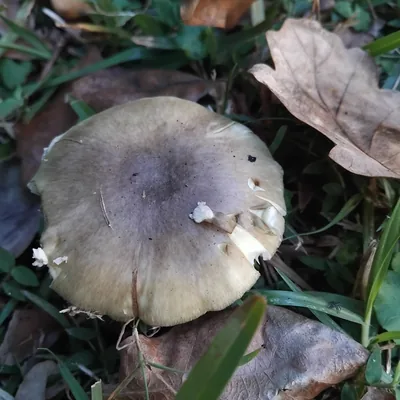
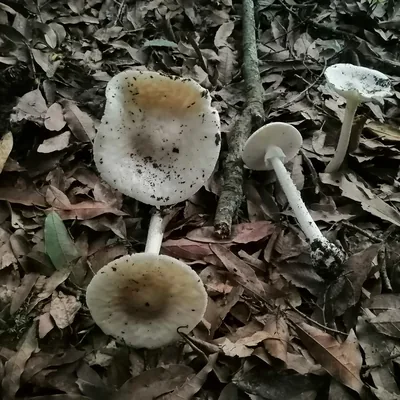
- Often conical, with a silky, fibrous or scaly surface. Examples include the whitish cap of I. geophylla, measuring 1-4 cm, and the brown to dark brown cap of I. calospora, measuring 1-3 cm.[3][4][5]
- Gills
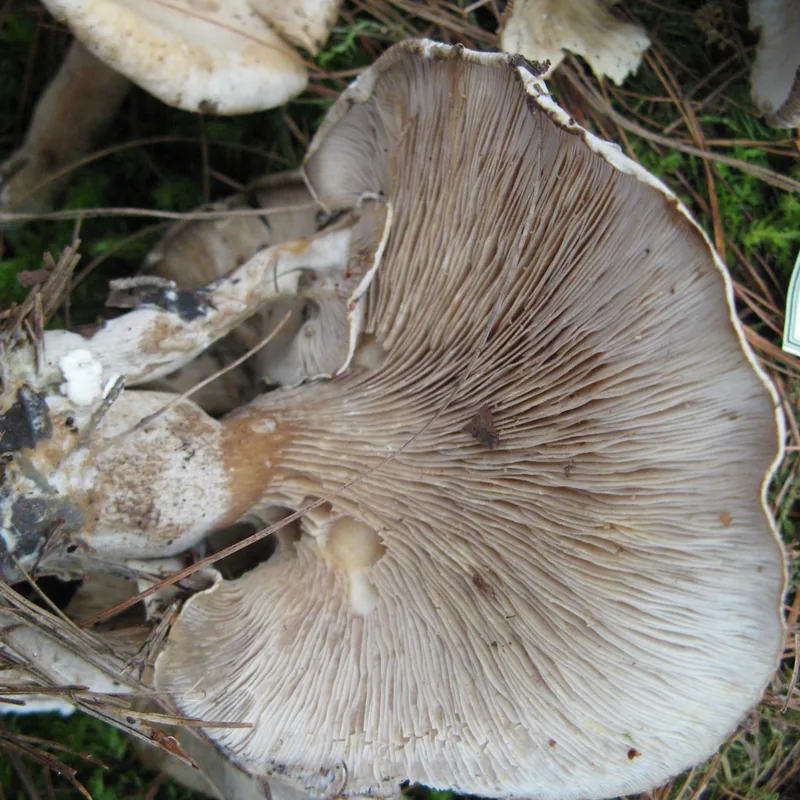
- In I. geophylla, the gills attach to the stem, are closely spaced and change from whitish to grayish brown and finally medium brown.[4]
- Stem
- In I. geophylla, the stem is 1-6 cm long, whitish, dry and silky.[4]
- Veil
- Young I. geophylla mushrooms have a white, cobweb-like cortina covering the gills.[4]
- Flesh
- In I. calospora, the flesh is thin and yellowish to brownish.[5]
- Spore print
- Brown. Spore shape and other microscopic features help identify individual species.[3]
- Smell
- I. geophylla usually has a spermatic odor; some specimens have an indistinct smell.[4]
What can Fiber caps be confused with?
Can you eat Fiber caps?
Treat mushrooms in this genus as toxic and exclude them from collections intended for food. UNAM lists several species among Mexico's toxic mushrooms. Cooking a poisonous mushroom leaves a risk of poisoning.[6][15]
Where and when does Fiber caps grow?
These mycorrhizal mushrooms associate with trees. I. geophylla grows on soil with hardwoods and conifers; Mexican records include pine and pine-oak forests.[3][4][7]
Mexican collections document I. tristis in July, I. fibrosoides and I. grammopodia in August, and I. corydalina in October. These dates describe specific specimens; the season varies by species and location.[8]
The genus has a worldwide distribution. Mexican records include I. geophylla in Jalisco and Sonora, I. fibrosoides in Estado de México, I. corydalina and I. grammopodia in Hidalgo, and I. tristis in Morelos. The state list brings together the records consulted.[6][7][8][9][21]
About the name
Modern classification separates Inocybe, Inosperma, Mallocybe and Pseudosperma. Older Mexican studies use a broad concept of Inocybe; this page retains their published names when describing those records.[7][8][9]