Skip to content
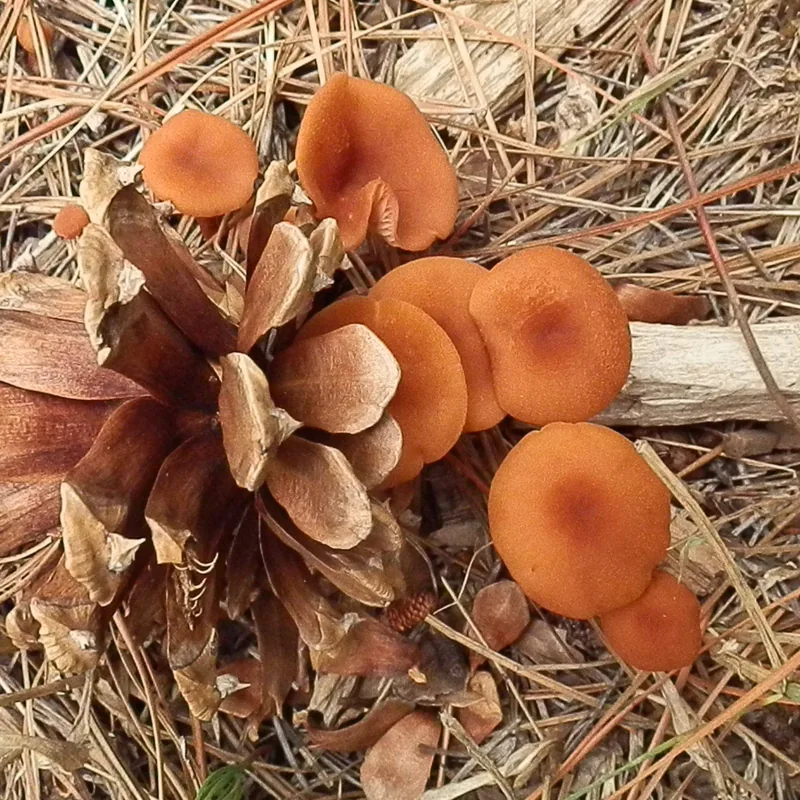
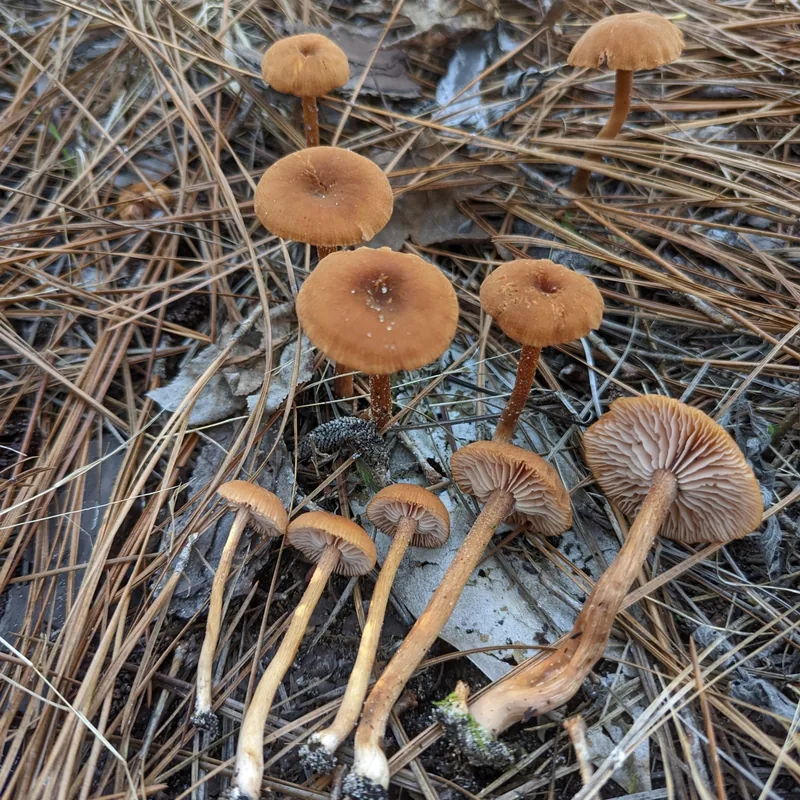
Xoxocoyoli (Laccaria trichodermophora), photo
Photo
Wild in Mexico

XoxocoyoliLaccaria trichodermophora

Xuxocoyoli · Xocoyul · Morenito · Clavito · Xocoyoli (San Isidro Buensuceso, Tlaxcala)

Laccaria trichodermophora is a wild edible mushroom associated with young pines in Mexico's Transmexican Volcanic Belt. It is sold in markets in central Mexico and used in traditional cooking in Tlaxcala.[4][5][6]

Edible. Eat it cooked. Never eat a wild mushroom identified only from photos.

  • Season in Mexico
  • HabitatPine forests
  • FamilyHydnangiaceae

How do you identify Xoxocoyoli?
Cap
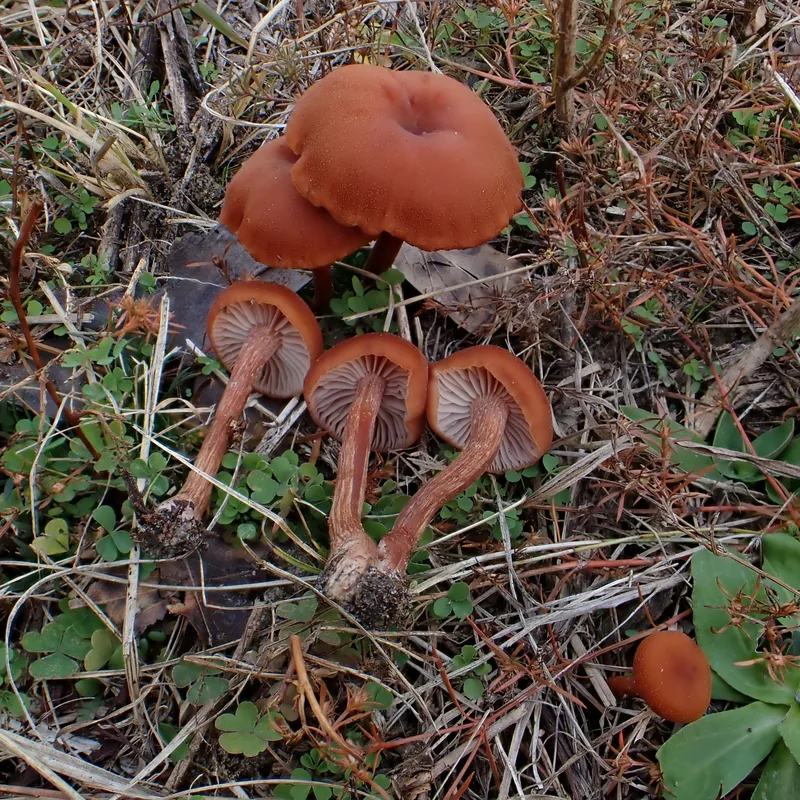
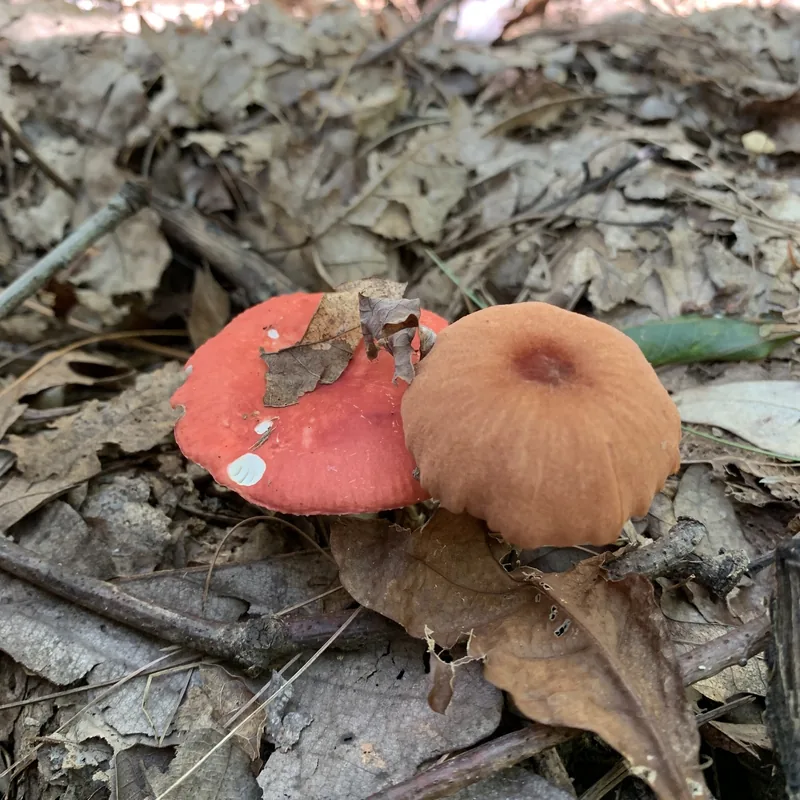
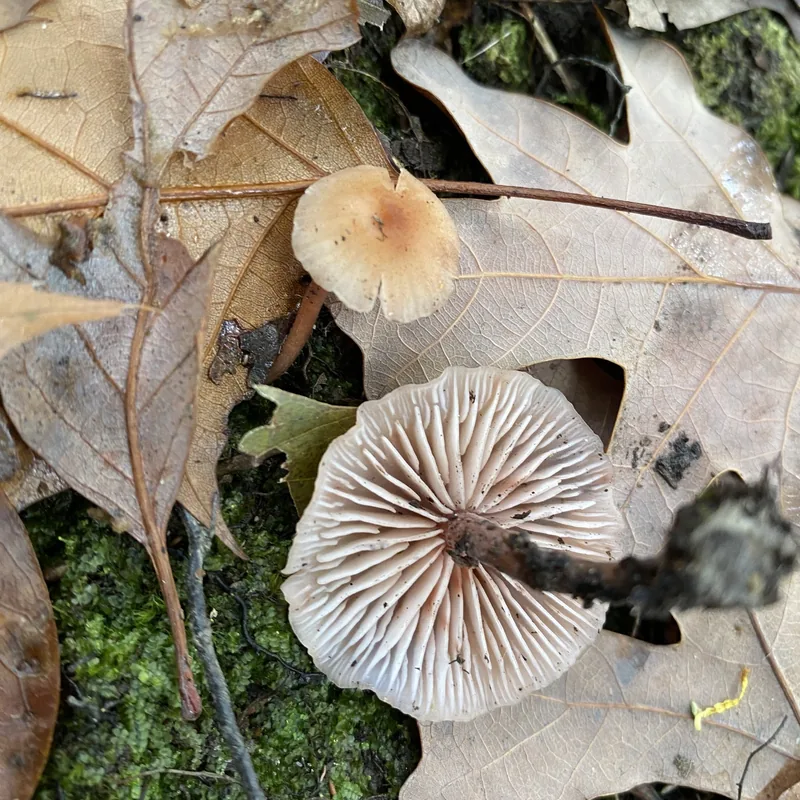
1-7 cm; convex, becoming flat. Brownish orange to reddish brown, with hairs or scales.[2]
Gills
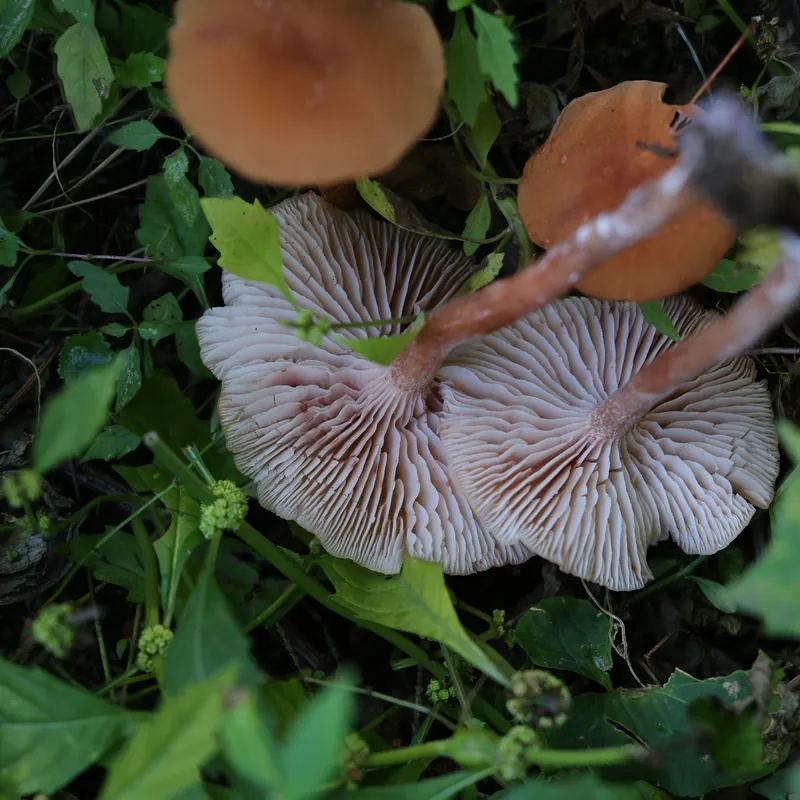
Attached to the stem; pinkish flesh-colored.[2]
Stem
2-12 cm long and up to about 1 cm thick; hairy, colored like the cap.[2]
Basal mycelium
Purplish at first, soon fading to whitish.[2]
Flesh
Thin and pinkish flesh-colored.[2]
Spore print
White.[2]

Can you eat Xoxocoyoli?

It is edible. Eat it only after an expert confirms its identification, and cook it thoroughly. Similarities among Laccaria species can require microscopic examination.[3][7][8][9]

Where and when does Xoxocoyoli grow?

It forms ectomycorrhizal associations with trees. In Mexico, it primarily associates with young pines, including Pinus montezumae and Pinus hartwegii, in the mountains of the Transmexican Volcanic Belt.[6]

It fruits during the rainy season. The Mexican sources reviewed describe this season without specifying a monthly calendar for the species.[5][6]

The records reviewed include Chichinautzin, in Morelos-Mexico City, and La Malinche, in Tlaxcala-Puebla. Its range includes Mexico and the southeastern United States, with additional reports from Central and South America.[5][6]
Baja CaliforniaBCSonoraSONChihuahuaCHHCoahuilaCOANuevo LeónNLBaja California SurBCSSinaloaSINDurangoDURZacatecasZACSan Luis PotosíSLPTamaulipasTAMNayaritNAYJaliscoJALAguascalientesAGSGuanajuatoGTOQuerétaroQROHidalgoHGOColimaCOLMichoacánMICEstado de MéxicoMEXCiudad de MéxicoCDMXTlaxcalaTLXVeracruzVERYucatánYUCGuerreroGROMorelosMORPueblaPUETabascoTABCampecheCAMQuintana RooROOOaxacaOAXChiapasCHP
States with records (4/32): Ciudad de México, Tlaxcala, Morelos, Puebla

See the mushroom map

Names in Mexico

  • Morenito · Ixtenco, Tlaxcala[4]
  • Xocoyul · Ixtenco, Tlaxcala[4]
  • Xocoyoli · San Isidro Buensuceso, Tlaxcala[10]
  • Xuxocoyoli · San Isidro Buensuceso, Tlaxcala[10]
  • Xoxocoyoli · San Isidro Buensuceso, Tlaxcala[10]
  • Xocoyol-nanacatl · San Isidro Buensuceso, Tlaxcala[10]
  • Clavito · San Isidro Buensuceso, Tlaxcala[10]

Fun facts

  • In San Isidro Buensuceso, names related to xocoyoli refer to the youngest child in a family and the mushroom's small size.[10]
  • Its cap surface has perpendicular hyphae, forming a microscopic structure called a trichoderm.[6]

Frequently asked questions

Sources

  1. Xoxocoyoli (Laccaria trichodermophora)
  2. Laccaria trichodermophora (MushroomExpert.Com)
  3. Hongos de México: hongos comestibles
  4. Los hongos conocidos por la comunidad Yuhmu de Ixtenco, Tlaxcala, México
  5. Propagación de cepas de hongos ectomicorrízicos con fines de inoculación
  6. La diversidad intraespecífica de potenciales péptidos efectores MiSSPs como factor relacionado con el desarrollo de la simbiosis en Laccaria trichodermophora
  7. Laccaria bicolor (MushroomExpert.Com)
  8. Laccaria laccata (MushroomExpert.Com)
  9. Intoxicación por Hongos
  10. Folk classification of wild mushrooms from San Isidro Buensuceso, Tlaxcala, Central Mexico

Written with AI help from the cited sources. A second model checked every fact against those sources and removed what they did not support.

Image credits

Photos are under free licenses (CC0, CC BY or CC BY-SA).

Related mushrooms