Skip to content
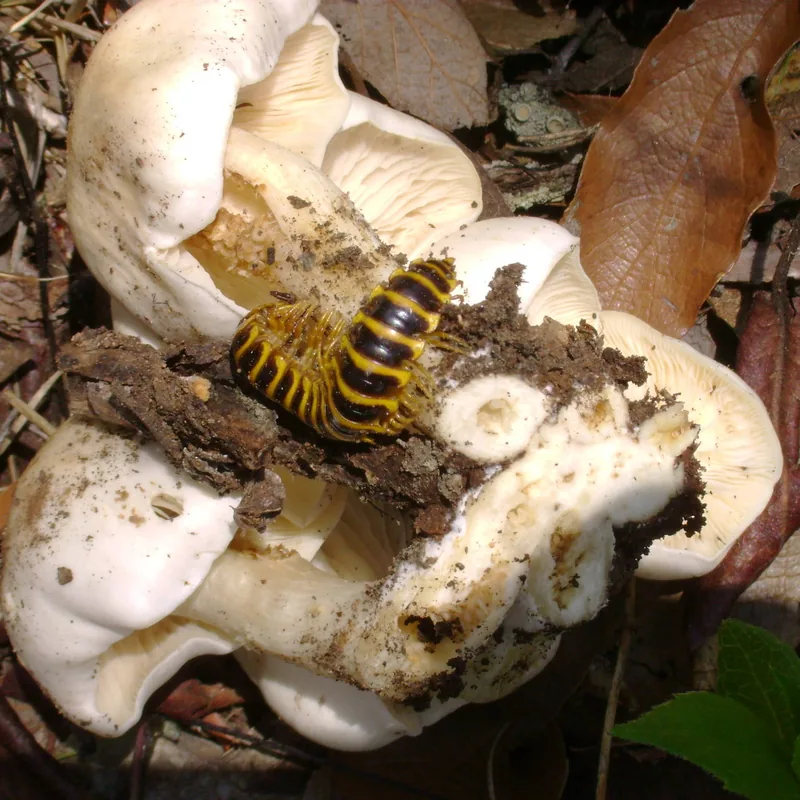
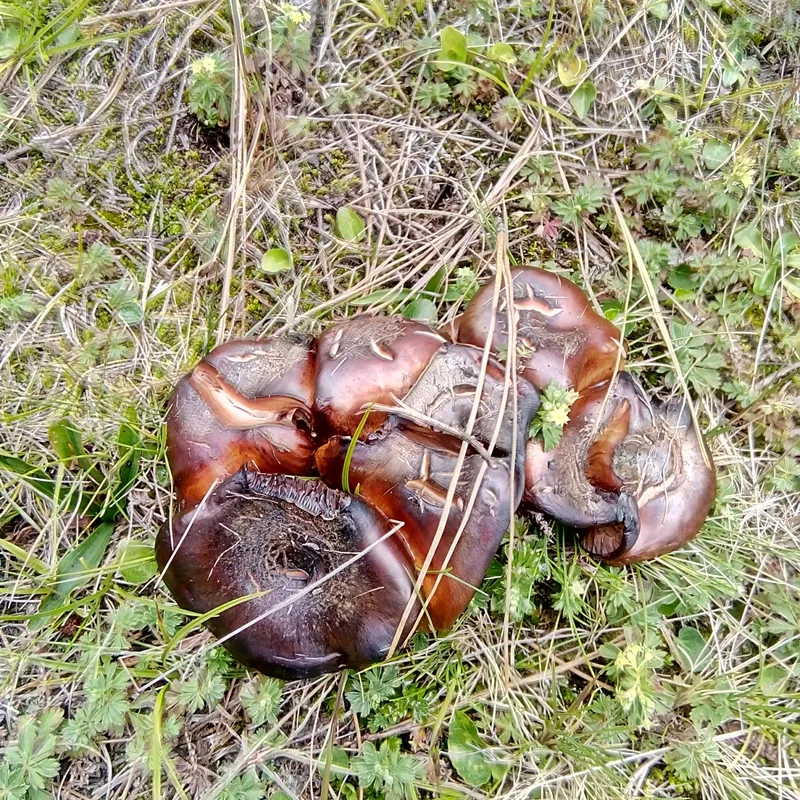
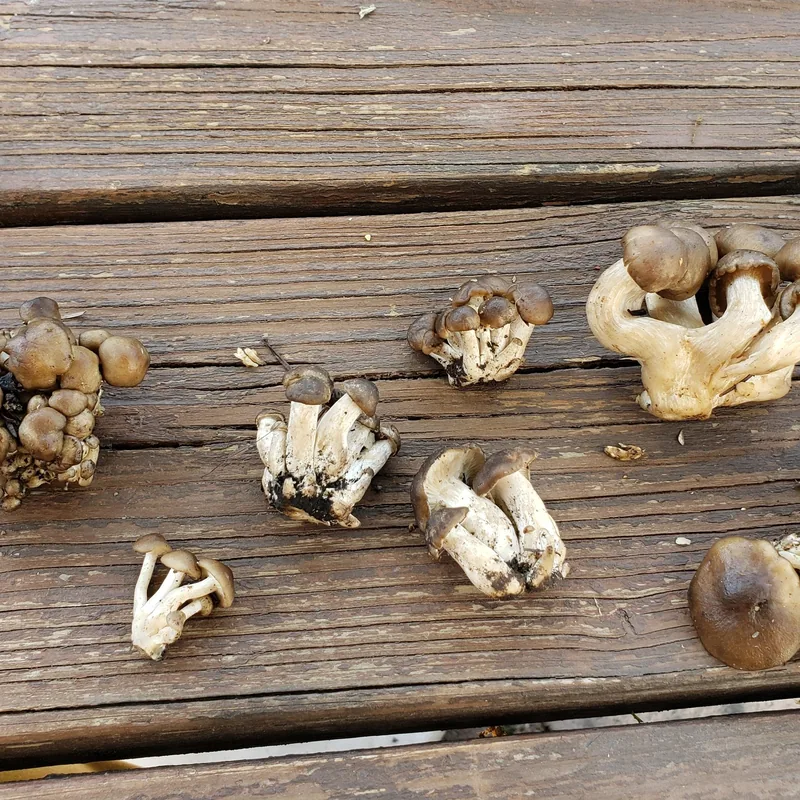
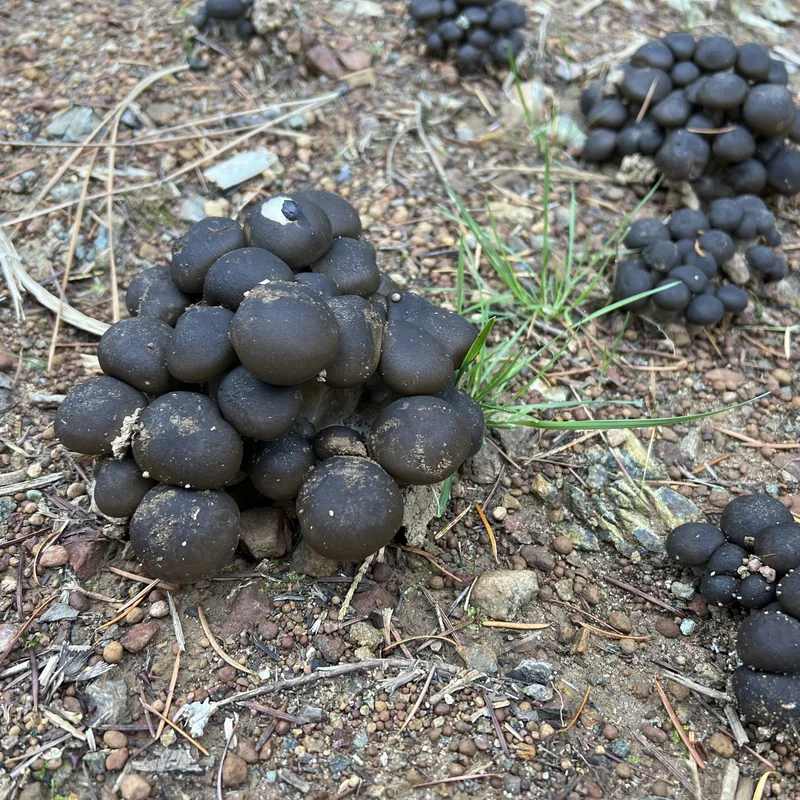
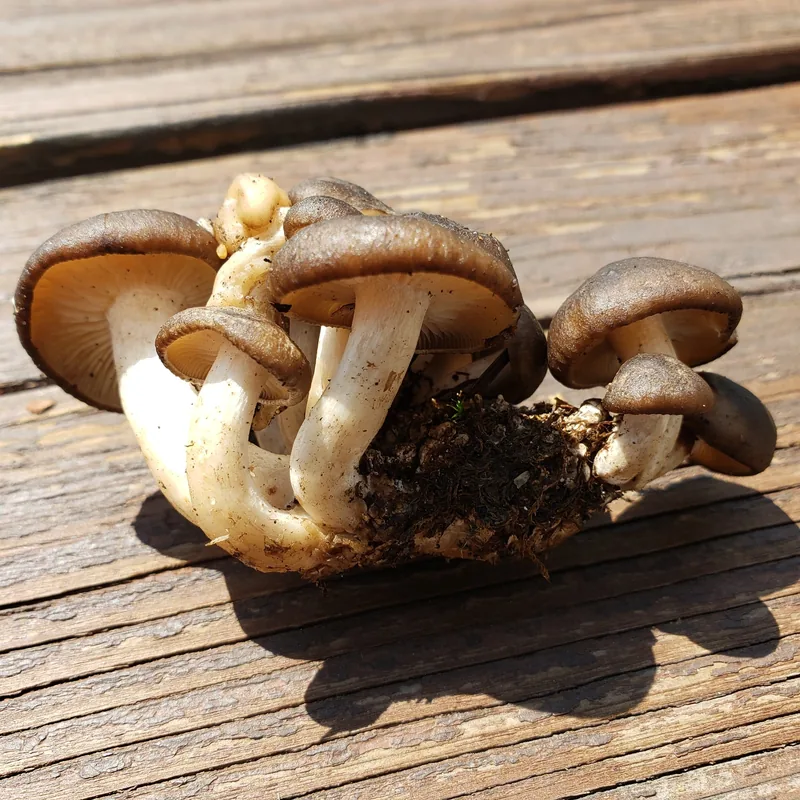
Fried chicken mushroom (Lyophyllum decastes), photo
Photo
Wild in Mexico

Fried chicken mushroomLyophyllum decastes

Clustered domecap · Clavitos · Hongo blanco · Blanquito

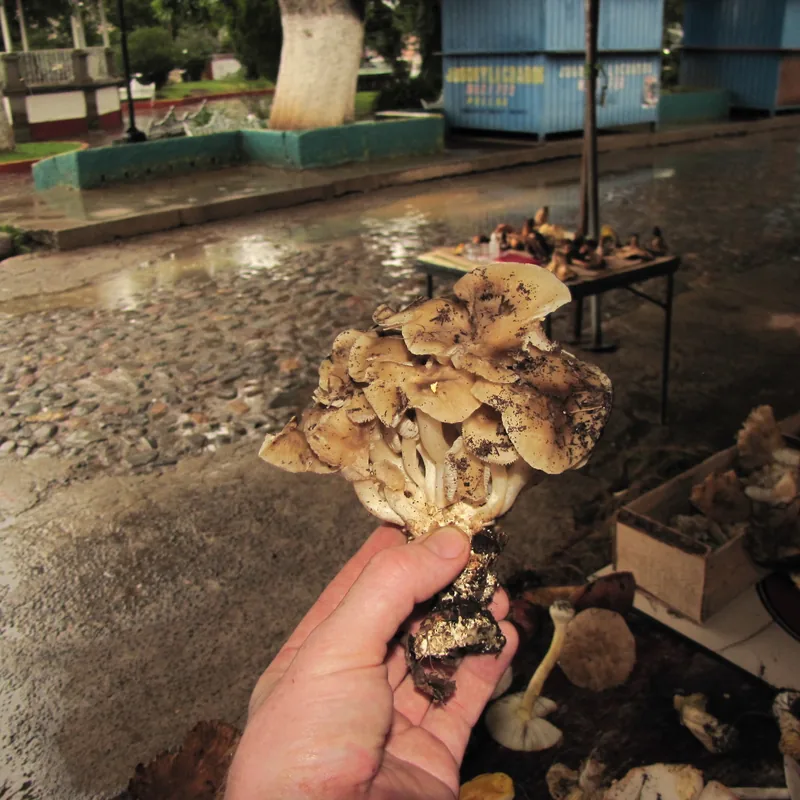
Lyophyllum decastes is an edible mushroom known in Mexico as xolete and clavito. It forms compact clusters on soil beside paths and in woods. Its sale in traditional markets and resemblance to other mushrooms make accurate identification important.[1][4][6][9]

Edible. Eat it cooked. Never eat a wild mushroom identified only from photos.

  • Season in Mexico
  • HabitatPaths and woodland soil
  • FamilyLyophyllaceae

How do you identify Fried chicken mushroom?
Cap
3-12 cm; convex to flat, smooth; grayish brown, yellowish brown or brown.[1]
Gills
Close, white; may yellow with age. Attachment to the stem varies.[1]
Stem
5-10 cm long; up to 2 cm thick. Smooth, dry and whitish.[1]
Ring and volva
Ring and volva absent.[1]
Flesh
White, thick and firm.[12]
Spore print
Pure white.[1]

Can you eat Fried chicken mushroom?

It is edible. Eat it only after an expert confirms the identity of your specimens. Cook it thoroughly and avoid eating it raw. It is more difficult to identify than some other edible species.[1][5][9][10]

Where and when does Fried chicken mushroom grow?

It grows on disturbed soil, beside paths and in woods. Mexican strains have been isolated in association with Abies religiosa.[1][4]

Mexican literature reports June through August for edible Lyophyllum species including L. decastes. The species is specifically recorded in June in Ixtenco, Tlaxcala.[5][7]

Published records include Amanalco, Ixtenco and Tequila Volcano. CONABIO reports Canada, the United States, and western and central Mexico. Some Mexican records use a broad interpretation of L. decastes.[3][5][6][7][8]

Baja CaliforniaBCSonoraSONChihuahuaCHHCoahuilaCOANuevo LeónNLBaja California SurBCSSinaloaSINDurangoDURZacatecasZACSan Luis PotosíSLPTamaulipasTAMNayaritNAYJaliscoJALAguascalientesAGSGuanajuatoGTOQuerétaroQROHidalgoHGOColimaCOLMichoacánMICEstado de MéxicoMEXCiudad de MéxicoCDMXTlaxcalaTLXVeracruzVERYucatánYUCGuerreroGROMorelosMORPueblaPUETabascoTABCampecheCAMQuintana RooROOOaxacaOAXChiapasCHP
States with records (3/32): Jalisco, Estado de México, Tlaxcala

See the mushroom map

Names in Mexico

About the name

L. decastes s.l. covers identifications made in a broad sense. A Mexican study described L. herrerae from specimens previously identified as L. decastes, L. aff. shimeji and Lyophyllum sp. Local names and older records need this taxonomic caution.[5]
Fun facts

  • In San Felipe Hidalgo, Tlaxcala, a youth group calls itself “los xoletes,” referring to the clustered growth of these mushrooms.[4]
  • Lyophyllum decastes is commercially cultivated in China, where it is called luronggu.[11]

Frequently asked questions

Sources

  1. Lyophyllum decastes — MushroomExpert.Com
  2. Hongo clavito (Lyophyllum decastes) — Enciclovida
  3. Hongo clavito — ficha de CONABIO
  4. Hongos Comestibles de México: Lyophyllum decastes s.l. — UNAM
  5. Lyophyllum herrerae sp. nov. uno de los hongos de mayor importancia cultural en el centro de México, con potencial de fructificación en cultivo
  6. Conocimiento tradicional y aprovechamiento de los hongos comestibles silvestres en la región de Amanalco, Estado de México
  7. Los hongos conocidos por la comunidad Yuhmu de Ixtenco, Tlaxcala, México
  8. Catálogo de los hongos del Volcán de Tequila, Municipio de Tequila, Jalisco, México
  9. Edible, poisonous and ecologically vital: appreciating the diversity of mushrooms
  10. Wild Mushroom Safety: Identification, Cooking, and Poison Awareness
  11. Complete genome sequences and comparative secretomic analysis for the industrially cultivated edible mushroom Lyophyllum decastes reveals insights on evolution and lignocellulose degradation potential
  12. Biodiversity of Macrofungi of Northern Door County — University of Wisconsin Green Bay

Written with AI help from the cited sources. A second model checked every fact against those sources and removed what they did not support.

Image credits

Photos are under free licenses (CC0, CC BY or CC BY-SA).

Related mushrooms