Coral mushroomRamaria
Coral fungi · Escobeta · Corales · Patitas de pájaro · ua ts'ints'u
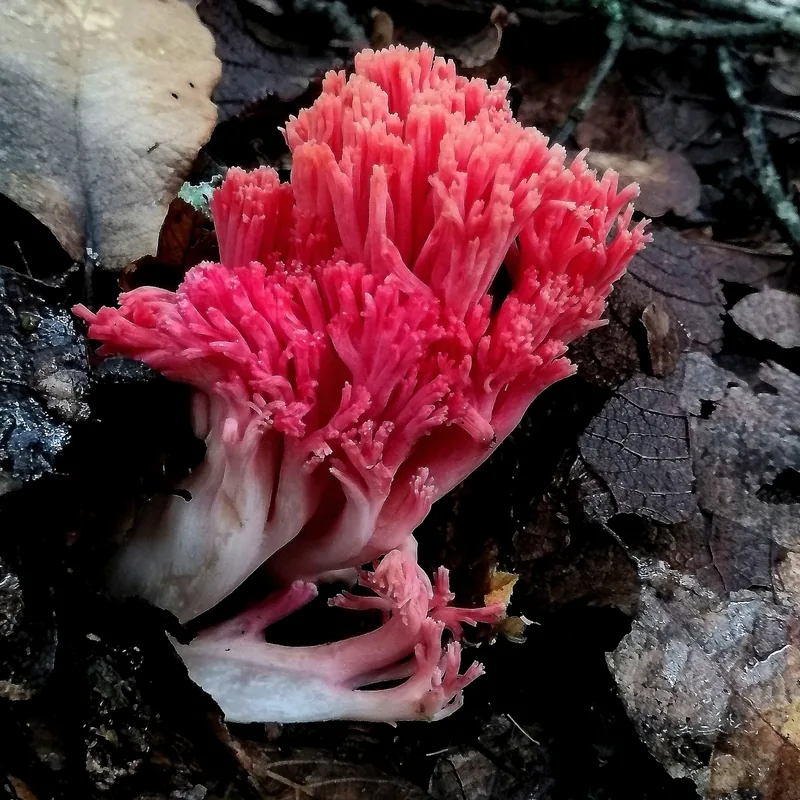
Ramaria is a genus of woodland fungi with branching, coral-shaped fruiting bodies. In Mexico, people seek them for their traditional food uses and for help identifying edible and purgative species.[2][17][19]
Edible with caution. Eat it only well cooked and with a sure ID. Never eat a wild mushroom identified only from photos.
- Season in Mexico
- HabitatForests, soil and wood
- FamilyGomphaceae
How do you identify Coral mushroom?
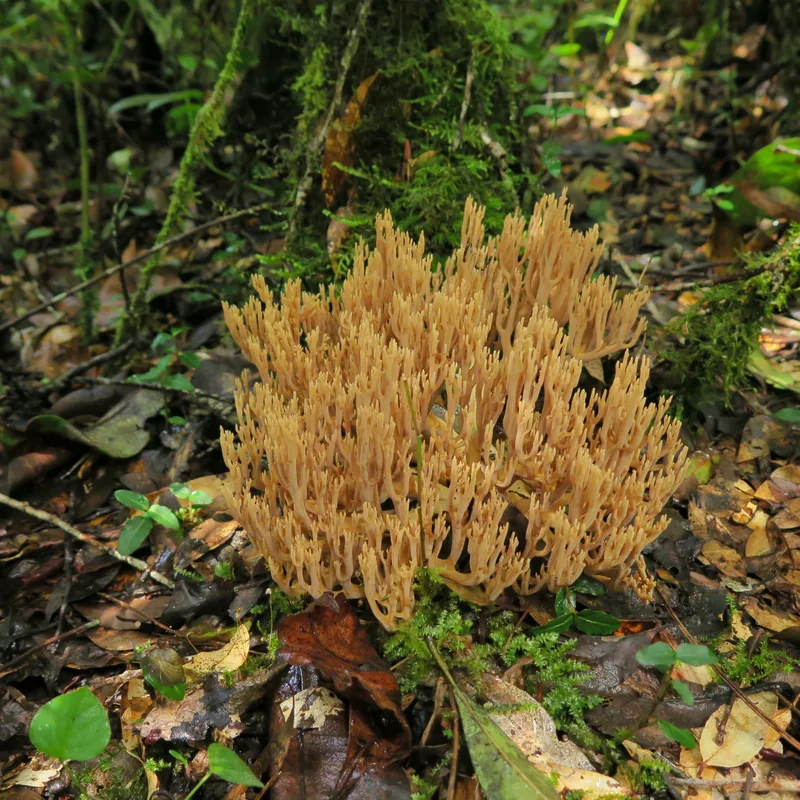
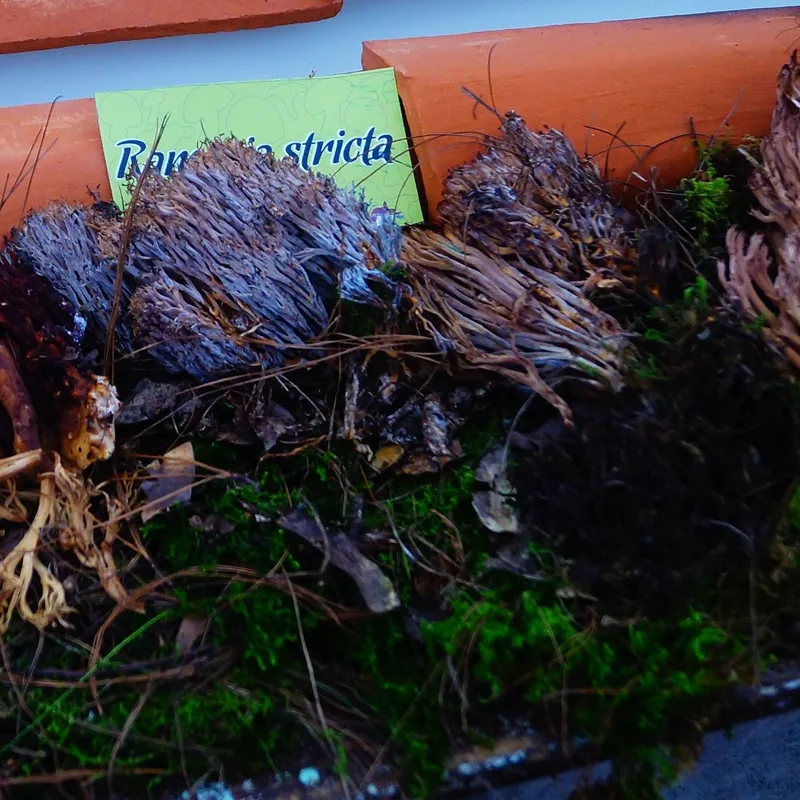
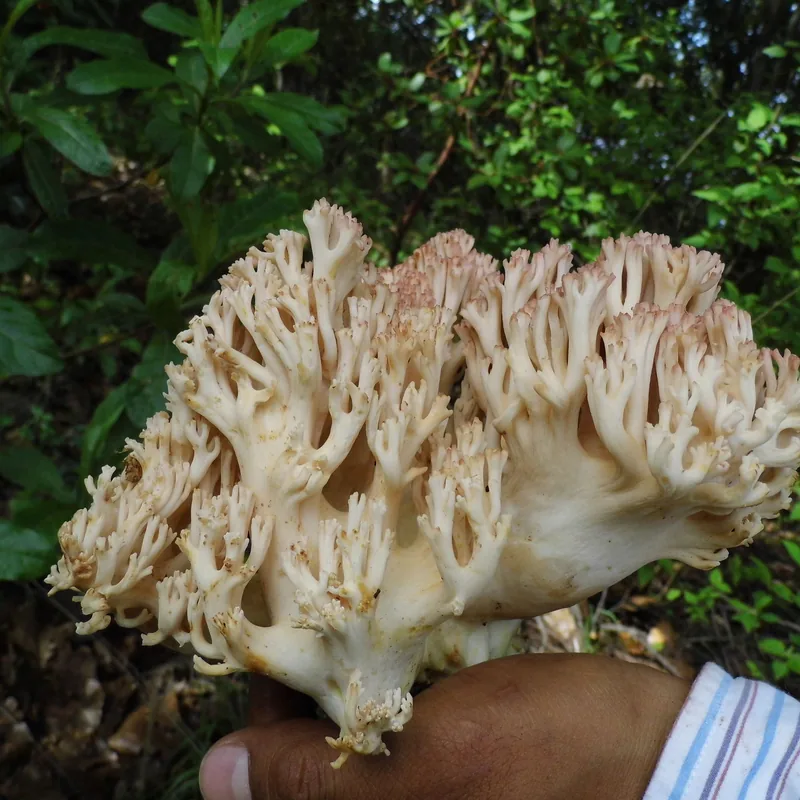
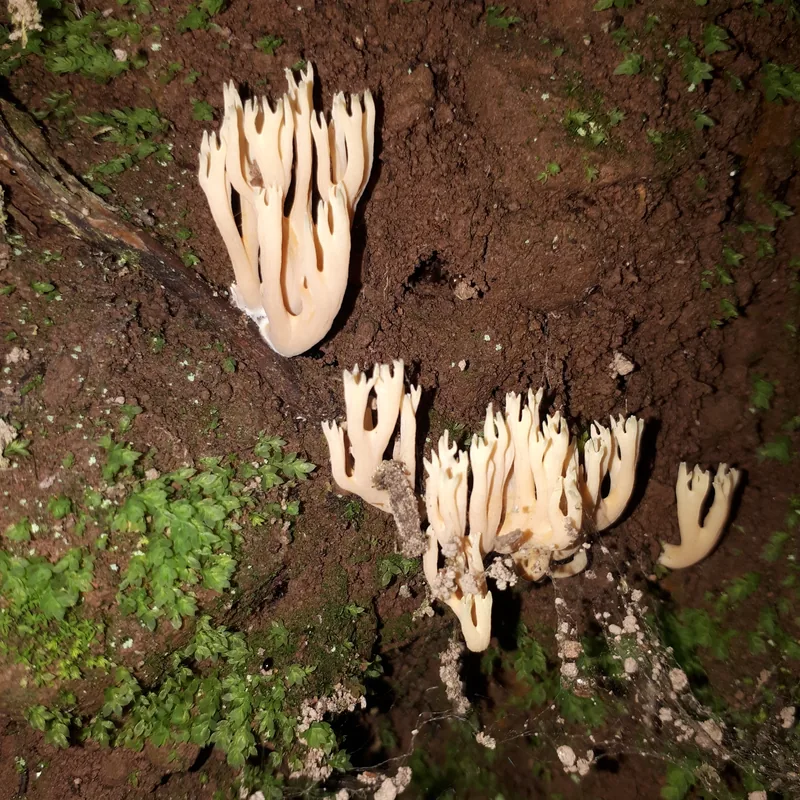
- Shape
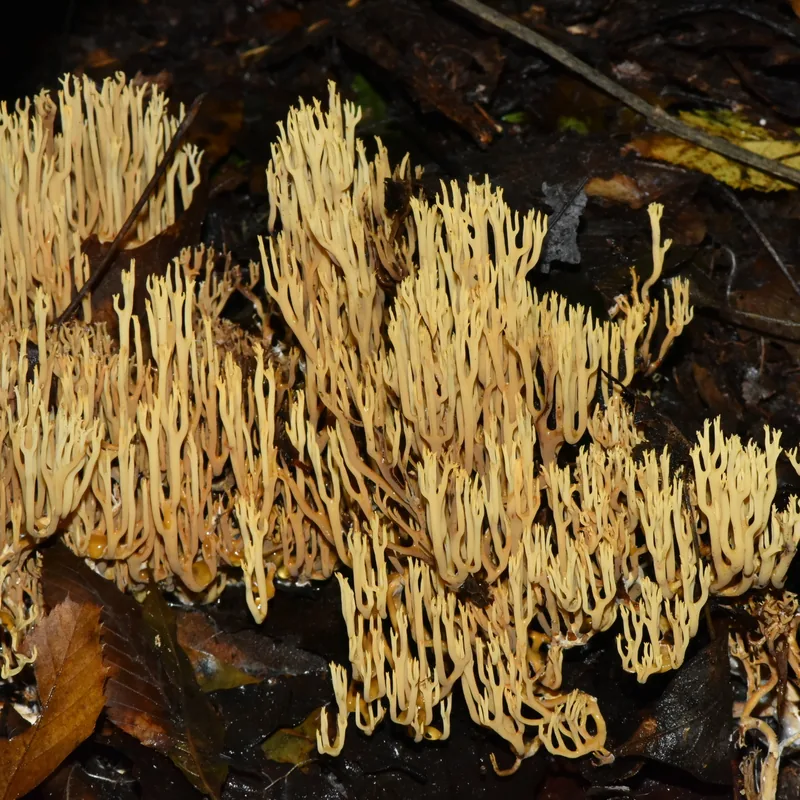
- A branching, coral-shaped fruiting body. Branch arrangement helps distinguish species.[2]
- Base
- R. botrytis has a stout, whitish base supporting short, densely packed branches with pink, purple or red ends.[3]
- Spore print
- R. botrytis produces a yellowish spore print; R. stricta produces a rusty yellowish print.[3][4]
- Size
- Examples: R. botrytis measures 7-20 cm high and 6-30 cm wide; R. stricta measures 4-14 cm high and 4-10 cm wide.[3][4]
- Color changes
- Colors can change after handling or collection. R. stricta surfaces bruise purplish brown.[4]
Can you eat Coral mushroom?
The genus includes edible species and toxic or purgative species. Eat only specimens that an expert has identified as an edible species. Cook them thoroughly.[14][15][16][17][19]
Where and when does Coral mushroom grow?
The genus occurs in conifer, oak and mixed forests, as well as humid tropical and montane forests. Some species grow on soil and others on wood.[2]
Timing varies by species and locality. In Chiapas, R. cystidiophora is associated with May through October; local knowledge reports R. cystidiophora var. citronella throughout the year. In Villa del Carbón, R. araiospora and R. celerivirescens are abundant in August and September.[6][9][10]
The genus has a worldwide distribution. This list covers Mexican states supported by the cited sources and includes species with different edibility classifications.[6][7][8][10][12]
Names in Mexico
About the name
Ramaria belongs to Gomphaceae. Older sources include species under names that have changed: CONABIO recognizes Ramaria abietina as a synonym of Phaeoclavulina abietina.[1][20]