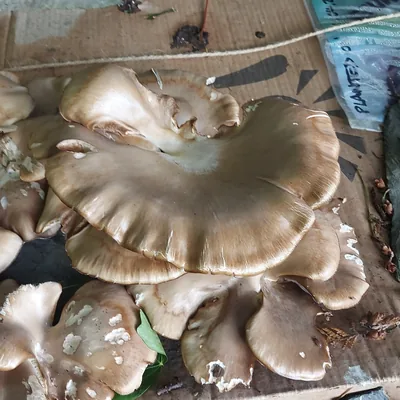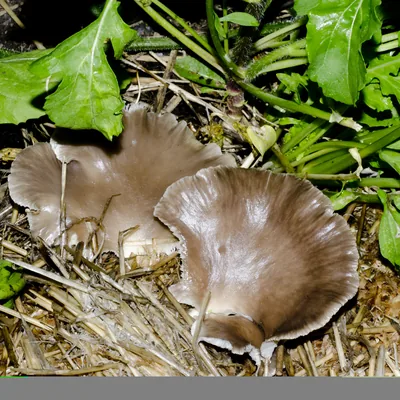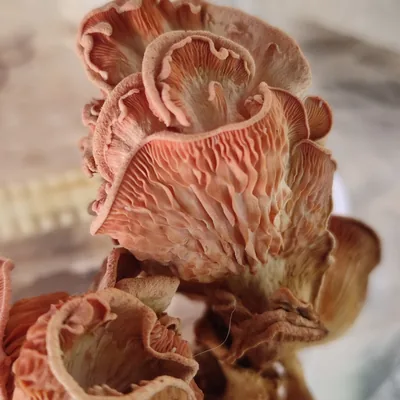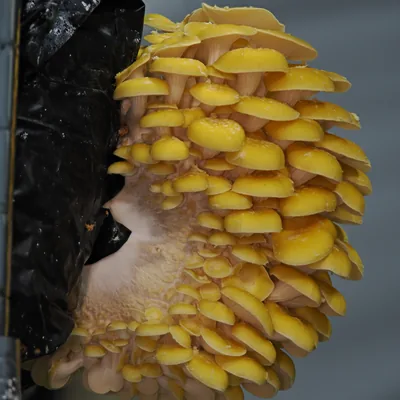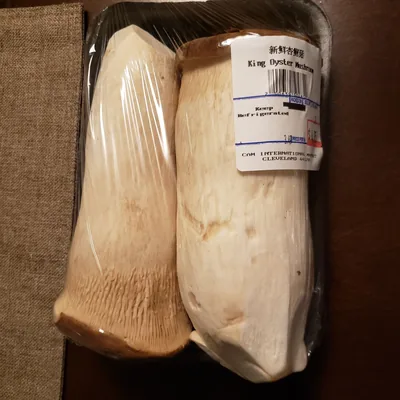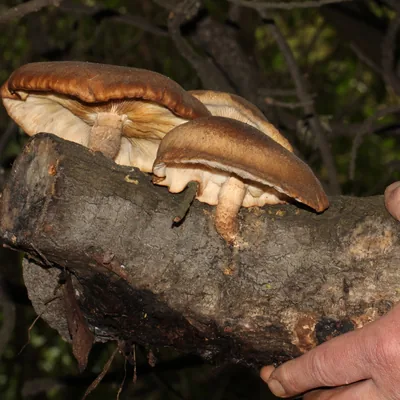
Edible. Eat it cooked. Never eat a wild mushroom identified only from photos.
- Season in Mexico
- HabitatPlant debris and compost
- GrowingHard
- FamilyPluteaceae
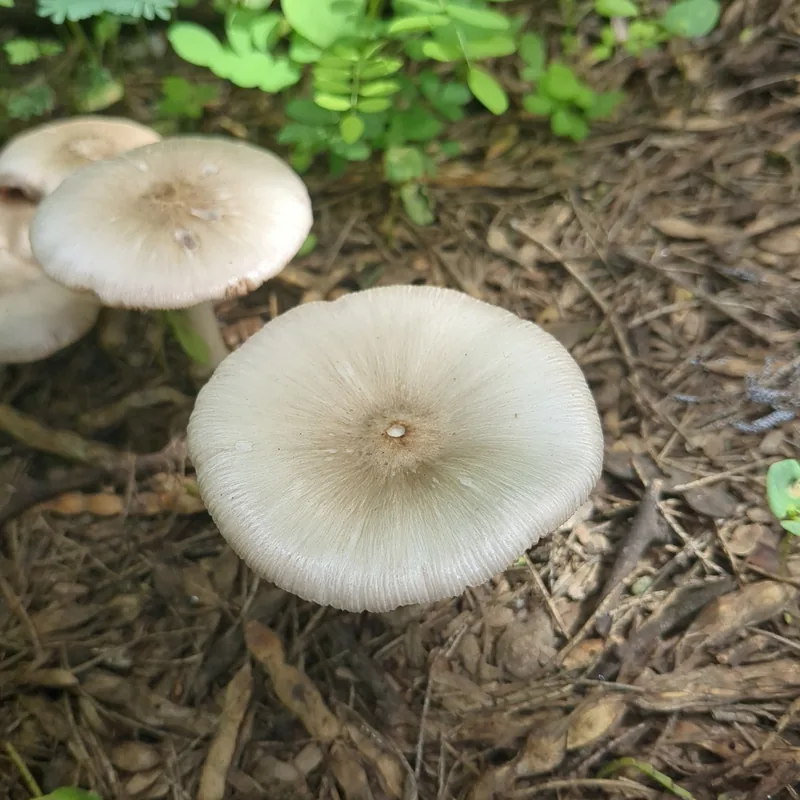
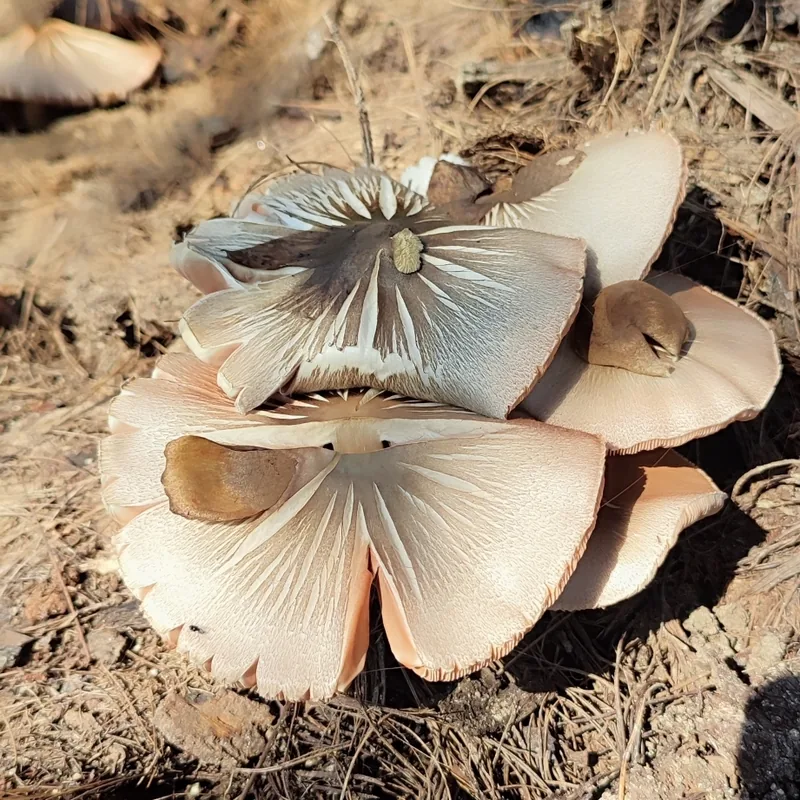
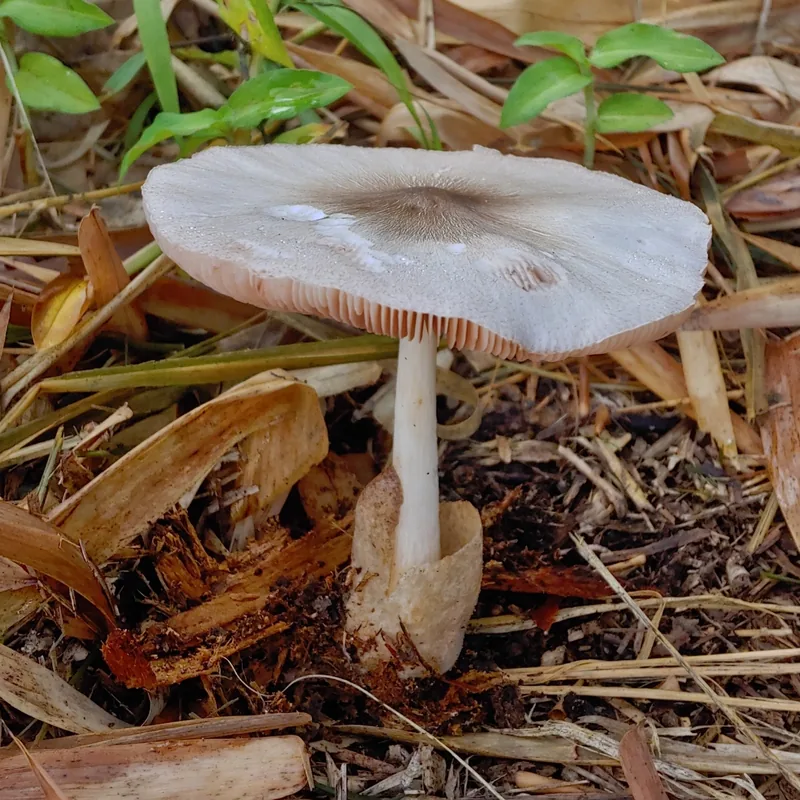
How do you identify Paddy straw mushroom?
- Cap
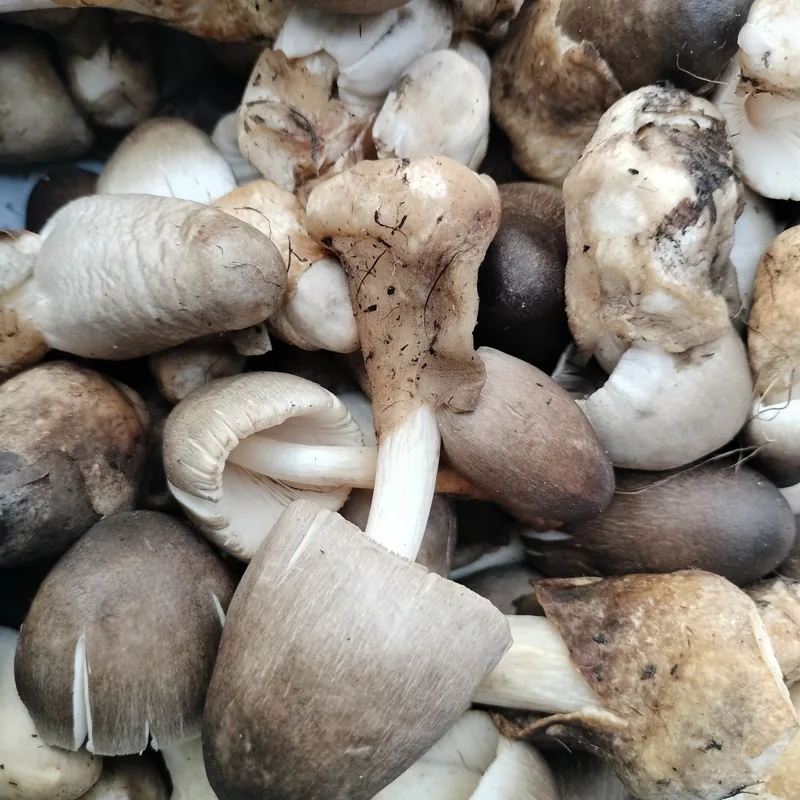
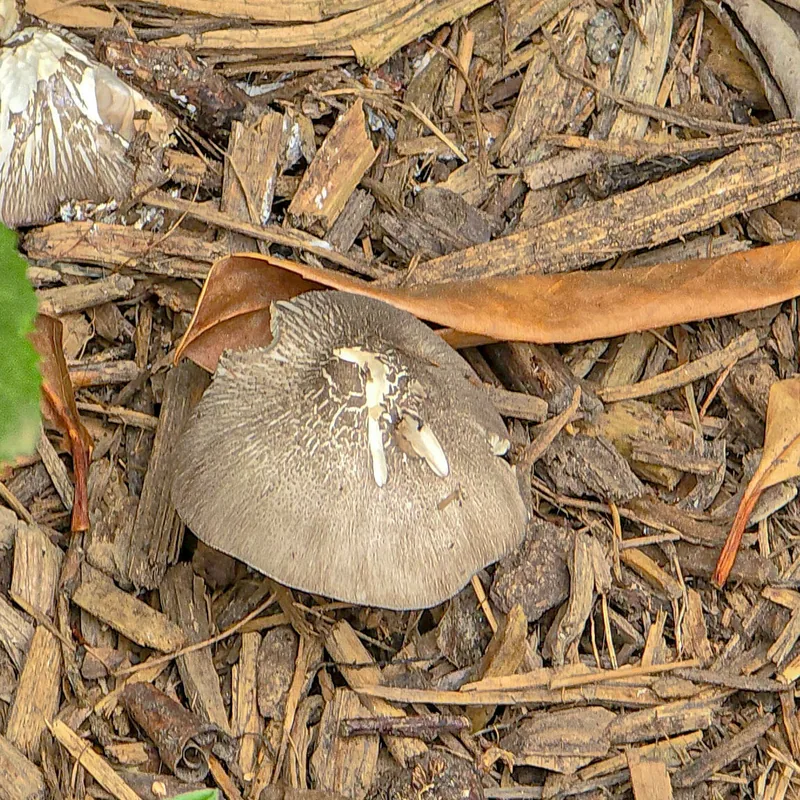
- 5–12 cm; gray to grayish brown, dry, with radiating silky fibers. Initially conical; later convex or bell-shaped.[1]
- Gills
- Free from the stem; initially white, then pink and finally brownish pink.[1]
- Stem
- 6–12 cm long and 1–1.5 cm thick; whitish or brown, silky.[1]
- Volva
- Thick basal sack, brownish gray to nearly black above and whitish below.[1]
- Flesh
- White; retains its color when sliced.[1]
- Spore print
- Brownish pink.[1]
- Young commercial form
- Cultivated specimens are usually harvested at the egg stage: the universal veil encloses the cap and stem.[13]
- Variation in cultivated specimens
- Studied strains produce whitish fruiting bodies, whitish bodies with a grayish spot, or brownish bodies.[15]
Can you eat Paddy straw mushroom?
It is edible. If you collect wild specimens, have an experienced mycologist confirm their identity before you eat them. Young specimens can resemble deadly amanitas.[2][7][11]
How do you grow Paddy straw mushroom?
Temperature
Colonization30–35 °C
Fruiting28–32 °C
Humidity
Colonization0–90 %
Fruiting0–88 %
Full cycle: 18 days
- Light
- Indirect
Substrates
Log your batches, temperatures and harvests. The free plan needs no card.
How do you cook Paddy straw mushroom?
It is cooked in soups, curries, and stir-fries, including tom yam and the vegetable stir-fry phat phak ruam.[9][10]
Where and when does Paddy straw mushroom grow?
It decomposes wood and plant debris. It occurs in woodchips, compost, gardens, and greenhouses. Records also come from montane cloud forest in San Sebastián del Oeste, Jalisco.[2][12]
It can fruit year-round depending on climate; outdoor North American records usually occur in summer.[1]
It has a worldwide tropical and subtropical distribution. Mexican records include Jalisco.[12][14]
About the name
Recent classification places Volvariella in Volvariellaceae. Earlier sources include it in Pluteaceae.[1][8]