Skip to content
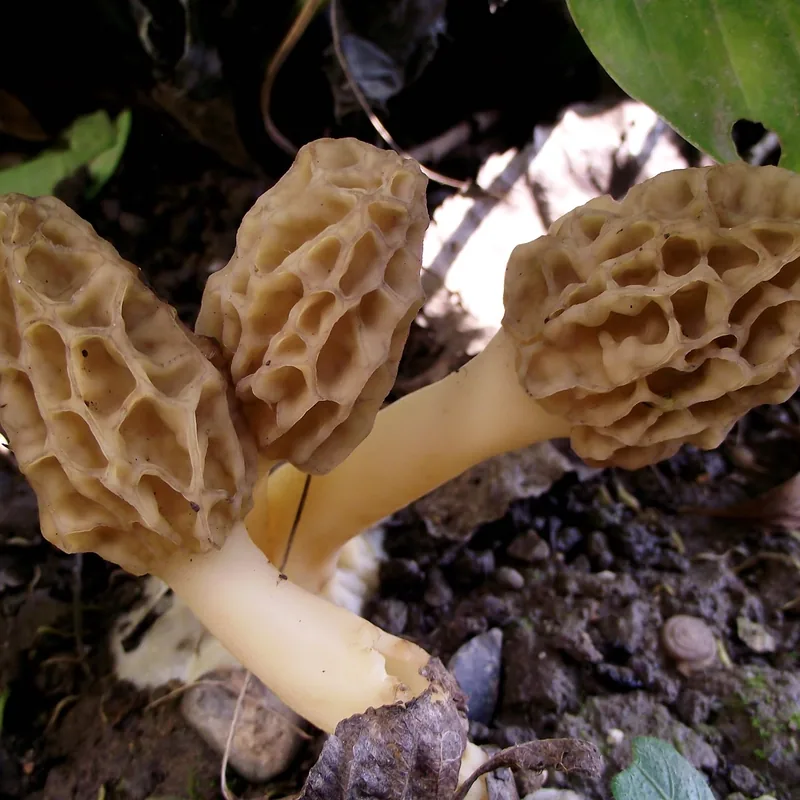
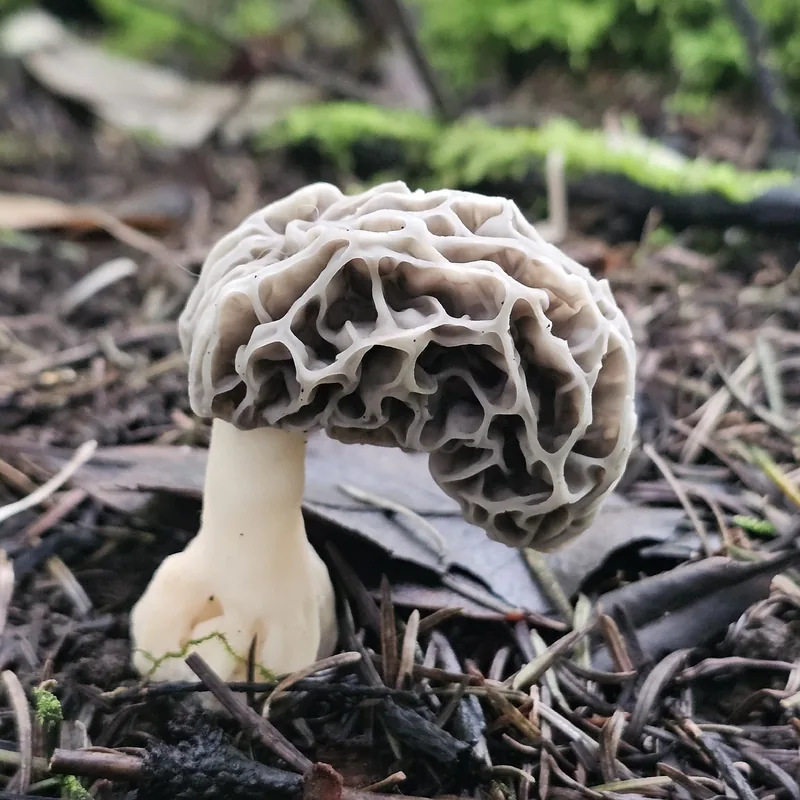
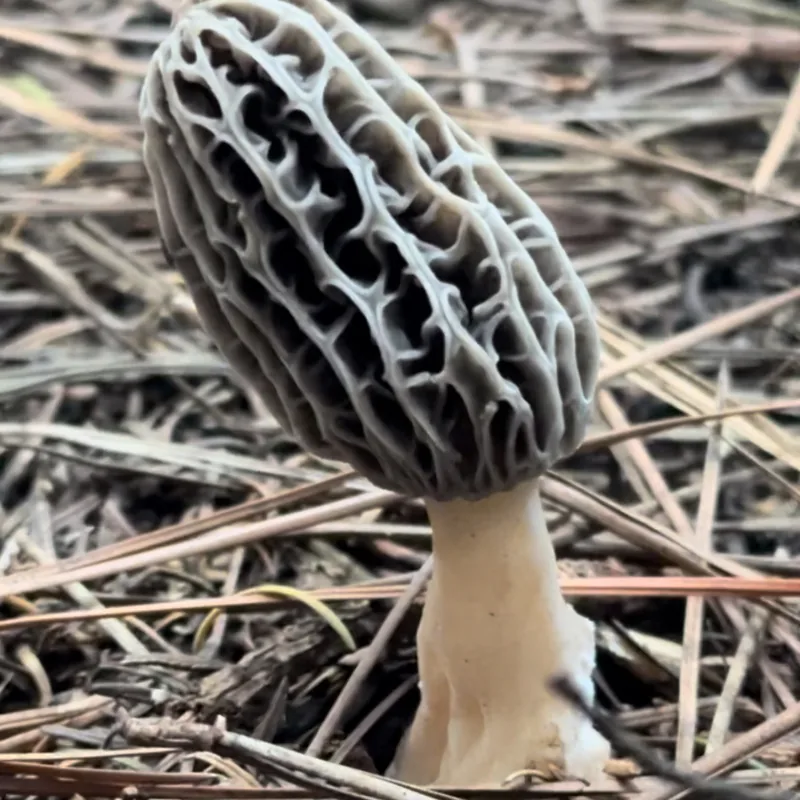
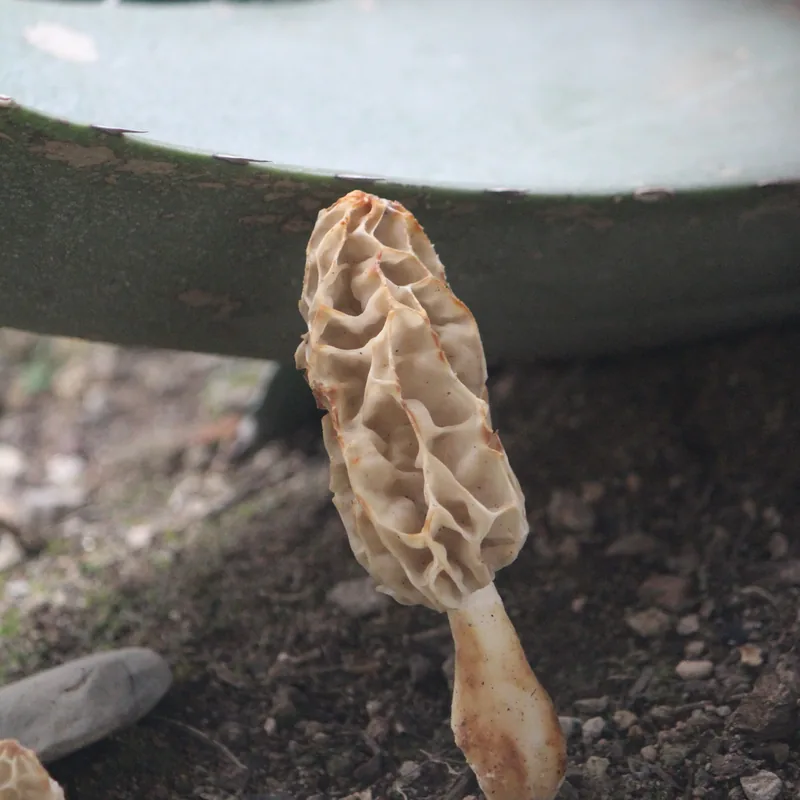
Morel (Morchella), photo
Photo
Wild in Mexico

MorelMorchella

True morel · Morilla · Elotitos · Choretuwi · Kjo iotho

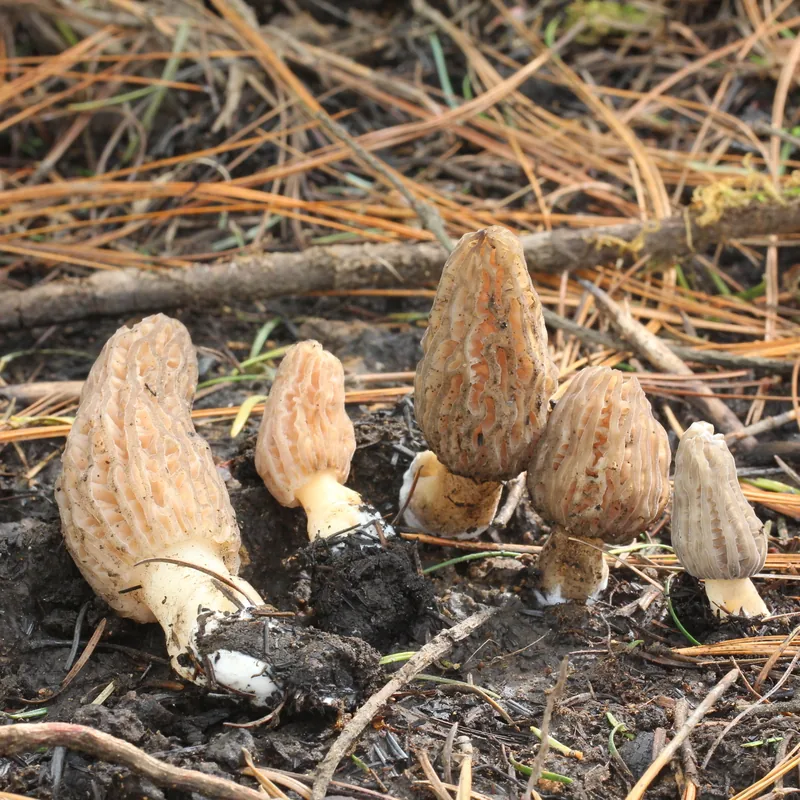
Morchella is a genus of mushrooms with pitted, ridged caps that are edible with precautions. In Mexico they grow in forests and in gardens in urban areas. They can be confused with poisonous false morels.[7][13][16]

Edible with caution. Eat it only well cooked and with a sure ID. Never eat a wild mushroom identified only from photos.

  • Season in Mexico
  • HabitatForests and gardens
  • FamilyMorchellaceae

How do you identify Morel?
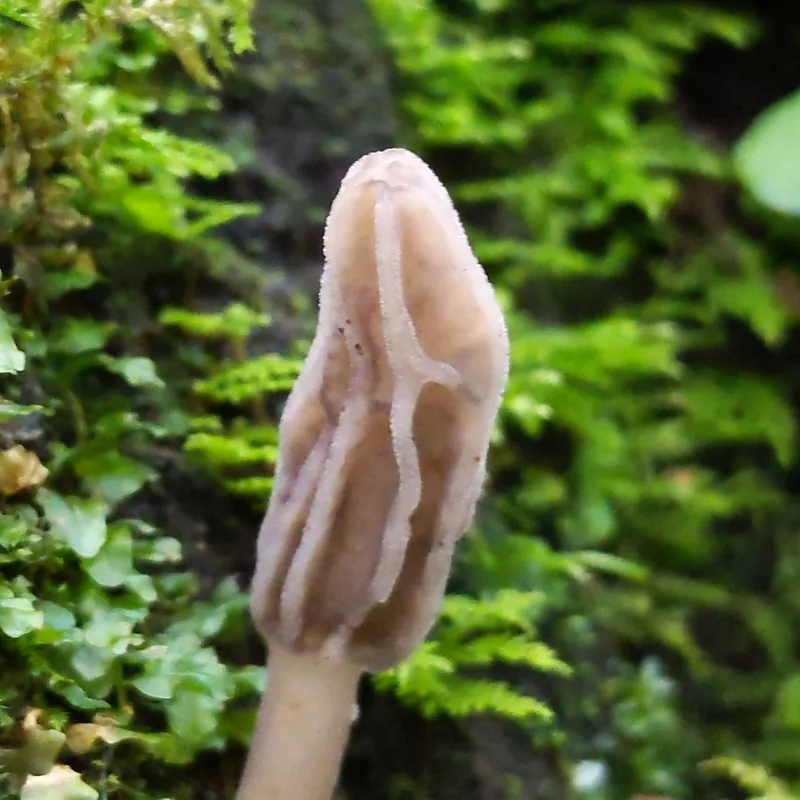
Cap
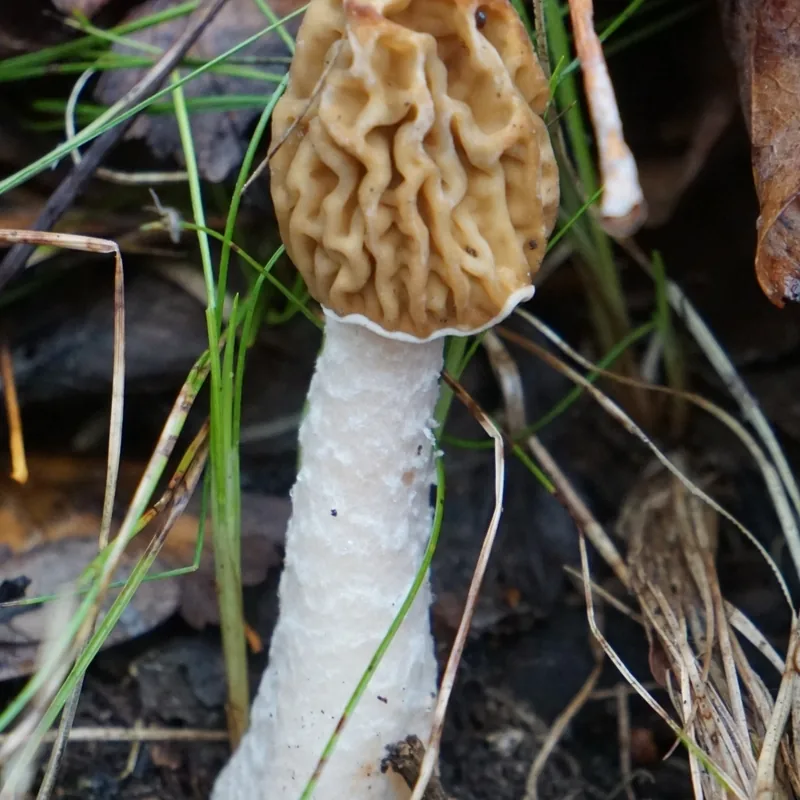
Pits are bounded by ridges; the shape varies between species.[7]
Ridge color
In black morels such as M. angusticeps, mature ridges are dark brown to black.[8]
Fertile surface
In the M. esculenta complex, the fertile surface lines the cap's pits.[2]
Stem
In M. rufobrunnea, the stem is whitish to grayish, yellowish, or brownish.[9]
Interior
The fruiting body is essentially hollow when sliced lengthwise.[7]
Example measurements
The cap of M. rufobrunnea is 6-12 cm tall and 2-5 cm wide. These measurements apply to that species.[9]

What can Morel be confused with?

Morel (Morchella), photoMorel
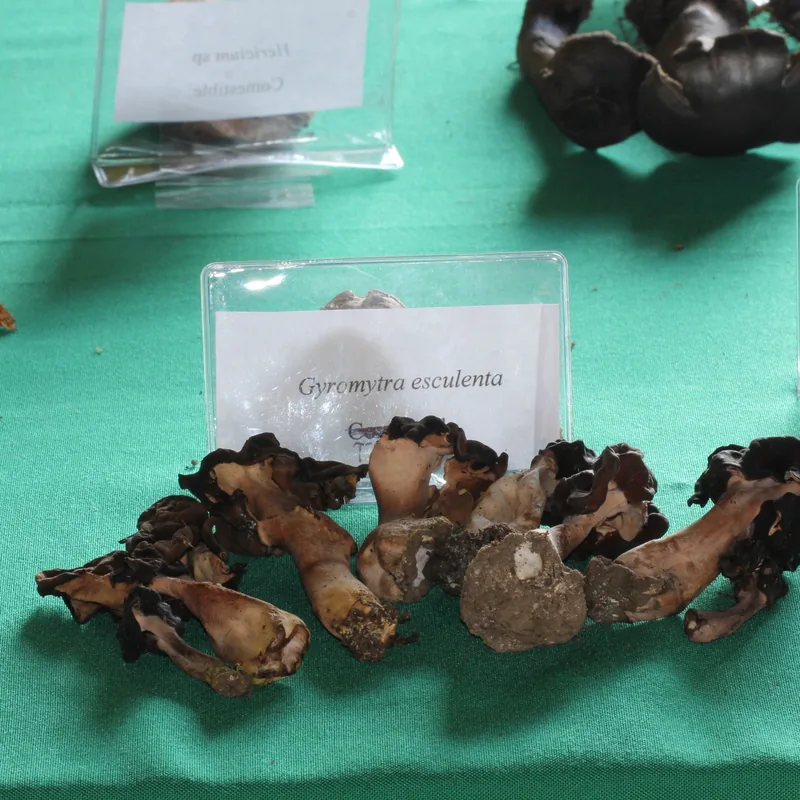
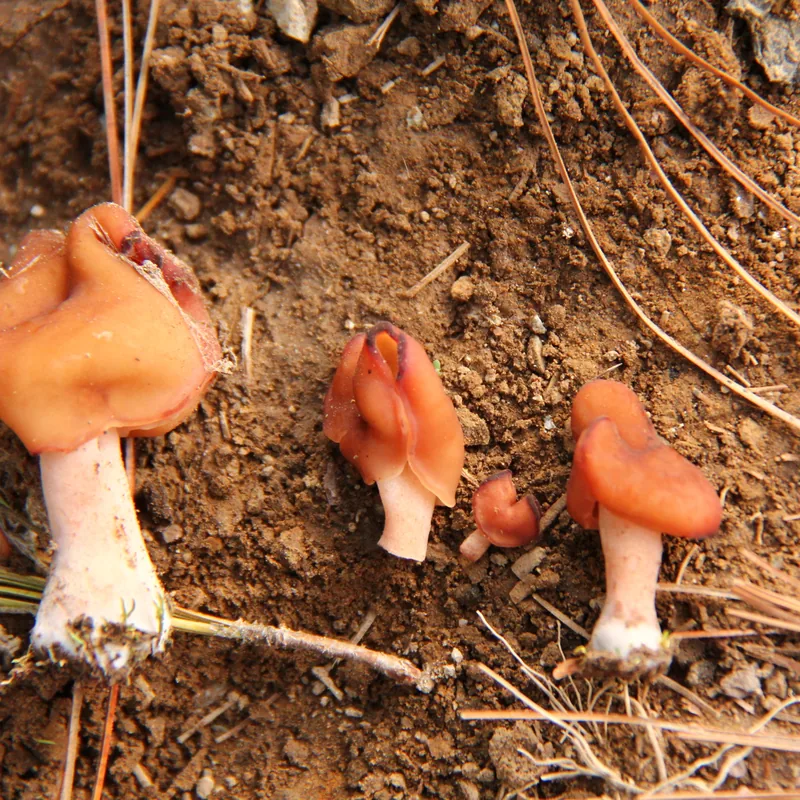
False morel (Gyromitra esculenta), photoGyromitra esculenta
Dangerous

Gyromitra esculenta

Key difference: The cap has brainlike folds.[10][13]

See page
Morel (Morchella), photoMorel
Gyromitra infulaGyromitra infula
Dangerous

Gyromitra infula

Key difference: The cap is saddle-shaped with raised lobes.[11][13]
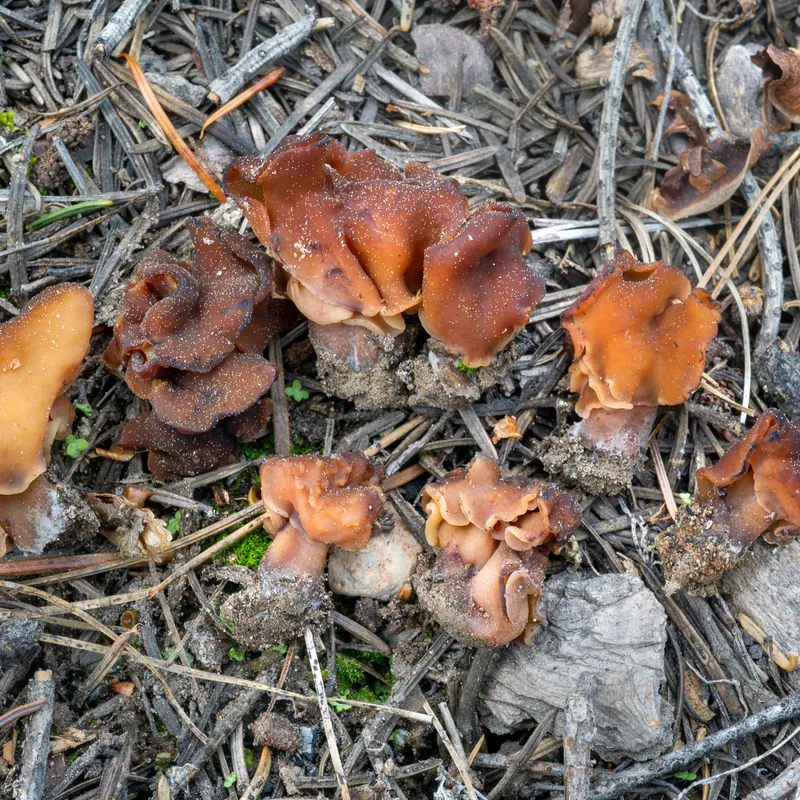
Morel (Morchella), photoMorel
Gyromitra ambiguaGyromitra ambigua
Dangerous

Gyromitra ambigua

Key difference: The lobed cap has stronger violet tones.[11][13]

Morel (Morchella), photoMorel
Verpa bohemicaVerpa bohemica
Dangerous

Verpa bohemica

Key difference: The cap attaches to the stem only at its top.[12][14]

Can you eat Morel?

It is edible with precautions. Eat only specimens identified by an expert, and cook them thoroughly. Never eat them raw or undercooked. Even cooked morels can cause adverse reactions.[14][15][16]

Where and when does Morel grow?

Documented months vary locally. In Ocoyoacac, Estado de México, fruiting is reported from September through January (S3). Jalisco collections include February, July, August, September, October, and December (S4).[3]

This is a partial list of documented Mexican states. The genus is widely distributed, chiefly in temperate regions (S4).[2]

Baja CaliforniaBCSonoraSONChihuahuaCHHCoahuilaCOANuevo LeónNLBaja California SurBCSSinaloaSINDurangoDURZacatecasZACSan Luis PotosíSLPTamaulipasTAMNayaritNAYJaliscoJALAguascalientesAGSGuanajuatoGTOQuerétaroQROHidalgoHGOColimaCOLMichoacánMICEstado de MéxicoMEXCiudad de MéxicoCDMXTlaxcalaTLXVeracruzVERYucatánYUCGuerreroGROMorelosMORPueblaPUETabascoTABCampecheCAMQuintana RooROOOaxacaOAXChiapasCHP
States with records (10/32): Baja California, Jalisco, Aguascalientes, Michoacán, Estado de México, Veracruz, Morelos, Puebla, Oaxaca, Chiapas

See the mushroom map

Names in Mexico

About the name

Mexican records include M. guatemalensis and M. rufobrunnea, and the M. angusticeps, M. costata, M. elata, and M. esculenta complexes. M. tridentina has also been recorded. M. conica and M. esculenta var. umbrina appear in Mexican literature. Molecular studies are needed to confirm which species are inside these complexes (S4).[2][5][7]
Fun facts

  • In Estado de México, morels are preserved by stringing them into necklaces and drying them in the sun.[2]
  • Gastón Guzmán and Fidel Tapia described M. rufobrunnea from Veracruz material; its name refers to its reddish bruising.[9]

Frequently asked questions

Sources

  1. Morillas o colmenillas (Morchella)
  2. Hongos de México: complejo Morchella esculenta
  3. Hongos de México: complejo Morchella elata
  4. El género Morchella (Pezizales, Ascomycota) en Jalisco, México
  5. Registro de Morchella tridentina en un bosque de Abies religiosa en México y cultivo in vitro de su micelio con obtención de esclerocios
  6. Etnomicología y venta de hongos comestibles silvestres en el tianguis de San Antonio Acahualco, Estado de México
  7. The Morchellaceae: True Morels and Verpas
  8. Morchella angusticeps
  9. Morchella rufobrunnea
  10. Gyromitra esculenta
  11. Gyromitra infula
  12. Verpa bohemica
  13. Mushroom Poisoning Syndromes
  14. The Mycophile, July–August 2017
  15. Outbreak Linked to Morel Mushroom Exposure — Montana, 2023
  16. Wild Mushroom Safety: Identification, Cooking, and Poison Awareness

Written with AI help from the cited sources. A second model checked every fact against those sources and removed what they did not support.

Image credits

Photos are under free licenses (CC0, CC BY or CC BY-SA).

Related mushrooms